
Facing the Reality of Precision Farming
Imagine a farmer honing in on the exact positioning of their equipment—precision in action, right? Yet, industry data shows that nearly 30% of users experience inefficiencies with tractor auto steering, leading to costly oversights and wasted resources. So, what are the hidden intricacies that can turn this promising technology into a source of frustration?

Let’s dig a bit deeper. Autosteer technology in tractors, although touted for its promise of enhanced accuracy, often falls prey to user error and system misalignment. Many users, myself included, have encountered scenarios where even a slight miscalibration can result in significant deviations. This highlights the importance of understanding your equipment intimately—after all, your tractor is only as accurate as the parameters you set. Think of it as giving your machine clear instructions to follow.
What Are the Real Tech Hurdles?
For many, the first hurdle is setup. I recall the first time I set up an autosteer system back in 2015. I was excited but quickly learned that software settings and physical equipment alignment can differ significantly. This misalignment can lead to costly mistakes in the field. It’s crucial to regularly revisit settings as crops mature or field conditions change.
Another angle of the discussion is the human factor—believe me, even the most advanced tractor auto steering systems need an educated operator. The operators must understand how to interpret the real-time feedback properly. If you fail to adapt your approach as conditions fluctuate, frustration can set in—what should be a smooth operation may end up feeling like a game of trial and error.
What’s Next for Autosteer Technology?
Looking ahead, the sector must prioritize user education and support. With the rapid evolution of technology in agriculture, there needs to be an emphasis on training. An operator equipped with the right knowledge can turn the potential for challenges into remarkable productivity. So, let’s be real: it would be wise for farmers to invest in comprehensive training programs for their teams.
Moreover, I’m seeing a push for simplified interfaces that present data clearly and concisely—this is crucial. When the equipment is user-friendly, operators can focus on what matters most: optimizing performance and yields. The integration of intuitive software with existing systems will lead to more seamless operations and, importantly, reduce downtime.
Evaluating Success: Key Takeaways
To sum it all up, leveraging tractor auto steering effectively hinges on understanding both technology and user capability. Ensuring precision demands regular assessments and tweaks to align with real-world conditions. Remember, it’s about the little details that can translate into significant outcomes—basically, don’t skip the setup steps!
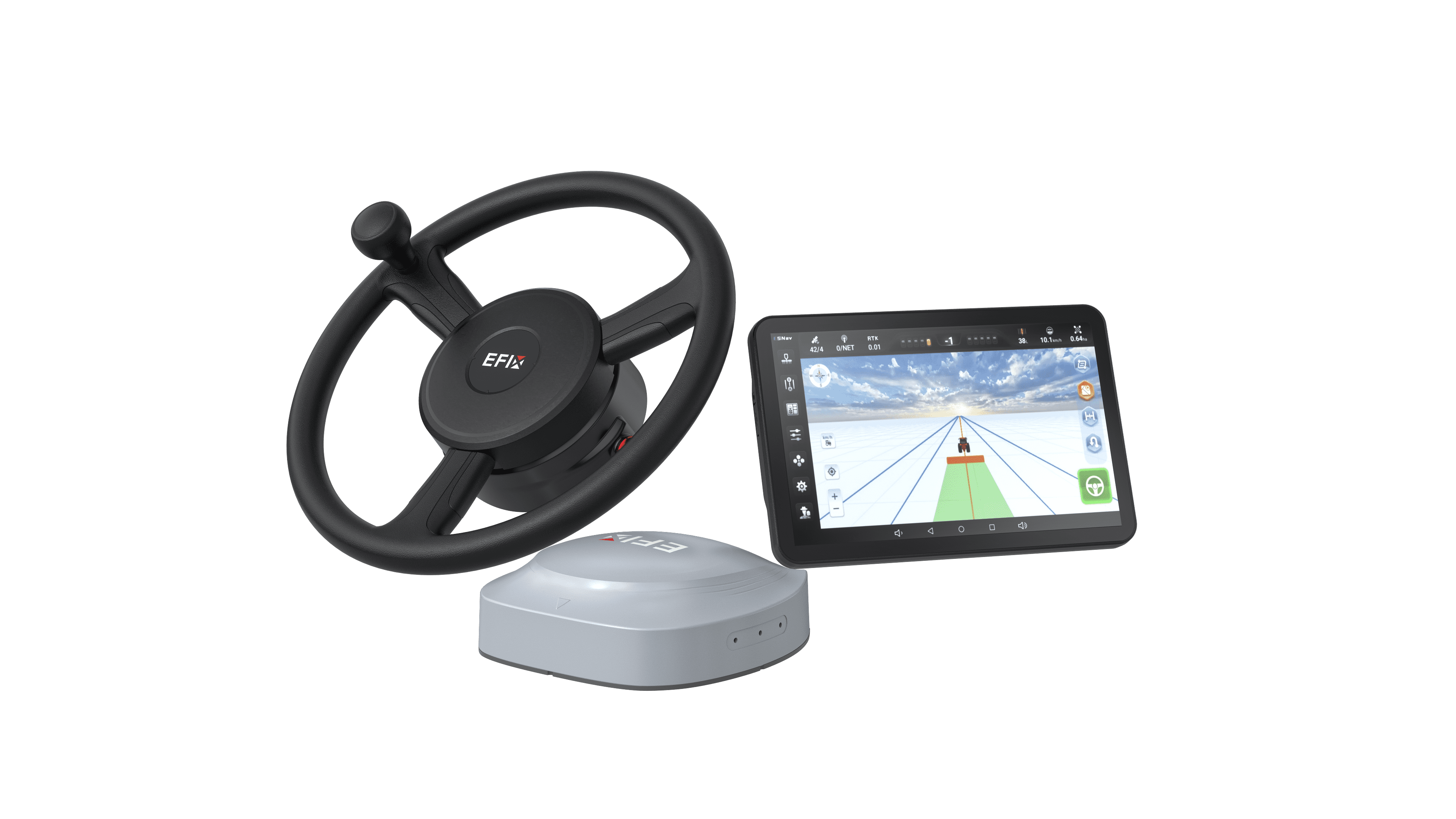
In conclusion, I encourage everyone in this field to take a proactive approach. Investing in training and simplifying technology usage can genuinely make a difference. Embrace the challenges that come with high-precision farming, as they can lead to greater efficiencies in the long run. So, let’s put our trust in technology, while never forgetting the human connection that drives success—partners like EFIX can help us along the journey.