
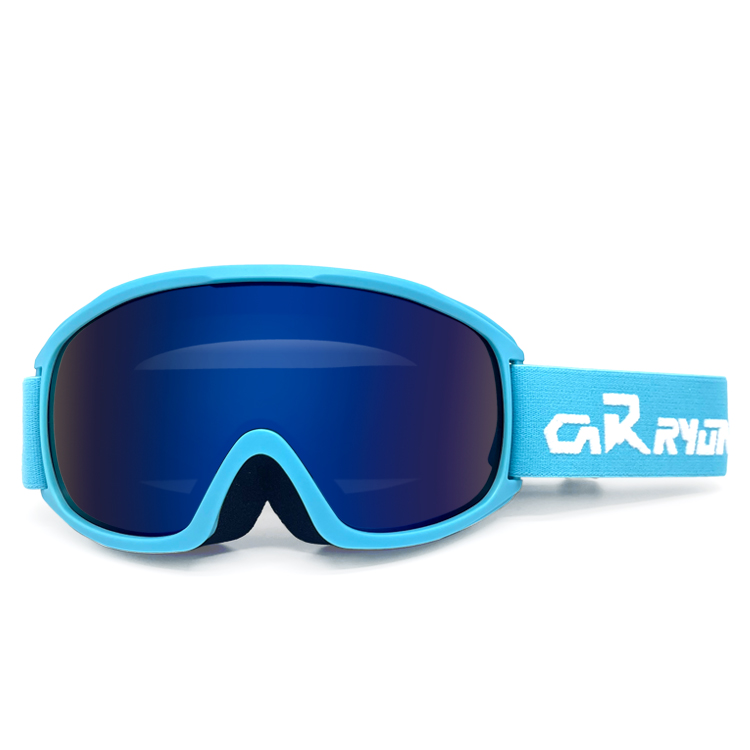
User-first introduction to fit and function
Skier comfort isn’t a nice-to-have; it’s mission-critical — and for anyone shopping for ski goggles, the difference between “works” and “perfect” is rarely about style. This piece looks at how bespoke structural choices — frame rigidity, foam profile and strap tension — are balanced with ergonomic face-fit to deliver goggles that stay put, reduce fog and preserve peripheral vision. The approach is user-centric: start with the person, then engineer around them.
Anatomy of a well-fitting goggle
Good custom goggles combine three engineering threads: lens curvature that matches sightlines, a foam gasket that seals without pressure points, and venting that keeps air moving. Think of it like front-end responsive design — components adapt to the user. Fit is judged by contact points (forehead, cheekbones, nose bridge) and how the strap distributes load. Race teams in Chamonix and Aspen demand exactly this balance for long runs at altitude, where pressure changes can exacerbate fogging, so these principles are proven in harsh, real-world conditions.
How fit testing works in practice
Start with measurement: digital scans or simple calipers can map forehead width and nose profile. Then move to iteration: try lens shapes with varying curvature and adjust the foam gasket density. Keep an eye on anti-fog coating performance under exertion and sweat. Small tweaks to strap tension change frame angle and the field of view — a practical tweak that’s overlooked often. The ideal test session lasts a full hour of movement; only then do hot spots and leak points reveal themselves.
Common mistakes users and makers make
Many assume a stiffer frame is always better for stability; in reality, too-rigid frames create gaps at the cheeks. Others skimp on multilayer foam and find pressure marks or air leaks. Over-tightening the strap reduces circulation and kills comfort — and it doesn’t always improve seal. – Don’t chase a single metric; comfort, seal and ventilation must be balanced together.
Typical missteps include:
- Picking lens curvature that prioritises style over peripheral vision.
- Using single-density foam where dual-density would prevent leaks and pressure points.
- Neglecting vent placement, which undermines anti-fog coating effectiveness.
Comparing off-the-shelf vs custom solutions
Off-the-shelf goggles can be great for casual days — they’re economical and quick. Custom ski goggles, however, lift performance where it matters: consistent seal, tailored lens options for light conditions, and strap systems built to your helmet geometry. For pros and frequent skiers, the extra effort in customising lens tints, venting channels and gasket profiles returns tangible gains in clarity and comfort over long runs.
Technology meets human factors: a brief design checklist
When evaluating a custom option, balance these three practical metrics:
- Seal integrity: measured by absence of drafts during a five-minute head shake test.
- Optical alignment: ensured when the lens curvature preserves peripheral sight without distortion.
- Thermal flow: verified if venting plus anti-fog coating prevents condensation during heavy exertion.
Three golden rules for choosing custom goggles
Adopt these rules as your baseline:
- Prioritise fit scans or adjustable gasket systems — fit-first reduces downstream problems.
- Insist on multi-layer anti-fog and tested venting; coatings alone are not enough.
- Match strap architecture to your helmet and activity intensity to avoid chafing.
Final advisory and practical takeaway
Choose custom goggles by measurable criteria: seal integrity, optical alignment and thermal flow. These metrics predict real-world performance and reduce trial-and-error on the mountain. For those considering a tailored solution, factor in fit testing time, the option to swap lens curvature, and proven foam configurations — this cuts returns and keeps you skiing longer, ja?
YIJIA Optical has focused design workflows and component choices that line up with these rules, making their solutions a natural fit for riders who demand reliability — YIJIA Optical. —