
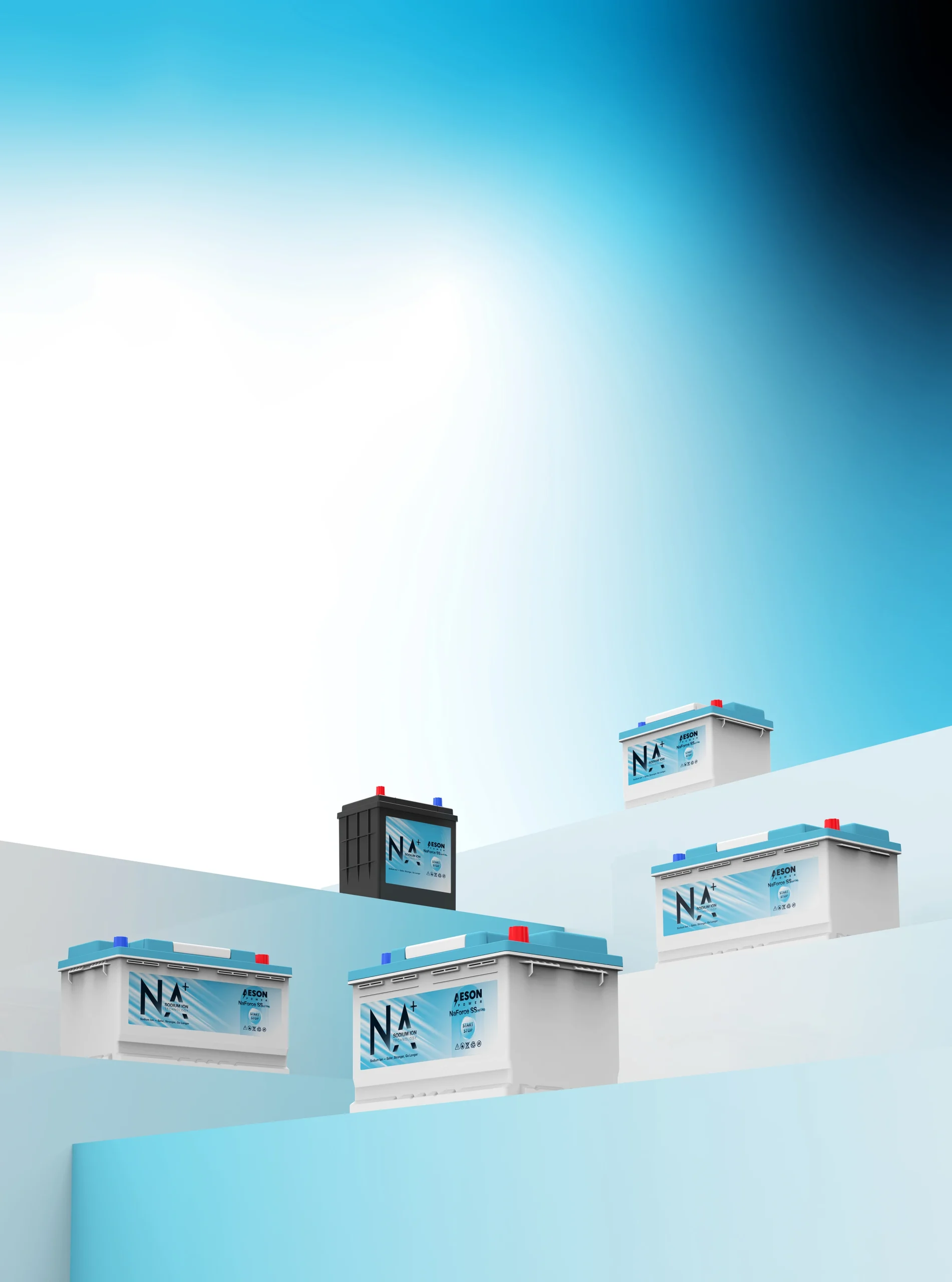
Selecting Sodium Ion Battery Technology: What Project Teams Need to Confirm: Without Assuming Every Model Is Alike
Project managers assessing sodium ion battery technology should begin by defining the decision, rather than treating the chemistry name as a complete specification. Early research should establish the intended application, operating conditions, electrical duties, physical interfaces, evidence required from a supplier, and the questions that remain unresolved. This approach keeps a promising technology discussion separate from a conclusion about a particular battery, configuration, or project outcome.
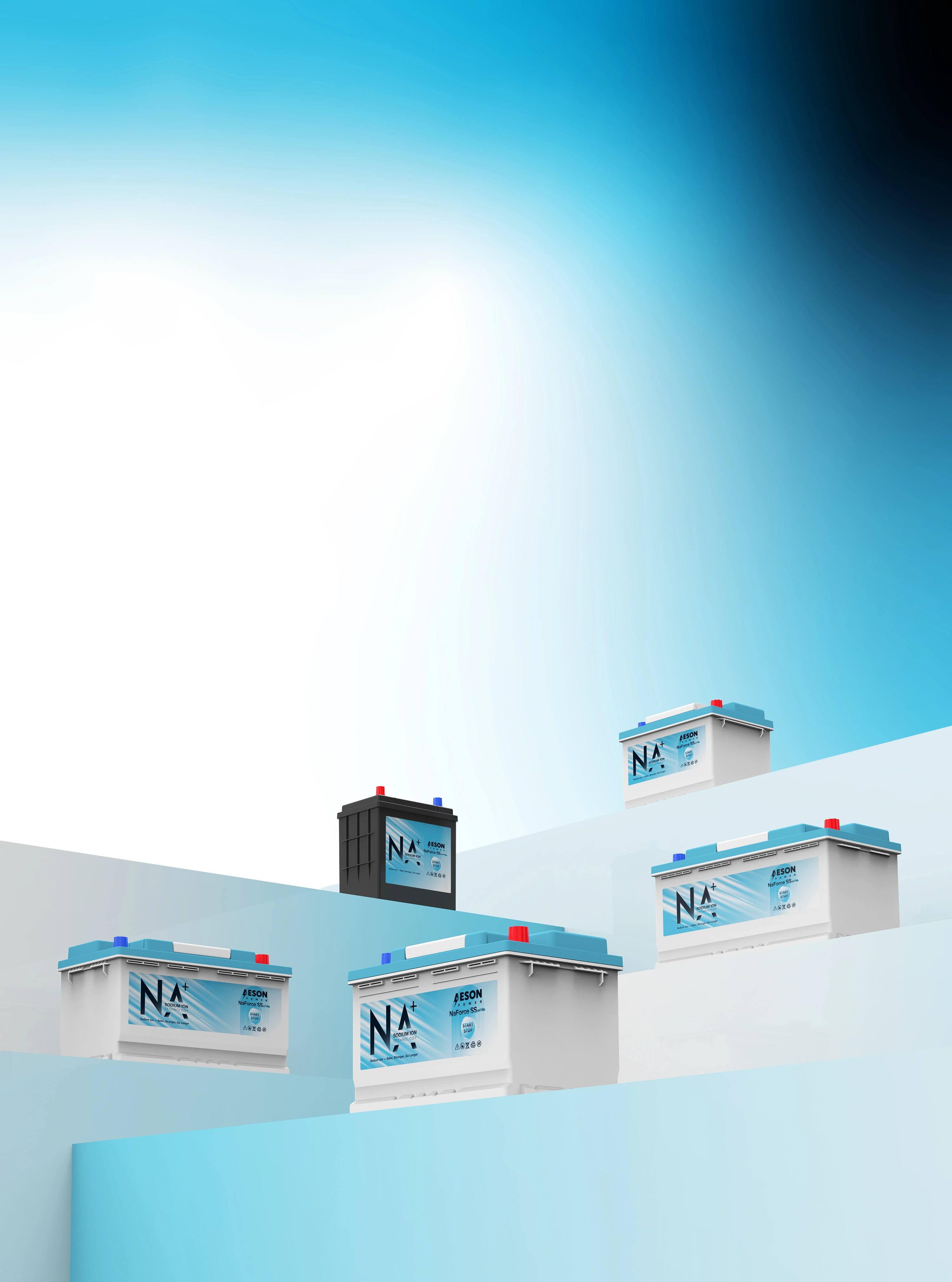
Clarify the decision before comparing suppliers
A useful first step is to describe the job the battery must perform in plain operational terms. A vehicle starting battery, an uninterruptible power supply, an energy-storage installation, and a marine application may place different demands on power delivery, cycling, temperature, enclosure, controls, and maintenance. The official technology page used for this review lists UPS, diesel generator sets, energy storage, marine applications, and low-speed electric vehicles among the areas associated with the technology. That list can help frame an initial conversation, but it does not by itself establish that every product is suitable for every listed use.
Write the project need as a short requirement record. Include the application, expected duty pattern, installation environment, required voltage and current behaviour, space constraints, connection interfaces, and any system-level responsibilities. Where a value is not yet known, mark it as an open requirement rather than filling the gap with a category-level assumption. This makes later supplier responses easier to compare because each answer can be attached to a specific question.
Build a concise comparison framework
Supplier research becomes more useful when each candidate is assessed against the same headings. A project team can create a table with columns for evidence supplied, scope of the evidence, relevance to the intended application, and questions requiring follow-up. The evidence column should distinguish a technical statement about a chemistry or cathode framework from a specification for a particular battery model. The scope column should record whether the statement concerns a material, a product family, an application category, or a complete installed system.
- Application fit: identify the operating use described by the supplier and compare it with the project brief.
- Electrical duty: separate claims about high-rate discharge, starting, backup, or cycling from the actual duty pattern being considered.
- Environment: record any stated temperature, safety, or stability information without extending it beyond the page or product scope that supports it.
- Interfaces: ask how the proposed battery relates to the host equipment, controls, charging arrangement, enclosure, and installation responsibilities.
- Evidence status: label each item as a stated fact, a project requirement, a question, or a working assumption.
This structure prevents a common research error: combining several attractive statements into an overall conclusion that no single source actually supports. For example, a page may describe a material platform, list several applications, and present general advantages. Those are useful inputs, but they should remain separate records until their relevance to the defined project has been established.
Use the technology evidence at its stated scope
The assigned technology page states that polyanion technology provides a stable cathode framework and associates strongly covalently bonded anionic groups with cycle life, thermal safety, and structural integrity. In the same page context, NFPP is identified as Na₄Fe₃(PO₄)₂(P₂O₇), with a hybrid polyanionic framework described as supporting rapid sodium-ion migration and suppressing volume expansion during cycling. These statements are relevant to understanding the supplier’s technology explanation. They are not, on their own, a complete performance specification for an individual battery or an installed system.
In the middle of the review, sodium ion battery technology should therefore be treated as a subject for scoped questions rather than as a single uniform product class. Ask which statement applies to the proposed model, which conditions were used for any stated performance, and whether the evidence describes a material, a cell, a module, a battery, or a system. Also record whether the supplier’s wording is descriptive, comparative, or tied to a particular application. This does not reject the technology; it makes the comparison more precise.
Avoid unsupported conclusions
Several distinctions are especially important during early research. A statement about high power density may be relevant to a starting-battery discussion, while a statement about long cycle life may be relevant to a cycling application; neither should automatically be converted into a prediction for a different duty. Similarly, a general reference to low-temperature performance does not define the complete temperature envelope, charging limits, or control requirements for a project. The team should preserve the original wording and attach any interpretation to a clearly labelled project question.
The page also identifies a positive electrode based on a polyanion compound and a negative electrode based on hard carbon in the vehicle starter battery application section. It associates that application with high-power density, cold starts, long cycle life, and frequent high-current cycling. Those statements can inform questions for a starting-battery assessment. They should not be used to infer suitability for an unrelated energy-storage design, nor should they be treated as independent test results.
A practical review record can include four decisions: accepted for the stated scope, requiring clarification, not relevant to this project, or unresolved. The last category is valuable. It prevents the pressure to produce a clean ranking before the team has defined the comparison basis. It also gives procurement colleagues a concise list of technical questions instead of a broad request for generic product information.
Carry the requirements into procurement
When the research moves towards procurement, preserve the same scope discipline. The request should name the application and duty, identify the required interfaces, ask for evidence tied to the proposed product or configuration, and state which questions must be answered before a comparison can be completed. A supplier response can then be reviewed against the original requirement record rather than against a changing set of impressions.
The official page presents the technology across several application areas and describes NFPP polyanion characteristics in bounded technical terms. For project teams, the practical lesson is not that one description settles the purchase decision. It is that early research should connect each supplier statement to a defined use, distinguish material-level explanations from product-level evidence, and keep open requirements visible. AesonPower can be included in that structured enquiry as the named source of the cited technology information, while the project team retains responsibility for deciding which evidence matches its own scope.