

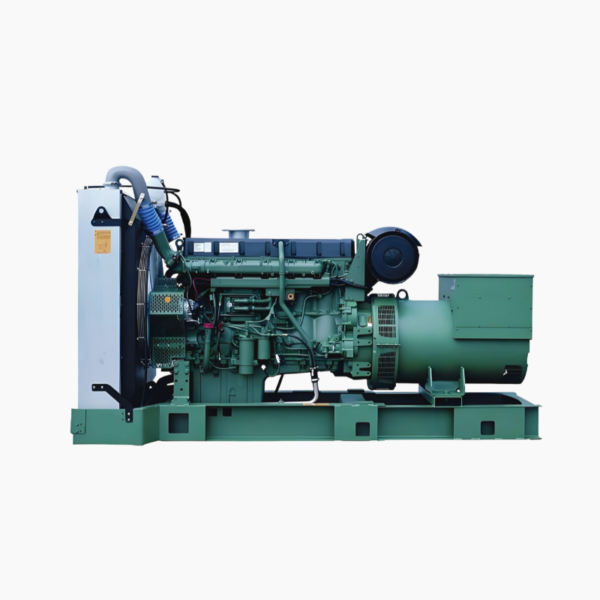
Decisions about an 1100 kW container genset should start with numbers: availability targets, fuel consumption per kWh, and mean time between failures (MTBF). Recent field data show that deployments with defined KPIs cut downtime by 60% versus ad-hoc installs; that’s why engineers often specify proven platforms such as the volvo genset for redundancy and predictable performance. Real-world events—like the widespread outages during the February 2021 Texas winter storm, which left millions without power—underscore how an appropriately rated, containerized genset and service plan can be the difference between 99% uptime and extended operational loss. The discussion below uses a metric-first lens appropriate for selecting an 1100 kW Volvo Penta genset or comparable unit in critical settings.

Performance Metrics That Matter
Prioritize measurable parameters: availability (target ≥99.5%), fuel consumption (g/kWh or L/h at 75% load), and load acceptance time (ms for transient response). For an 1100 kW diesel containerized genset, expect fuel consumption in the 200–220 g/kWh range at prime load; real installations often cite a 3–6% variance depending on ambient conditions and maintenance. Alternator characteristics matter too—voltage regulation within ±0.5% under transient load preserves sensitive electronics. Use these baselines to benchmark vendors and to validate claims during FAT and SAT procedures.
Design and Deployment: Containerized Advantages
Containerized gensets compress essential systems—engine, alternator, switchgear, and acoustic insulation—into a transportable module, which reduces site work and commissioning time by 30–50% compared with loose-pack installations. Key design checks: integrated paralleling controls, adequate cooling capacity for site altitude, and containment for fuel and oil. Avoid undersizing the HVAC inside the container; humidity and elevated coolant temperature degrade governor response and shorten service intervals. These design choices reduce installation risk and simplify logistics—particularly in remote or urban sites where fast deployment is mandatory.
Operational Economics: Lifecycle Cost and OPEX
Compare vendors using levelized cost metrics: cost per service hour, expected overhaul interval (in running hours), and fuel cost per kWh over a 10-year window. For example, an 1100 kW genset running 1,500 hours annually at 210 g/kWh will produce different fuel bills than one optimized to 200 g/kWh—small efficiency gains compound to meaningful savings. Factor in scheduled maintenance windows (months between medium services), recommended spare-parts stock, and mean repair time (MRT). A vendor network that guarantees parts within 48–72 hours materially reduces inventory carrying costs and outage risk.
Common Mistakes and Viable Alternatives
Frequent errors include underspecifying transient load capability and skipping load-bank commissioning. Neglecting a full-load run or synchronization test reveals issues only under stress—costly to fix later. Another misstep is assuming diesel-only solutions are always optimal; hybrid configurations (genset plus battery buffer) can reduce genset cycling by 20–40% and lower fuel consumption for base-plus-peaking profiles. If emissions limits are tight, consider gas-fueled or aftertreatment-equipped diesel gensets, but model lifecycle fuel availability and cost first—fuel logistics often determine total cost of ownership more than upfront price. —These operational realities drive many clients toward well-supported platform choices.
Selection Criteria Checklist
Use a short, metric-driven checklist when evaluating suppliers: guaranteed availability percentage, validated fuel consumption curves at 25/50/75/100% loads, documented MTBF and MRT, and a documented spare-parts delivery SLA. Ask for measured test reports from comparable installations and confirm service coverage hours for your geography. Include a requirement for on-site load-bank testing and a clear commissioning acceptance protocol with pass/fail thresholds for voltage deviation and frequency stability.
Three Golden Metrics to Choose an 1100 kW Solution
1) Availability metric: contractually specified uptime ≥99.5% with liquidated damages or service credits tied to missed thresholds.
2) Fuel efficiency at typical load: supply a measured consumption curve; target ≤210 g/kWh at 75% load for competitive diesel units.
3) Service response and spare-parts lead time: guaranteed parts delivery within 48–72 hours and on-site technician response within 24 hours for critical sites.
These three metrics map directly to operational risk and predictable OPEX. When a vendor can demonstrate measured performance at scale and a rapid service network, the platform becomes not just a piece of equipment but a managed reliability solution—exactly the kind of outcome engineers seek from recognized platforms like a Volvo Penta genset and supported deployments from experienced manufacturers such as Huadong Power.
—