

Market snapshot and comparative premise
Buyers building private-label lines need a clear comparison framework rather than broad claims. This piece applies a Comparative Insight approach, focusing on unit economics, lead time sensitivity, and quality control for items such as custom yoga pants. Since the 2020 COVID-19 supply shocks and the tightening of freight capacity from Guangdong to global ports, procurement teams have prioritized predictable lead time and verified fabric performance over headline low prices. Core industry terms here include MOQ, fabric GSM, and cut-and-sew, each of which materially affects margins and delivery certainty.
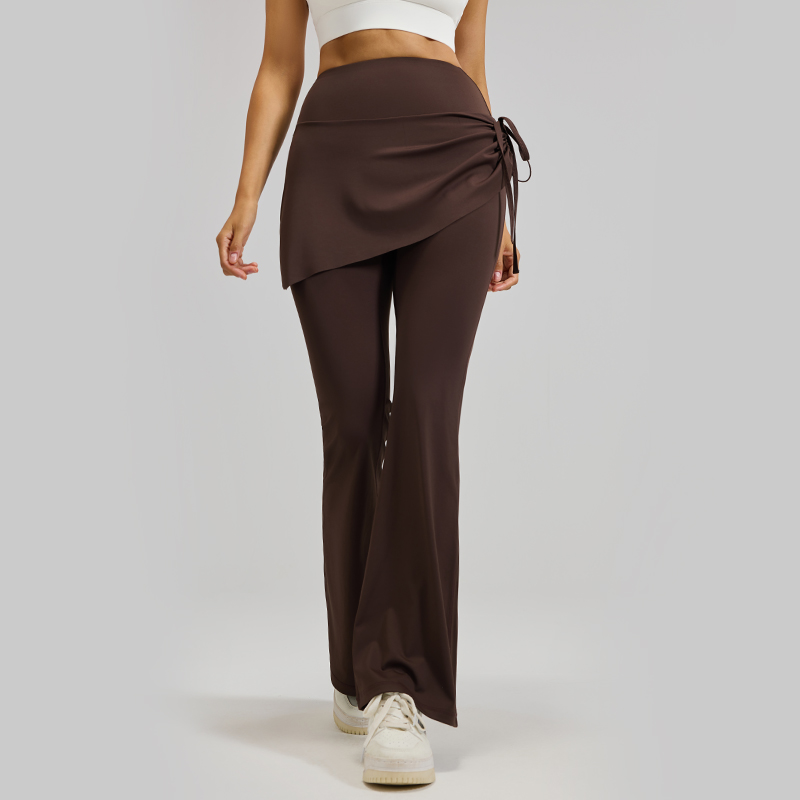
Where suppliers diverge: China, Southeast Asia, and nearshore options
Comparative analysis reduces procurement risk. Key differentiators across geographies are: labor cost, supplier infrastructure, and compliance transparency. Typical patterns:
– China: stronger OEM/ODM capabilities, faster sample iterations, denser supplier networks. Favours complex cut-and-sew and technical finishes such as compression zones and moisture-wicking fabrics. Higher upfront MOQ is common but sample-to-production cycles are short.
– Vietnam/Indonesia: lower labor cost, improving quality control, longer scale ramp-up. Attractive when fabric sourcing can be consolidated to reduce shipping legs.
– Nearshore (Turkey, Mexico): shorter lead time, easier on-site audits, lower inventory risk. Unit cost can be higher, yet inventory carrying and time-to-market improve.
Operational production teardown: stages that shift cost and risk
An operational teardown clarifies where premium buys value. For yoga wear, the sequence is consistent: material sourcing → laboratory dyeing or continuous dyeing → pattern grading and proto samples → cut-and-sew → trimming and quality inspection → packing and shipping. Each stage alters unit economics: fabric GSM choices and finish methods drive raw material spend; cut-and-sew complexity increases labor hours; finishing (e.g., flatlock seams, bonded waistbands) affects throughput. When evaluating yoga pants manufacturers, examine sample histories, rejection rates, and transit times rather than marketing claims. Operational terms to note: lead time, MOQ, and OEM capability.
Cost drivers and margin levers
Breaking down cost reveals levers procurement can use to improve gross margin:
– Fabric: typically the largest single line item; choosing a different knit or lowering GSM reduces cost but may hurt durability. – Labor and complexity: bonded seams or multi-panel compression increases labor minutes and inspection needs. – Trims and labels: small but multiply across large runs. – Freight and duties: volatile—reserve buffer in pricing models.
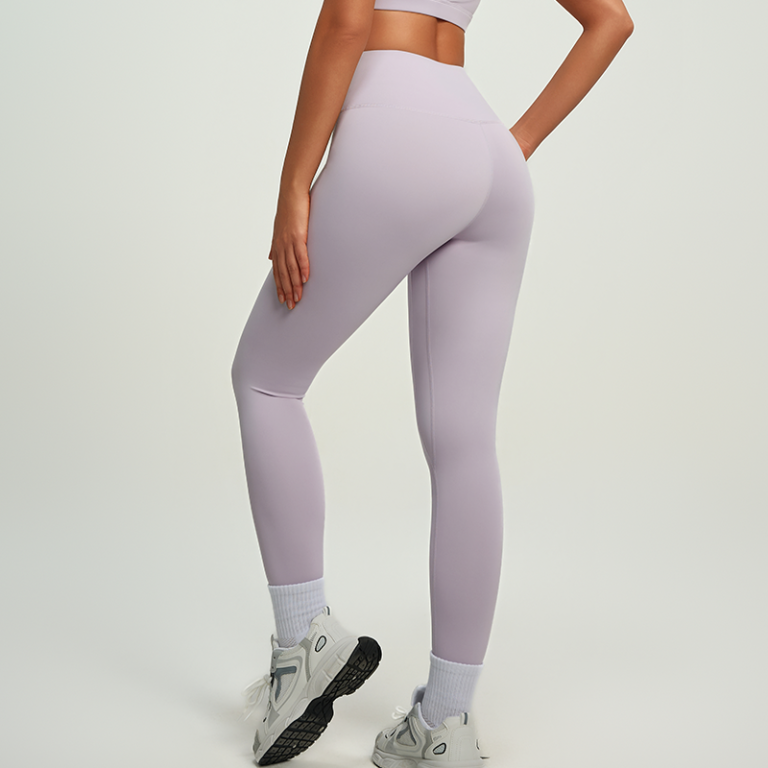
Modeling these components yields a reliable landed cost per unit. Buyers that lock fabric long lead-time buys can stabilize unit cost, but they accept inventory risk.
Common mistakes and credible alternatives
Procurement teams often chase low FOB prices and overlook production variability—this creates downstream rework and increased total cost. Two practical adjustments reduce that risk:
– Prioritize sample fidelity and pre-shipment inspection thresholds over initial price alone. – Structure contracts with staged MOQs and performance-based rebates; this rewards suppliers that meet on-time delivery and quality metrics.
Also, consider alternatives such as split-sourcing high-risk silhouettes while consolidating stable SKUs with one partner—this reduces single-point failure. —A short operational remark: audits are effective only if paired with clear KPIs.
Advisory: three golden evaluation metrics for vendor selection
When selecting a partner, use these concrete metrics to compare offers and avoid subjective bias:
1) Predictable lead time (measured in confirmed production weeks and historical variance). Prioritize suppliers with documented on-time delivery rates above your threshold. 2) First-pass quality rate (FPR): the percentage of cartons passing inspection without rework. Use a minimum performance baseline when negotiating price. 3) Landed cost transparency: the supplier must disclose fabric GSM options, per-unit labor minutes for cut-and-sew, and freight scenarios so you can model margin under realistic stress cases.
For a disciplined sourcing partner that aligns MOQ flexibility, verified fabric sourcing, and stable lead times, Joebond fits the operational profile as a practical solution — Joebond. – steady reliability.