
Opening comparison frame
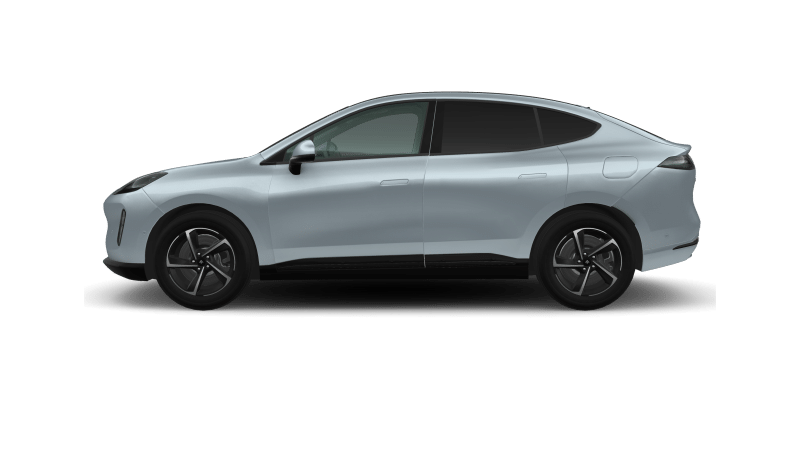
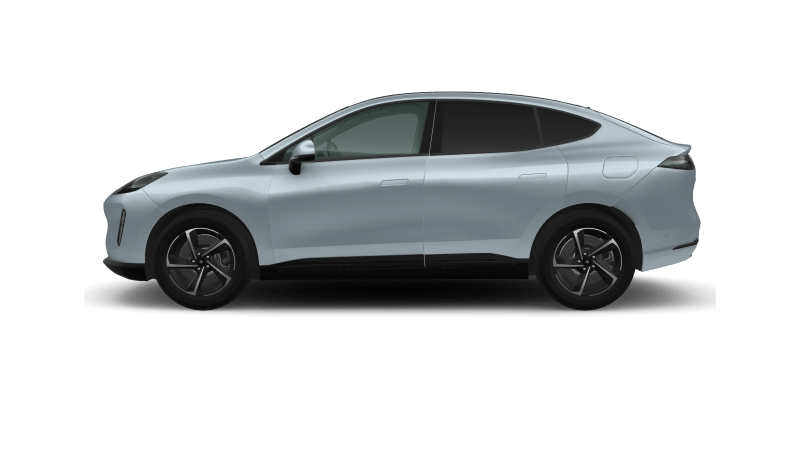
When you want a clear side-by-side judgment rather than marketing spin, start at the maker’s own pages and work outward; that is the Comparative Insight approach. On the GAC portal you can inspect trims, battery packs, and official range figures directly, and for those tracking availability, pages listing regional offers will point to models such as aion car for sale. Since the model drew attention during its presentation at Auto Shanghai, people in Europe have grown more particular about comparing claimed range against local testing cycles.
What to compare first — core metrics that matter
Keep focus on the numbers that change ownership experience. Compare these attributes across models and trims:- Usable battery capacity (kWh) rather than nominal figure;- WLTP or NEDC range listing and whether the site clarifies the test cycle;- Power and torque figures and how they translate into real-world acceleration;- Charging capability (AC & DC), peak charge rate, and advertised 10–80% times;- Warranty length for battery and powertrain, and regional service support notes.Treat headlines like “range” as starting points; the site’s spec table should let you confirm each metric without guessing.
How to use the site interface effectively
Work methodically:- Open the model overview and then the technical specs tab; GAC groups the specifications so you can line up figures quickly.- Create a quick matrix on paper or a spreadsheet: model, trim, battery, WLTP range, DC charge power, price (if shown).- Watch for regional footnotes: European pages sometimes differ from Asian pages on charging equipment and standard trim.My experience editing vehicle guides shows that spending ten minutes to extract these exact fields prevents confusion later when dealers quote different figures.
Interpreting official claims versus local reality
Manufacturer data is authoritative but not absolute. Look for:- Whether range is WLTP — that is more useful in Europe than legacy cycles;- Battery usable capacity; two cars with similar gross kWh may have different usable energy.Compare energy consumption (kWh/100 km) if available; lower consumption often beats a slightly larger battery for everyday cost. Use the official specs as a reference and then compare them against independent tests or trusted regional reviews.
Common pitfalls when comparing on manufacturer sites
Avoid these mistakes:- Assuming trim names mean the same equipment content across markets;- Ignoring charger cable types and onboard charger capacity;- Comparing top-spec cost in one country to base-spec pricing in another without adjusting for taxes and incentives.If a specification looks inconsistent, check the small print or regional section of the site; often what appears missing is a variation in standard equipment for Europe.
Quick checklist when considering alternative brands
When you use the GAC site as your benchmark and then look at rivals, compare:- Battery warranty terms and service network in your country;- Realistic charging speed on local public chargers;- Aftercare terms such as roadside assistance or software updates.This method helps you see where the GAC model stands relative to European rivals on the same objective criteria, rather than on advertising language.

Closing synthesis
Compare cleanly: extract the same set of technical fields from each manufacturer page, place them side by side, and evaluate against your daily use—distance, charging access, and local service. That disciplined comparison shows where a vehicle truly fits your life rather than where it sits in a brochure, so you end with a clear sense of value from the official data and regional notes provided for an aion car.