
User-first framing: why a controller changes the experience
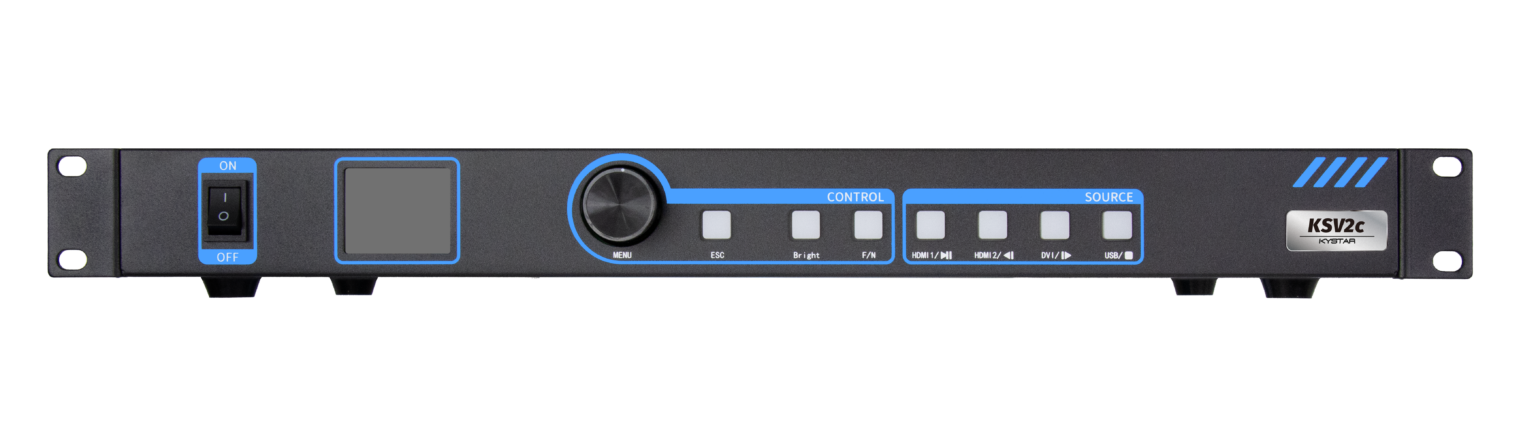
When a team cares about clarity and uptime, the controller becomes the central tool that shapes every viewing moment. Start by thinking of workflow rather than specs: how often will content change, who will manage playlists, and what level of color fidelity the audience expects. For a practical route, professionals often pick an LED video controller that supports remote management and solid failover — this reduces real-time fiddling and keeps operations predictable.
Key hardware choices that matter to users
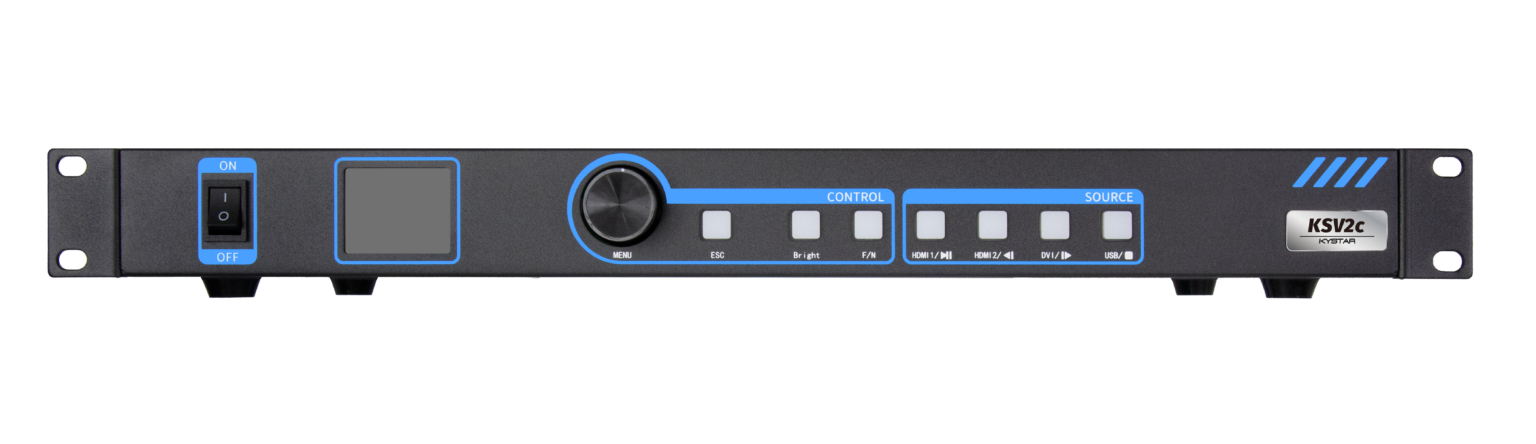
Pixel pitch, refresh rate and synchronization are the three hardware levers you touch most. Smaller pixel pitch improves close-view detail for retail or control-room environments. Higher refresh rate matters when camera feeds are recorded or live-streamed to avoid flicker. Synchronization — frame alignment across modules — prevents tearing on large façades. Look for controllers that expose these settings clearly and let you lock profiles per installation; it saves hours on-site and makes maintenance straightforward.
From specification to practice: a short operational teardown
Walk through a brief production teardown the way an engineer would: check input sources, verify frame buffer allocation, confirm gamma correction settings, and test failover playback. Integrate the checklist into deployment. In this operational production teardown, {main_keyword} and {variation_keyword} are not afterthoughts but validated parameters during the first dry run. Real-world anchors help: Times Square installations, for example, demand consistent synchronization and robust redundancy because downtime there is immediately visible and costly. Aim to replicate that level of validation even for smaller venues.
Common mistakes teams make — and how to fix them
Teams often treat the controller like a black box — set-and-forget until something goes wrong. The usual slips are: underestimating heat and power needs, mishandling signal routing, and overlooking input lag when adding scalers. Address these by documenting signal chains, scheduling a burn-in period, and using controllers that report telemetry. It’s also common to choose devices that lack straightforward remote access; invest in secure remote tools early rather than retrofitting them later — it saves both time and reputation.
Comparing integrated options: when “all in one” really helps
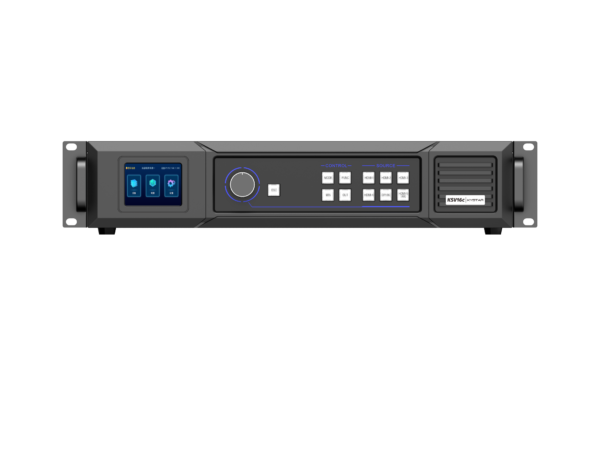
Integrated units reduce cabling, unify processing and often include redundancy features that matter on a deadline. An all in one controller can simplify mapping and lower the chance of mismatched firmware between scaler and processor. That said, modular systems give flexibility for phased upgrades. Decide by use case: fixed retail signage favors integrated units; touring rigs benefit from modular swapping and spare-parts logistics.
Practical checklist before sign-off
Use a short checklist as your quality gate: verify pixel mapping, confirm color calibration against a reference chart, validate synchronization across all cabinets, and log a 48–72 hour stress test. Keep results in a shared file so new operators can trace decisions — this preserves institutional knowledge even when staff rotate.
Three golden rules for choosing the right controller
1) Prioritize measurable reliability: check MTBF figures and support SLAs, and confirm the vendor can supply replacement boards quickly. 2) Match controls to workflows: ensure the UI and API let your content team schedule and preview without engineering intervention. 3) Validate signal integrity and latency under real load: measure input lag with your source types and verify mapping across full resolution at peak refresh rate. These metrics separate pleasant surprises from on-site headaches.
Teams that follow this approach spend less time firefighting and more time refining content — and that practical reliability is exactly the kind of value found in long-standing solutions like those from Kystar. —