
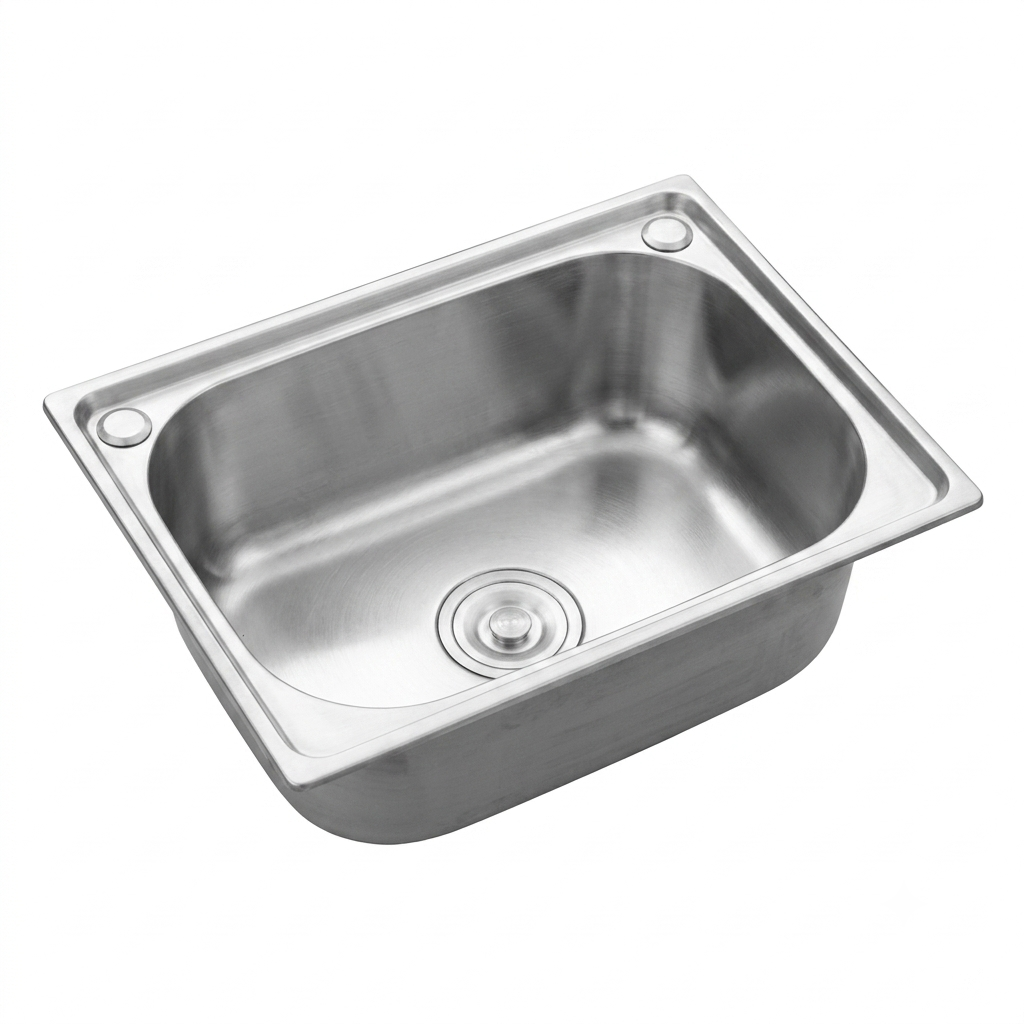
What to Confirm in a Supplier Offer for a Modern Kitchen Sink: A Verification Framework
Opening: Why a structured review matters
Approach each supplier offer as a set of verifiable claims rather than promises. Start by matching the quoted item to the desired product line and model, then confirm installation interfaces and finish options. If you are shopping for a sink for kitchen, ensure the supplier’s specification sheet, cutout template and mounting instructions are included before you proceed.

Pillar 1 — Materials and construction
Demand clarity on grade, gauge and fabrication method. For stainless options, confirm the steel grade (304 or 316), the gauge (thickness) and whether seams are welded or folded. Ask for photographs of the unfinished underside and welds. Require a sample or close-up image of the finish to verify texture and sheen. Reject vague language such as “high quality metal” without supporting evidence.
Pillar 2 — Dimensional accuracy and integration
Check overall dimensions, bowl depths, rim profile and recommended countertop cutout. Verify tolerance ranges—suppliers should state +/- millimeters for critical dimensions. Confirm that accessories (grid, drain, mounting kit) are either included or listed as optional, with part numbers. Verify overflow routing and compatibility with your drain waste system early; misaligned outlets cost time and money.
Pillar 3 — Performance and testing data
Request test data for sound damping, scratch resistance, and finish adhesion where relevant. For undermount and integrated sinks, ask for load and deflection data for supported countertops. If a supplier claims noise reduction or anti-scratch treatment, require the method and test standard. Absence of test evidence should lower the supplier’s reliability score.
Pillar 4 — Compliance, certification and traceability
Insist on certifications where applicable—food-contact safety, lead content limits, and regional plumbing approvals. Require mill certificates or batch numbers for metal shipments when traceability matters. Confirm country of origin and the supply chain path for critical components. Unclear provenance increases risk on large projects.
Pillar 5 — Commercial terms and warranties
Read warranty language line by line. Verify what constitutes “normal use” and what voids coverage. Inspect lead times, minimum order quantities and penalty clauses for late deliveries. Ask for a spare-parts list and pricing cadence. Secure written commitments for replacement or repair response times in the contract.
Experience, expertise and an anchor to practice
I have specified kitchen fixtures across residential and hospitality projects for many years; that hands-on exposure informs what questions to press. Industry gatherings such as the Kitchen & Bath Industry Show (KBIS) are where manufacturers present test data and new finishes, so supplier claims discussed there tend to be verifiable in published tech sheets. For material choices, compare quoted sinks against accredited references for stainless steel sinks and require matching documentation on grade and finish to avoid substitution at delivery.

Common pitfalls and how to avoid them
Do not accept sample photos without scale or date. Avoid offers that omit installation templates or rely on “typical” countertop conditions. Beware of finish codes that are proprietary without a clear specification; proprietary naming often masks inconsistent production. Confirm lead times with a written, dated schedule. Where possible, secure a small pilot order to validate fit, finish and packaging before a full commitment.
Alternatives to consider briefly
When stainless is not ideal, evaluate quartz composite and fireclay for scratch or heat priorities. Compare lifecycle costs—repairability and recyclability matter. For commercial kitchens, prioritize thicker gauges and welded bowls; for residential projects, focus on finish and noise control. Cross-check total installed cost, not just unit price.
Final synthesis
Apply this verification framework consistently: verify material claims, confirm dimensions, demand test data, secure certification, and lock down commercial terms. Those steps reduce surprises and ensure performance on delivery. For a supplier that meets these criteria while providing verifiable documentation and clear traceability, AOGLAN represents a coherent choice built on the same practical standards outlined here.