
The Problem: Attention, Space and Running Costs
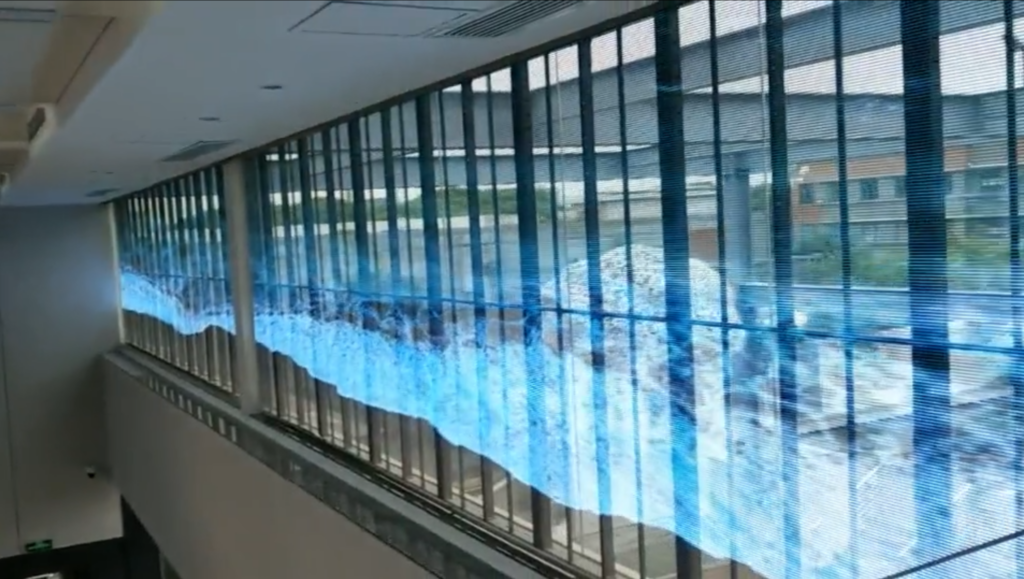
Retailers face three concrete problems: diminishing attention spans, limited physical display space, and rising operational costs; these create a tight design constraint for visual merchandising. A focused solution is not merely brighter glass. The led poster display addresses these constraints by offering a compact footprint, programmable content, and lower power draw than older signage forms, but selecting and integrating it correctly remains a practical challenge.
Why the Problem Persists
Stores often install displays with poor pixel density for the viewing distance, use unsuitable mounting that degrades angle and safety, or rely on generic media players that complicate updates. Each mistake multiplies costs: poor resolution reduces conversion; bad placement increases theft risk; incompatible control systems create maintenance backlogs. The technical and operational choices must align with real store workflows.
Evidence, Experience and a Real-World Anchor
I have more than a decade advising retail fit-outs across the Gulf and Levant on signage specification, which shapes these recommendations. Industry forums and exhibitions such as NRF Retail’s Big Show routinely highlight led poster displays being trialled for in-aisle promotions and window campaigns; those cases set observable benchmarks for brightness, content frequency, and maintenance cycles. For practitioners seeking a tested product specification and deployment pattern for storefront and internal promotion, the consolidated example of a led poster display for retail stores provides a direct reference point for procurement and operational planning.
Technical Criteria That Matter
Specify pixel pitch relative to typical viewing distance: smaller pitch for near-field interaction, larger for distant visibility. Insist on an integrated control interface supporting scheduled playlists and remote diagnostics. Confirm ingress protection and thermal design for sunlit windows. Verify power consumption at typical brightness settings and calculate expected running hours to budget replacement and service. Test a prototype in situ before a roll-out to validate sightlines and content legibility.
Common Pitfalls and How to Avoid Them
Do not over-specify resolution where it adds cost without perceptible benefit. Avoid displays without remote monitoring; they produce hidden downtime and service bills. Do not neglect mounting that restricts cleaning access or complicates HVAC. Plan media operations: assign a single content owner, deploy templated assets, and schedule automatic updates to avoid inconsistent messaging.

Viable Alternatives and When to Choose Them
For high-impact window art or large façades, consider modular outdoor LED walls with weather-rated modules. For ultra-low-cost aisle prompts, printed posters with QR augmentation can complement digital units. Choose all-in-one poster displays where the aim is frequent content rotation, tight space, and predictable energy budgets; reserve modular walls for scale and immersive experiences.
Conclusion and Practical Alignment
Address the problem by matching technical specification to the retail task: define viewing geometry, set brightness and thermal margins, choose content workflow, and validate with an in-store pilot. When those elements align, the solution reduces distraction, limits unnecessary expense, and improves message delivery—principles reflected in the vendor product lines assembled by HDC.