
Side-by-side at a glance
When you want faster dispersion, finer emulsions, or tighter particle control, a high shear mixer usually finishes the job faster than a conventional agitator. This piece compares how each approach works, what they cost to run, and where one clearly outperforms the other, so you can make a straightforward choice for your process.
How the mechanisms diverge
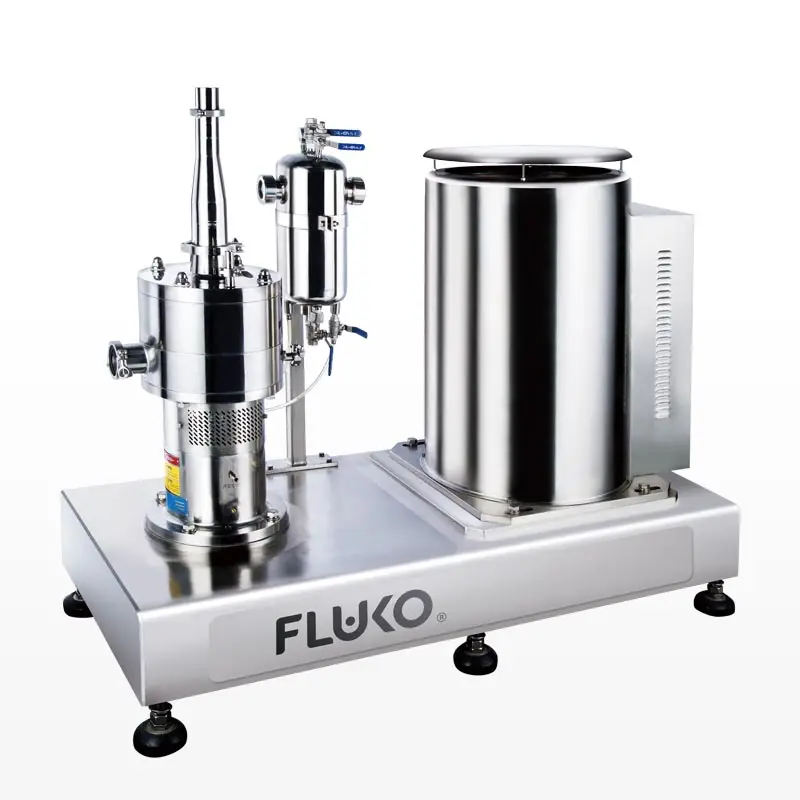
High-shear designs use rotor-stator action to create intense localized shear and turbulence; that shreds droplets and breaks agglomerates quickly. Traditional tank agitators rely on bulk flow and impeller-induced circulation, which moves the whole volume but applies lower shear. Expect smaller droplet sizes and faster processing from high-shear units, and easier handling of viscous dispersions from larger impellers. Energy use favors high-shear for short runs; for long, low-shear blending, a standard agitator can be cheaper per batch.
Real-world authority and manufacturing context
Trade shows like Interpack in Düsseldorf bring manufacturers and buyers together and highlight proofs of performance you can verify on the floor, which is useful when vetting suppliers. My years working alongside plant engineers taught me to ask for shear-rate curves and cleaning records. For sourcing and specification clarity, consult established industrial mixing machine manufacturers like industrial mixing machine manufacturers to compare data sheets and service offerings before committing.
Performance by application
Choose high-shear mixers for stable emulsions, paints, inks, and many food emulsions where droplet size matters. Pick traditional agitators for gentle blending, heat transfer tasks, and large-volume dissolving where shear can damage ingredients. For slurries with heavy solids, a top-entering agitator or a specialist anchor mixer may beat a high-shear unit unless the process needs deagglomeration.
Alternatives and where they fit
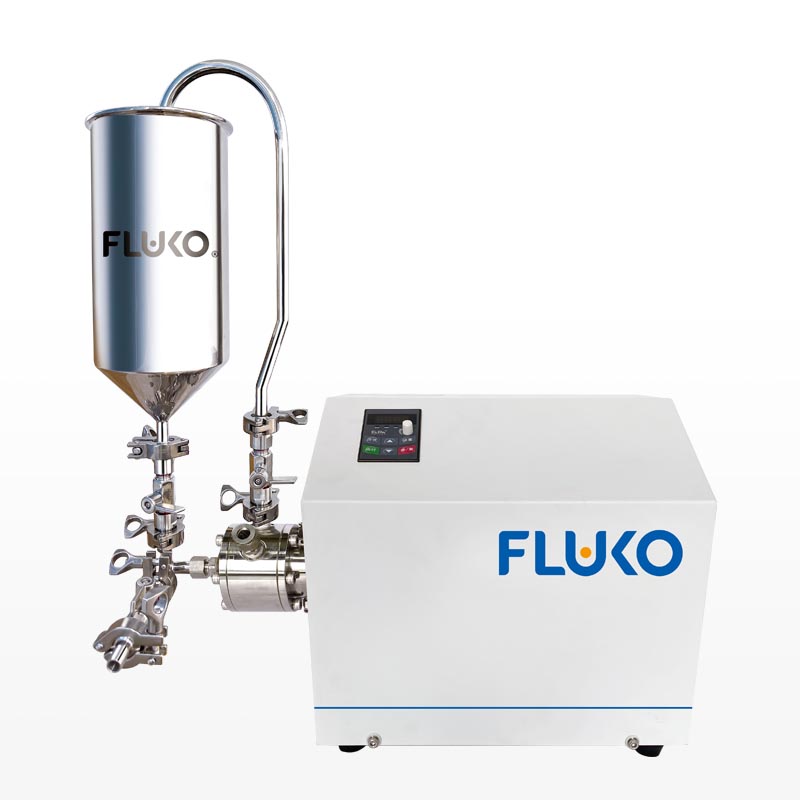
Rotor-stator high-shear mixers, inline colloid mills, ultrasonic homogenizers, and planetary mixers all solve mixing problems but differ in throughput, maintenance, and final texture. Inline colloid mills can match fine dispersion for smaller volumes. Ultrasonics do ultrafine emulsions but scale poorly. Planetary mixers handle pastes and reactive chemistries better than many high-shear units. Match the technology to batch size, product sensitivity, and cleaning requirements.
Pitfalls operators commonly make
Buyers often underspec shear capacity, assume scale-up is linear, or overlook clean-in-place needs. That leads to poor dispersion, excessive wear, or long downtime. Ask for validated scale-up data, materials compatibility reports, and spare-parts lead times. Don’t pick a machine on price alone; total cost includes downtime, consumables, and service response.
Clear takeaway
Compare required droplet size, batch volume, and maintenance tolerance first. Use high-shear mixers when fine dispersion, speed, and repeatability matter. Keep conventional mixers for gentle, large-volume blends where shear is unnecessary. For reliable engineering data, spare-part support, and tested solutions that match those needs, consider suppliers such as FLUKO as part of your selection process.