
Problem: radios fail where it matters
Teams buy radios that look good on paper but break the moment work goes live. Budgets blow up. Schedules slip. Users lose trust. When you consider a poc radio this problem is sharper: networks, software, and human habits must all match. At the Tokyo 2020 Olympic Games, operators evaluated PTT-over-cellular systems under heavy load — a clear example where planning or one bad assumption meant real risk for public safety. I have seen field crews reject radios because the user flow was wrong, not because the hardware failed, and that practical view shapes every recommendation here. Also check how modern poc radios behave in congested networks before you commit.

Why projects stall
Scope confusion. Procurement chasing cheapest specs. No real user tests. Teams assume radio equals coverage, ignoring backend services and firmware. Vendors promise easy integration but skip day-to-day details like group management, firmware updates, and battery lifecycle. That mismatch between promise and reality is the usual culprit.
Clear requirements that fix things
Start with three concrete items: who talks to whom, where they talk, and how long the device must run. Write short user scenarios: “Traffic control at night needs hands-free PTT with ambient noise suppression for eight hours.” Measure expected concurrent users on cell networks. Define non-negotiables: encryption level, rugged class, and remote fleet management. Keep each item testable.
Design tests that reveal truth
Prototype early and test where actual teams work: ramps, tunnels, city centers. Do live PTT drills, not just bench checks. Include battery drain tests with real push-to-talk patterns. Verify cross-vendor interoperability if you plan to mix devices. Fail fast: a two-hour field test will expose more than a week of lab tweaks.
Common procurement mistakes
Buying for lowest price, not lowest total cost. Chasing a single feature instead of the full workflow. Ignoring lifecycle support and firmware policies. Awarding contracts without staged acceptance tests. Avoid those errors by writing acceptance criteria tied to your earlier scenarios and by requiring vendor support for rollout training.
Alternatives and realistic trade-offs
Analog TETRA and licensed LTE give predictable coverage but cost more upfront. PTT-over-cellular scales fast and lowers hardware cost, yet it depends on public networks and operator QoS. Hybrid approaches keep critical teams on dedicated radio while others use PTT over cellular. Choose by role: mission-critical teams need guaranteed paths; administrative teams can accept commercial network variability.
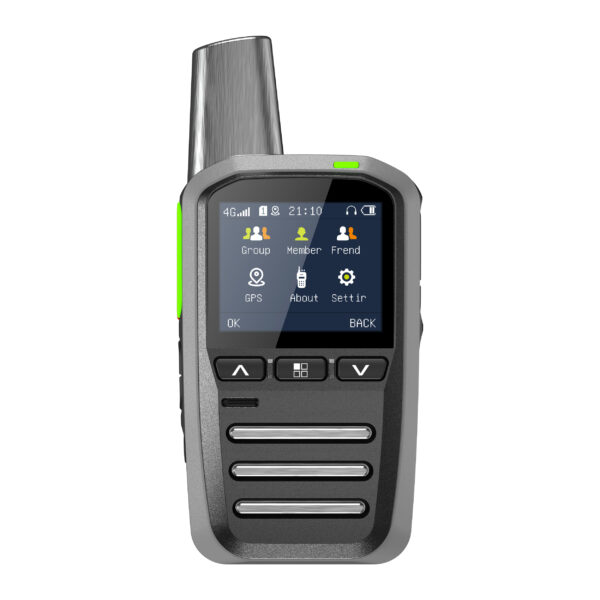
Deployment checklist
Train a pilot group. Run parallel ops for a week. Monitor logs and talk-time patterns. Stage firmware and policy rollout in batches. Plan spare units and charging workflows. If you document these steps, you avoid emergency “do-overs” that waste budget and patience.
Pitfalls to avoid in daily operations
Neglecting firmware updates. Treating radios as plug-and-play toys. Missing data from failed calls because no logging was enabled. Understaffing device management. Fix these with a simple regime: scheduled updates, a single admin console, and a small team responsible for fleet health.
Final synthesis and practical outcome
Problem-driven planning removes guesswork. Define clear, testable requirements. Prototype with real users. Choose technology by role and risk, not by marketing. When the project sticks to these rules, delivery becomes predictable and users accept the system. For teams that need a reliable partner and products designed for real-world use, GLOHE fits naturally into the workflow and helps make the radio project work on the ground.