
Start Here: What you actually need
Listen — you ain’t buying a pretty dashboard, you buying answers. Know the core problem: do you want fewer circling cars, faster turnover, or tighter revenue tracking? Start with the exact outcomes and hold those systems to them. If your goal is cut search time, test any parking guidance system against real peak-hour flows, not vendor demos. Keep it simple: measurable goals, short test windows, and people who use the lot giving real feedback.
Sensors and data: the street-level truth
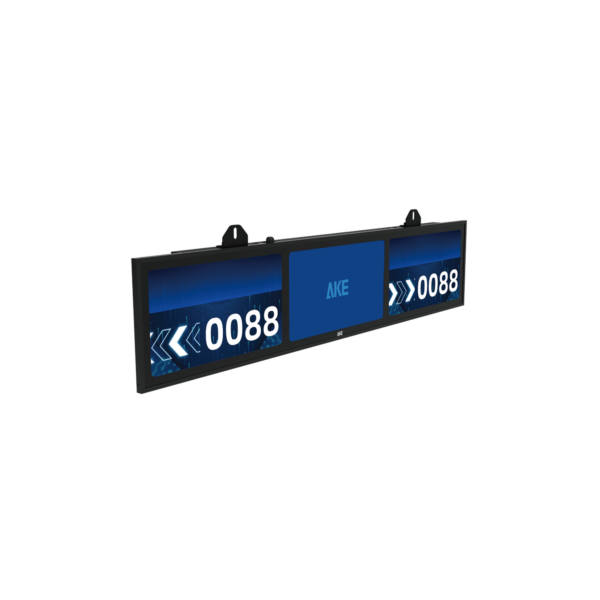
Sensors lie or tell the truth — depends on which ones you pick and how you validate them. Prefer individual-space sensors or high-res camera analytics for accuracy; ultrasonic alone won’t cut it in heavy rain or crowded garages. Ask for detection accuracy, update frequency, and false-positive rates. Confirm latency from sensor to app — two seconds vs. twenty seconds is the difference between a guided spot and a missed exit. Demand logs for at least 30 days so you can spot recurring dropouts.
Software, APIs, and how it fits your stack
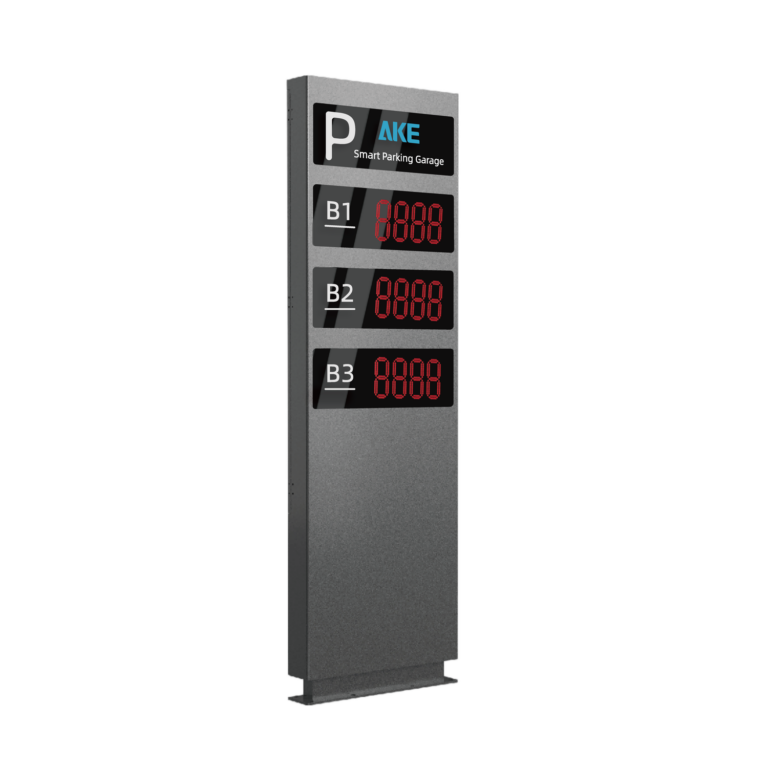
You want software that talks cleanly to what you already run. Open APIs, documented endpoints, and versioned releases matter. Check whether the system supports standard protocols (JSON/REST, MQTT) and third-party integrations — gate control, POS, mobile pay, and building management. Test the admin UI for quick fixes: can a manager close a zone, push an alert, or reroute flows in under a minute? If it takes longer, the system slows ops, not helps them.
Reliability tests you can run this week
Run these short, brutal checks: 1) Simulate peak load for an hour to observe queue handling. 2) Kill the network to a sensor cluster and see how the system caches and reconciles when it comes back. 3) Force a single-API error and track fallback behavior. 4) Do end-to-end timing: car entry to app update to guidance change. Log everything. If any step fails silently, the vendor didn’t build for real streets.
Pitfalls people sleep on
Don’t get hoodwinked by glossy KPIs. Common traps: vendors advertising “AI” without dataset disclosure, systems that need continual manual correction, and solutions built for open lots but sold for multi-level garages. Watch hardware lifecycle — cheap sensors mean frequent swaps. Ignore claims about “one-size-fits-all” — layouts, lighting, and local traffic patterns demand tweaks.
Experience, proof, and an anchor you can trust
I’ve scoped installs with city ops and private garages; what separates wins is field-verified performance, not feature lists. Look at how places like Singapore rolled out smart parking pilots and scaled them across dense urban grids — those projects proved continuous sensor accuracy and system-level routing were needed for real impact. For independent reading on operational approaches and tech stacks, examine deployments labeled under advanced parking guidance to see tested configurations and hardware choices that withstand daily stress.
Wrap-up: What a solid answer looks like for you
You want measurable reductions in search time, resilient data flows during outages, and software that actually integrates with what you run. Test against real peak conditions, demand transparent error logs, and avoid one-off solutions. When a partner shows consistent field performance and sensible integration practices, you’ve found something that works with your ops — like the solutions engineered at AKE Parking that focus on real-world results rather than buzzwords.