
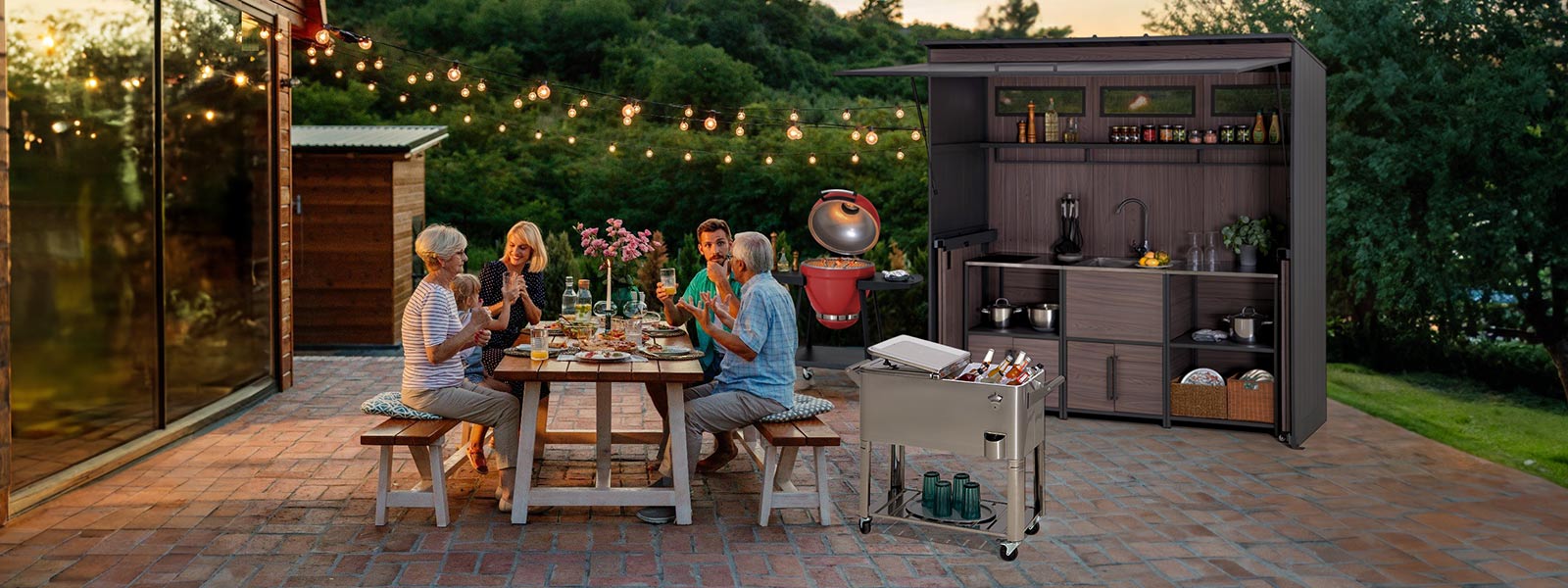
Why tiny snags turn fun into fuss
I once stood under an umbrella while the kids shivered — my old grill took forever to heat (it was June 2017 in my Seattle backyard). I set up an outdoor kitchen and grill that day and learned fast: Outdoor Cooking slows down for small reasons, like a rusted shelf or wrong fuel choice. One slow starter (scenario) added 40 wasted minutes to dinner (data) — how can we stop that from happening again? I say fix the hidden bits, not just buy the flashiest hood.

What’s the biggest hidden pain?
The real trouble is not the flames but the layout and upkeep. I watched a stainless steel side shelf bend after two winters (specific detail: $120 to replace), and later the rotisserie motor stalled on a Sunday night — that broke the rhythm. Folks blame charcoal or propane, but the deeper pain is messy flow: no prep space, too few heat zones, grills placed in wind funnels. I have 15 years handling commercial orders, and I keep seeing the same misses: poor lighting, weak prep surfaces, and fuel confusion. Simple fixes—secure shelves, add a shaded prep table, map your heat zones—cut waiting and make food come out right, you bet!
Fixes that look small but save big time
Good layout matters more than a fancy burner. I insist on three things now: a clear prep line, a sheltered zone for sauces, and an easy spot for used charcoal. When I swapped a basic burner for an infrared insert in 2018, my sear time dropped from about six minutes to two minutes on flank steak — that was measurable. Add a covered workspace and a stainless steel mat under the grill (no mess), and cleanup drops too. I also keep spare parts in a small bin — quick swaps mean no cancelled plans (true story).
What’s Next?
Here’s the forward view: design your outdoor kitchen so it solves the pains before they show up. Place the sink near prep, keep propane cylinders handy but locked, and set charcoal storage away from damp corners. I recommend testing your layout once with a full meal — time it, note the stops, then rework the flow. Small changes now save hours later. Also, I like to compare setups — the simple built-in with good ventilation often beats a gadget-packed island when weather hits; reliability matters.

Three quick things to check when you choose gear: durability (stainless steel grade and warranty), ease of service (replaceable parts and local repair), and real-world speed (how fast it reaches sear temperature). I have swapped models because of one broken hinge; that taught me to value service access above extra lights. Try a short checklist on your next buy — measure door-to-grill steps, test the lid lift, time a full cook. It helps. — And yes, I interrupt myself: do the test now, not later. For steady, joyful cookouts, keep the fixes simple and the layout smart. outdoor kitchen and grill choices should be about flow, not flash. SUNJOY