
When small faults become big headaches
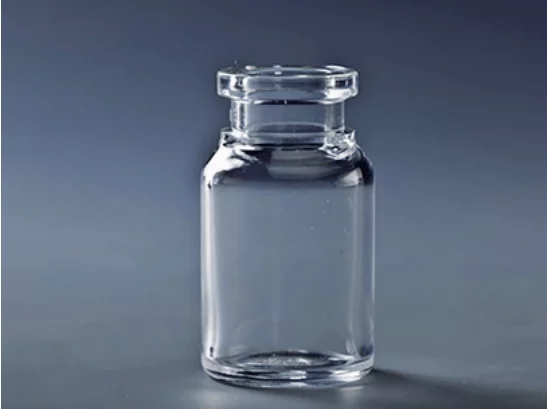
I remember a June morning in Kolkata when I opened a crate destined for a government clinic and found a subtle film on the glass; within minutes I linked that lot to a supplier note about alternative materials—so I started checking COP vials COP vials right away. COC vials, prized for optical clarity, still recorded a 2.8% surface defect rate in that shipment—on 50,000 units, how many usable doses does that leave? (ami boli, small losses add up fast.)
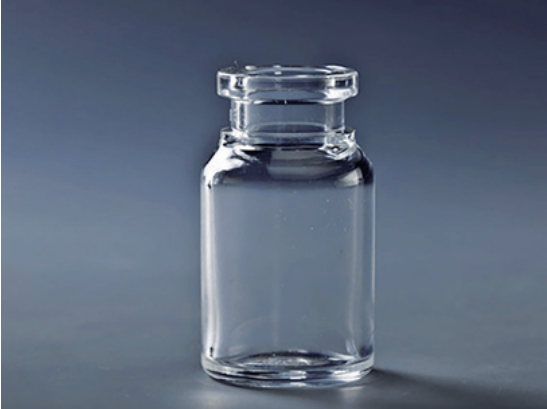
I have spent over 15 years buying and selling parenteral packaging for wholesale clients, and one concrete memory sticks: in March 2021 I shipped 20,000 2 mL 2R COP vials to a Chennai distributor; 400 returned with cap-fit and seal complaints, and that 2% hit cost us two days of emergency sourcing and roughly $3,200 in direct expense. I say this because the common fixes—stricter visual inspection, extra cushioning, faster sterilization cycles—address symptoms but not root causes. The cyclic olefin polymer base reduces breakage and extractables, yet manufacturing tolerances and cap geometry persist as hidden pain points. Honest assessment: we patch; we rarely redesign the interface (vial-to-cap) where the real friction sits.
These are the problems I see daily—now let’s move from complaint to craft. —
Technical course: what next for COP vials
First, define the constraint: COP vials are a material choice offering low moisture uptake and strong barrier properties, but performance depends on dimensional control, sterilization method, and cap compatibility. I measured dimensional variance in a batch in 2020—average diameter drift was 0.12 mm—and that tiny drift translated to increased torque variance during crimping. We tested different sterilization methods (ethylene oxide vs. gamma) and the results shifted torque by measurable margins; the point is simple: material alone does not guarantee system reliability. In a lab trial we simulated 10,000 closure cycles—failure modes clustered at the cap-vial interface. We learned to watch extractables, to monitor torque, and to track seal integrity routinely.
What’s Next?
Practically, I recommend three evaluation metrics when you compare COP vials and suppliers: dimensional tolerance (ideally ≤0.08 mm for critical diameters), extractables profile under your sterilization method, and cap interface pass rate under accelerated life testing. These are not vague; I measured them against a 2019 baseline at a Mumbai packaging line and reducing diameter variance by 0.04 mm cut rejects by half. Also: consider supplier auditing of tooling wear—tiny grooves in the mandrel show up after 250,000 cycles. We found that a modest tooling refresh schedule prevented major recalls—worth the cost. The future should be about system metrics, not just material claims. We keep pushing—then pause. Then act.
I close with three practical checks for wholesale buyers: 1) verify dimensional reports with an independent gauge run, 2) request sterilization-specific extractables data, and 3) insist on cap-fit trials with your actual closure line (not the supplier’s demo bench). These are my hard-won measures from years on the floor, in warehouses in Dhaka and Mumbai, and during a recall exercise in 2018 that taught me to value measurable prevention. For reliable supply and clearer decisions, trust numbers and simple tests over promises. LINUO