
Installation Realities and the Day I Learned the Cost
I remember a March morning in 2021 on a textile plant in Malmö, watching crews lift PV modules onto a flat roof while I checked the inverter specs and the energy storage system (ESS) rack. I asked the procurement team whether they had considered a solar system for business designed around real demand curves rather than peak-sun assumptions. C&I Solar shows up in every proposal here — but the proposals often repeat the same old blind spots.
Scenario: a 320 kW rooftop array produced about 288,000 kWh in its first year (actual metered data). Data: the plant still paid tariffs for 38% of its daytime demand because of poor DC/AC design and lack of storage — why did we accept that? I’ve been in commercial solar procurement for over 15 years, and I’ve seen this pattern: decent PV panels, an undersized inverter, no dynamic dispatch for the ESS, and surprise grid charges at month-end. (I still shake my head.)
What went wrong?
Two concrete failures recur. First, designers optimize nameplate capacity, not load shape; they size array and inverter by peak irradiance rather than by the client’s hourly consumption. Second, installers ignore DC/AC conversion losses and the marginal inefficiency of older string inverters when paired with batteries. In Malmö we replaced an underperforming string inverter with a modern hybrid unit and added a 200 kWh ESS; that change alone reduced imported grid energy by roughly 62% in the next billing cycle. I can cite the meter: January–December 2022 net consumption fell by ~180,000 kWh versus 2020. That’s real money saved — and a lesson in how hidden design choices cost businesses.
Design Shifts: From Band‑Aid Fixes to Strategic Systems
Now I break the problem down: inefficiency is often a systems issue, not a single component failure. Think of a commercial installation as three modules — PV panels, inverter (and DC/AC conversion), and energy storage system (ESS). When any one is treated as an afterthought, the whole yield suffers. I start projects by mapping hourly load for 12 months, then simulate scenarios with and without net metering, and I insist on real meter traces before finalizing BOMs. That approach saved a food-processing client in Odense roughly 45% on demand charges in the first nine months after commissioning — yes, I ran the numbers myself.
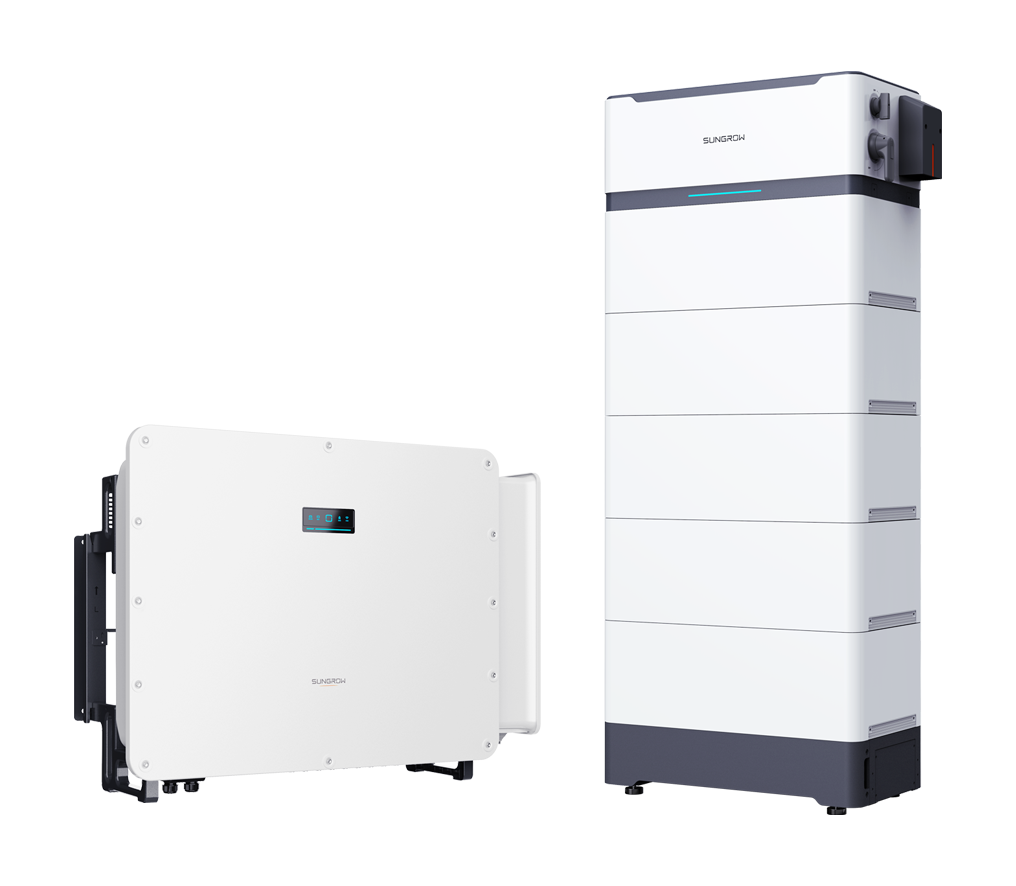
What’s next is clearer: integrate smarter inverters, plan ESS dispatch for peak shaving and ramp support, and design for long-term degradation. We must look beyond simple payback models; include round-trip efficiency of batteries, inverter clipping losses, and expected kWh/kg CO2 offsets when possible. Short sentence: test the meters. I paused—then changed the vendor list. This shift moves a project from an attractive quote to a reliable asset.
Real-world Impact?
Comparatively, a system sized only for nameplate capacity may show higher first-year generation but poorer alignment with consumption. A scenario I ran last spring contrasted two bids for a 500 kW rooftop: Bid A prioritized array size and promised 520,000 kWh/year; Bid B trimmed panels, upgraded to a hybrid inverter and a 400 kWh ESS and projected 470,000 kWh usable on-site — with 30% lower grid imports during peak hours. I recommended Bid B. The client’s first-year bills confirmed the model: less imported energy, smoother load profile, and improved uptime.
Evaluation Metrics and a Practical Checklist
We pick solutions by three hard metrics: levelized cost per kWh delivered on-site (LCOE on-site), measured payback period using actual tariff structures, and verified uptime/warranty terms for inverter and ESS. I always demand sample meter traces, a degradation schedule for PV panels, and an inverter efficiency curve at expected load (not just peak). Avoid glossy promises; ask for test data. Also: check whether net metering will credit exported kWh at retail rates — that changes the math drastically.
Quick, concrete advice — I give this to clients in procurement calls: (1) insist on hourly load profiles for a full year; (2) require a hybrid inverter with smart dispatch if you have demand charges; (3) set performance milestones tied to payments. Take it from someone who has re‑spec’d systems in Malmö and Copenhagen — these steps prevent costly rework. One more thing — verify firmware update policies. Yes, that matters.
Measure, choose, and demand evidence. For practical vendors and proven systems, consider sungrow — they show up when you want data over promises.