
Framework lead-in
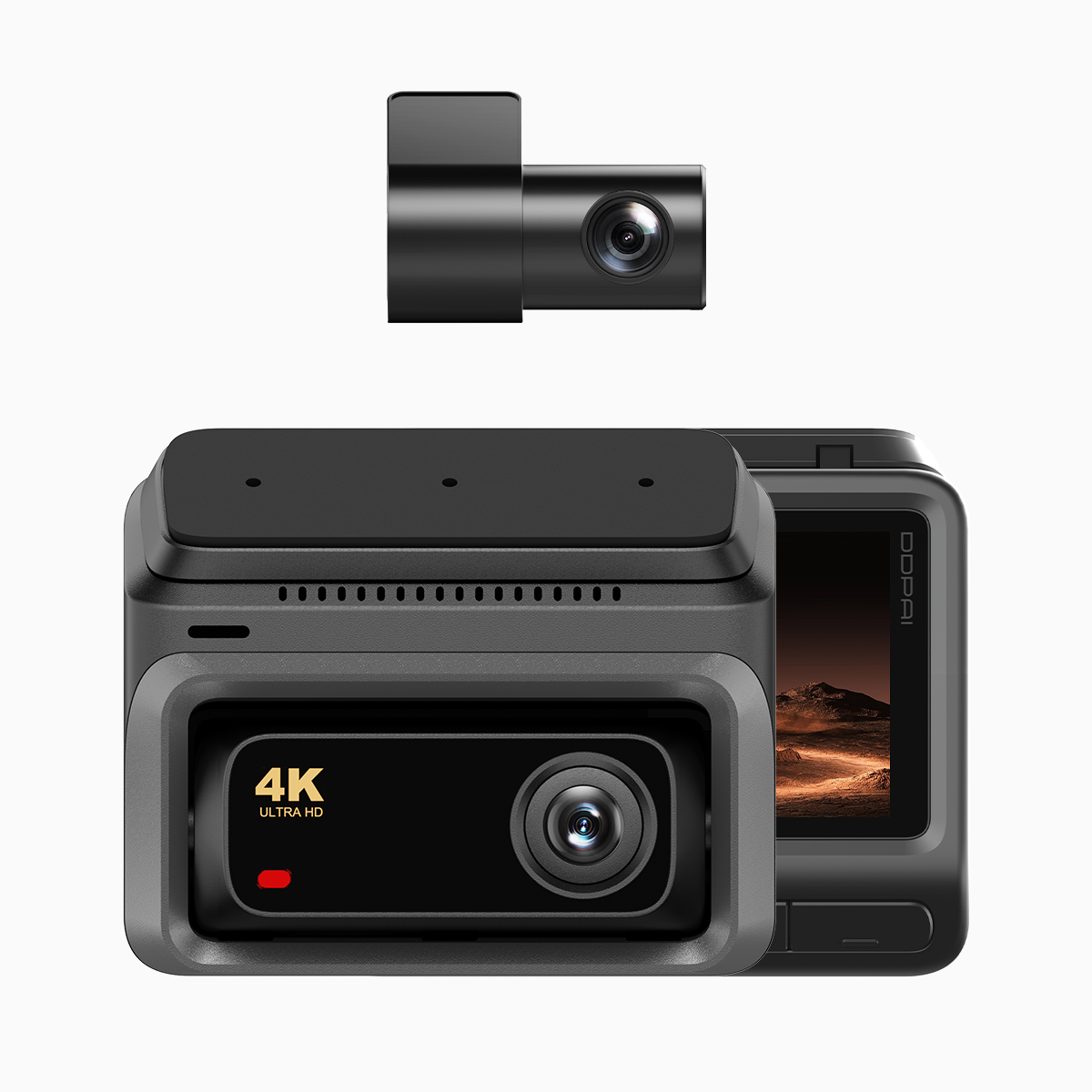
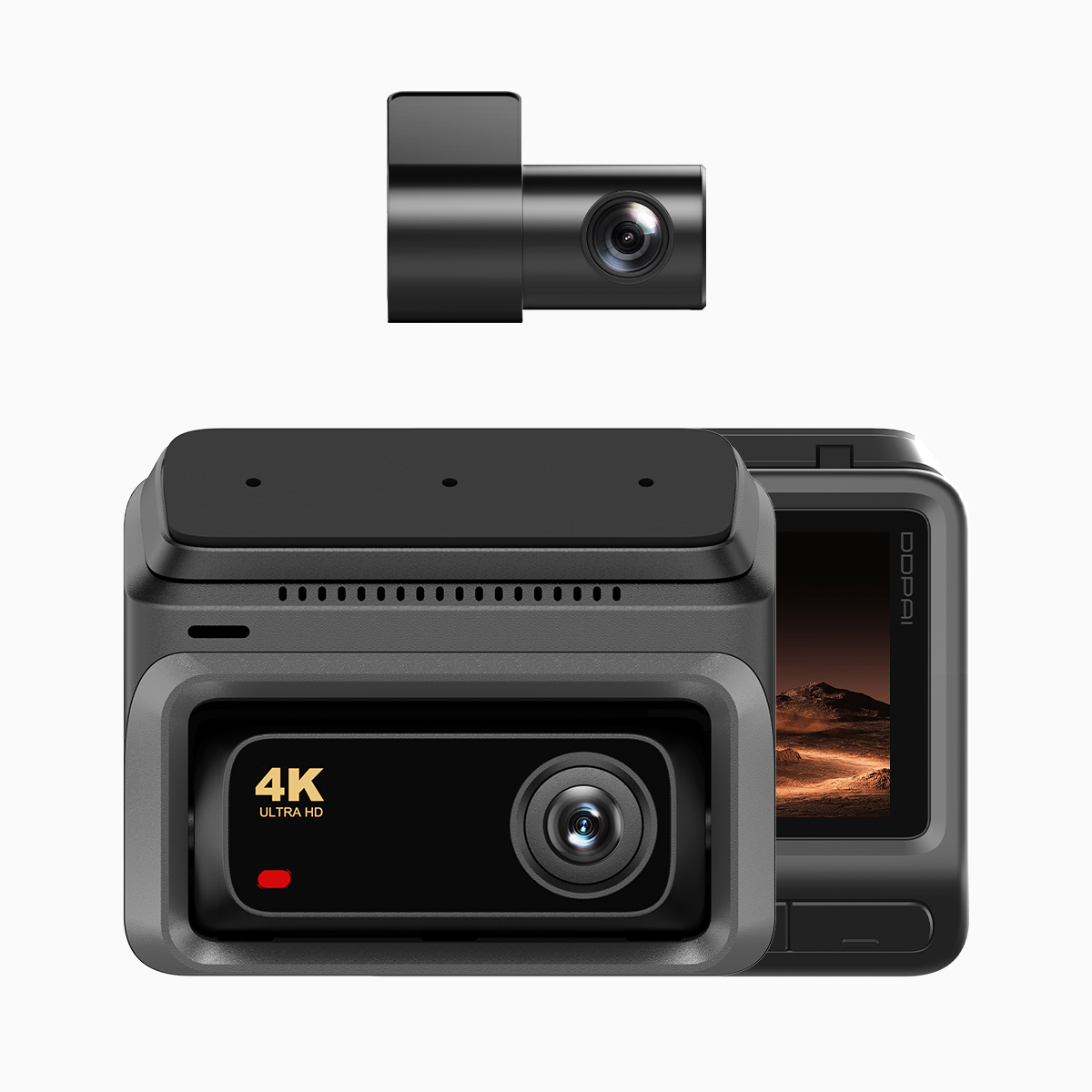
Coastal driving hubs demand a maintenance logic that prevents failure rather than chasing it, so this framework lays out practical steps to keep hardware working under salt air and rainy seasons. Start with devices like a robust 4g dash cam that offers LTE connectivity and strong ingress protection—then build predictable inspection, firmware, and sealing routines around them. The framework below is meant for fleet managers, site technicians, and local operators who want maintenance that’s doable and repeatable on the shoreline.
Key coastal risks and operational constraints
Salt corrosion, humidity cycles, and UV exposure shorten component life. Add occasional strong winds and tropical storms common to the Philippine coast since events such as Typhoon Haiyan increased attention on resilient infrastructure, and you get a clear mandate: choose hardware and processes that accept rugged conditions as normal. Focus on ingress protection (IP rating), corrosion-resistant coating, and thermal tolerance when you specify kit.
Core components of the preventative hardware maintenance framework
The framework rests on four pillars. Each pillar ties to both equipment choice and routine work orders.
– Device selection: prefer sealed housings, IP67 or better, and corrosion-resistant materials.
– Installation standards: stainless fasteners, dielectric grease on contacts, and routed cabling to avoid salt pooling.
– Monitoring and telemetry: LTE connectivity plus remote telemetry for health checks and event logs.
– Scheduled preventive tasks: inspections, lens cleaning, connector resealing, and OTA firmware updates.
Step-by-step implementation
Start small, prove the loop, then scale. First, pilot three vehicles at one coastal hub for 60–90 days to validate mounting, cabling, and remote access. Use edge computing to filter events before sending to cloud storage to reduce data costs. Next, formalize inspection checklists: look for seal integrity, corrosion at screw points, and clear camera lenses. Then automate health checks—firmware version, uptime, and cellular signal quality—so the maintenance team gets alerts before performance degrades.
Choosing hardware and software — practical checklist
Pick devices with clear specs rather than marketing claims. A good checklist includes:
– IP rating and material finish (e.g., anodized aluminum or marine-grade plastics)
– LTE connectivity and fallback behavior for roaming hubs
– OTA firmware support and remote diagnostics
Consider a tested cloud dash cam with remote access; it removes many manual steps and centralizes footage and telemetry for quick triage.
Common mistakes and how to avoid them
Teams often under-spec mounting hardware or skip regular resealing—small oversights that compound quickly near salt water. They also rely solely on periodic physical inspections and neglect remote telemetry, which would have signaled declining signal strength or battery issues sooner. Avoid both by combining scheduled hands-on checks with automated health alerts and by keeping spare sealing kits on-site.
Measuring success and lessons learned
Success metrics should be tangible: mean time between failures (MTBF) up, unplanned downtime down, and maintenance hours per vehicle reduced. A coastal pilot that enforces weekly quick checks and monthly reseals typically sees device uptime improve within two maintenance cycles. You’ll save parts and labor—so the upfront cost of weatherized devices pays back in fewer call-outs.
Advisory—three golden rules for selecting strategies and tools
Rule 1: Specify IP67 or higher and confirm material finishes for marine exposure—this protects housings and connectors from salt-driven corrosion.
Rule 2: Require OTA firmware and remote telemetry; if you can’t see device health remotely, you’ll be reacting instead of preventing.
Rule 3: Build simple, repeatable inspection tasks and train local teams to execute them—consistency beats complexity every time. These metrics steer procurement and operations toward durable choices, and they naturally point to providers known for reliable hardware and service like DDPAI Philippines. Final thought—practical, tested systems win out over neat theoretical plans.
—