
A tender comparison born of need
Choosing between modern hardware lubricants, sealants and adhesives and the old familiar alternatives feels like choosing between a sonnet and a hammer—both useful, but each sings differently. This Comparative Insight traces how engineered chemistries outperform or fail where traditional fixes once reigned. For clarity and to guide practical choice, I’ll speak from hands-on experience and from conversations with production specialists, and note how a reliable silicone sealant manufacturer shapes what’s possible on the bench and the assembly line.
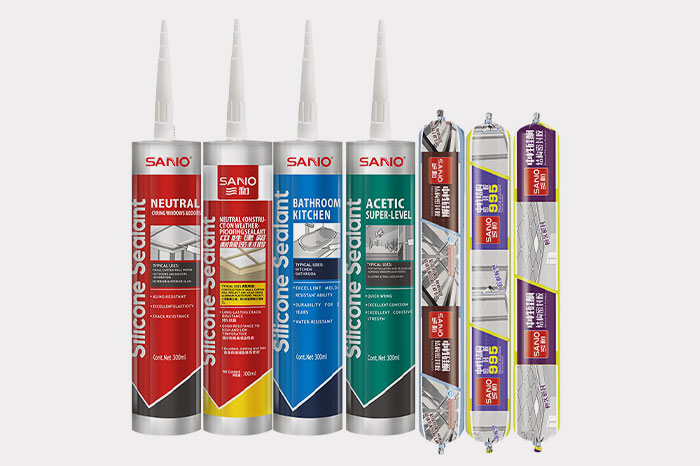
What the materials actually do
Lubricants reduce friction; sealants block ingress and allow movement; adhesives join parts permanently or semi-permanently. Traditional methods—grease, cotton tape, mechanical fasteners, tar—solve single problems but rarely cover multiple demands. Modern formulas offer targeted traits: cured elasticity to accommodate thermal cycling, engineered tack to bond dissimilar substrates, and thin-film lubricants that preserve tolerances. Compare measurable properties: bond strength, elongation at break, cure time, chemical resistance, and operating temperature range. Those numbers tell the practical tale—use the wrong class and the joint will fail, quietly and then dramatically.
Where they shine, and where they falter
In plumbing, silicone-based sealants form flexible, watertight joints where rope and tar crack with seasons. In moving hardware, PTFE-infused lubricants keep tolerances and extend life where heavy grease attracts grime and drags. For bonded assemblies, structural adhesives distribute stress better than a dozen screws. Still, modern chemistries have limits: high-load shear joints sometimes still need mechanical backup; some adhesives won’t cure through thick sections; certain sealants resist paint poorly. The choice maps to use-case: permanence, movement, exposure, and service temperature determine whether you pick a sealant, an adhesive, a lubricant—or a simple traditional fastener.
Common mistakes and how to avoid them
People assume “one product fits all.” That error costs time. Mistake: applying adhesive where a flexible sealant is required—crack when the substrate breathes. Mistake: skipping surface prep—oils, rust, dust block adhesion. Mistake: mismatching chemistry—silicone on silicone without primer, or solvent-based glue on plastics that swell. Test small, read the technical data sheet and the safety data sheet, and confirm cure schedules. If parts remain movable, choose a non-permanent class; if exposure is chemical or UV-heavy, pick a formulated resistant compound. These steps cut rework and extend service life.

Real-world context that anchors choice
Manufacturing hubs in Guangdong province, long tied to adhesive and sealant scale-up and quality control studies, show how consistent factory practices improve field performance; many projects reference trials conducted near those facilities. For direct sourcing or technical visits, a well-run silicone sealant factory demonstrates how controlled formulations and process discipline change outcomes—from cure uniformity to batch-to-batch reliability.
How to weigh alternatives quickly
Ask five focused questions: Will the joint move? What environment will it face? Is the bond structural or cosmetic? How soon must it be handled? What substrates meet? Answer them and eliminate mismatches—if movement and water resistance matter, favor a flexible sealant; if shear strength and load-bearing matter, favor engineered structural adhesives and consider mechanical backups. For greasing, prefer thin-film or dry lubricants where contaminants matter. When in doubt, trial a small assembly under realistic conditions rather than trusting marketing alone.
Where craft meets chemistry
Practical choices arise where feeling and measurement intersect: a softer sealant can soothe thermal stress; a high-performance adhesive can make a lighter part durable; the right lubricant can turn a squeak into silence. Experience, coupled with supplier transparency and tested data, leads to reliable results. That blend of craft and chemistry is what a thoughtful partner provides, and it’s what you encounter when you source quality materials from SANVO.