
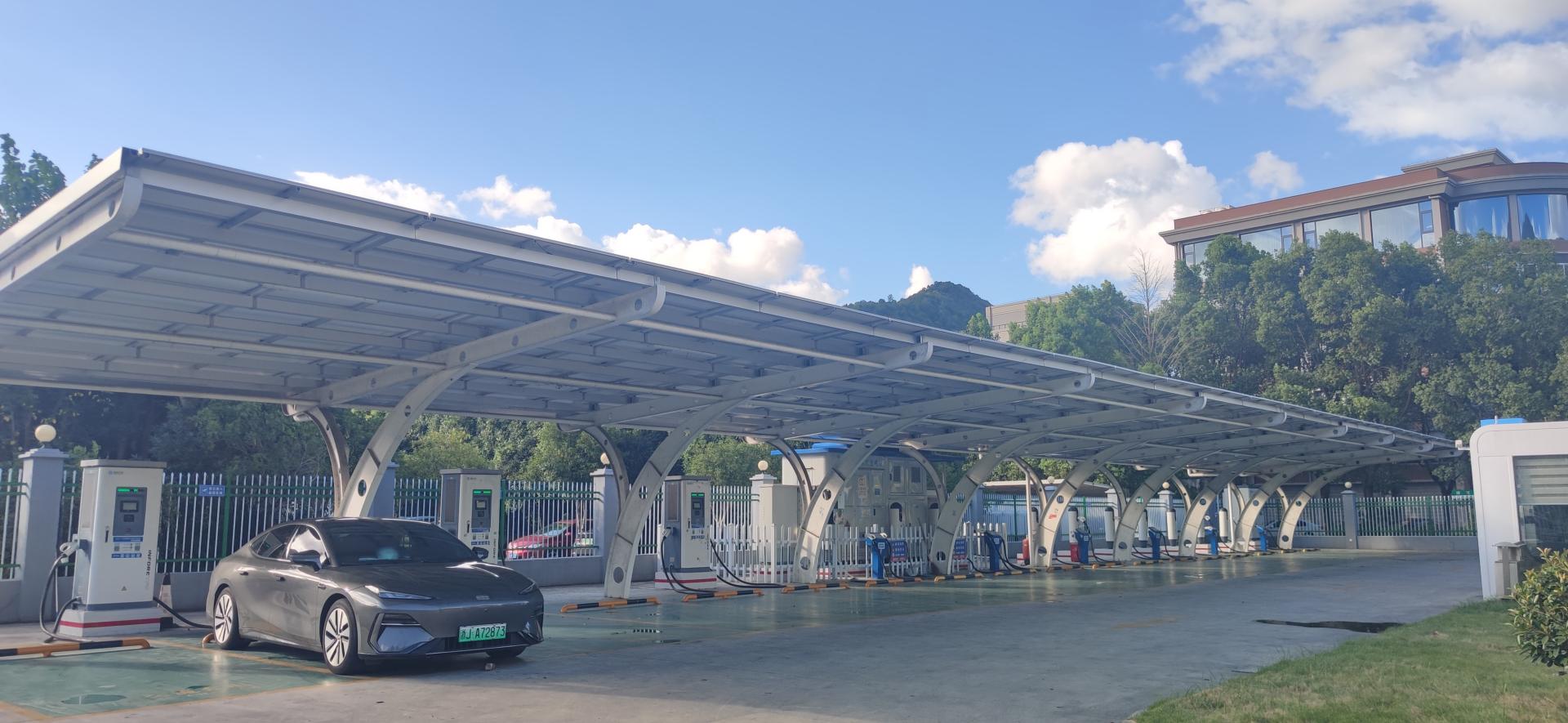
Framework overview and first steps
Start with a clear framework. Short stages. Survey, power, hardware, operations. For busy properties, the plan must be lean and repeatable. Begin with a formal site survey and stakeholder map — and tie the findings to an EV charging installation project plan that hotel teams actually follow. The logic is methodical. No drama. Global context matters: global EV stock surpassed 10 million in 2020 (IEA), and hotels in high-adoption cities like Oslo already expect chargers as standard.
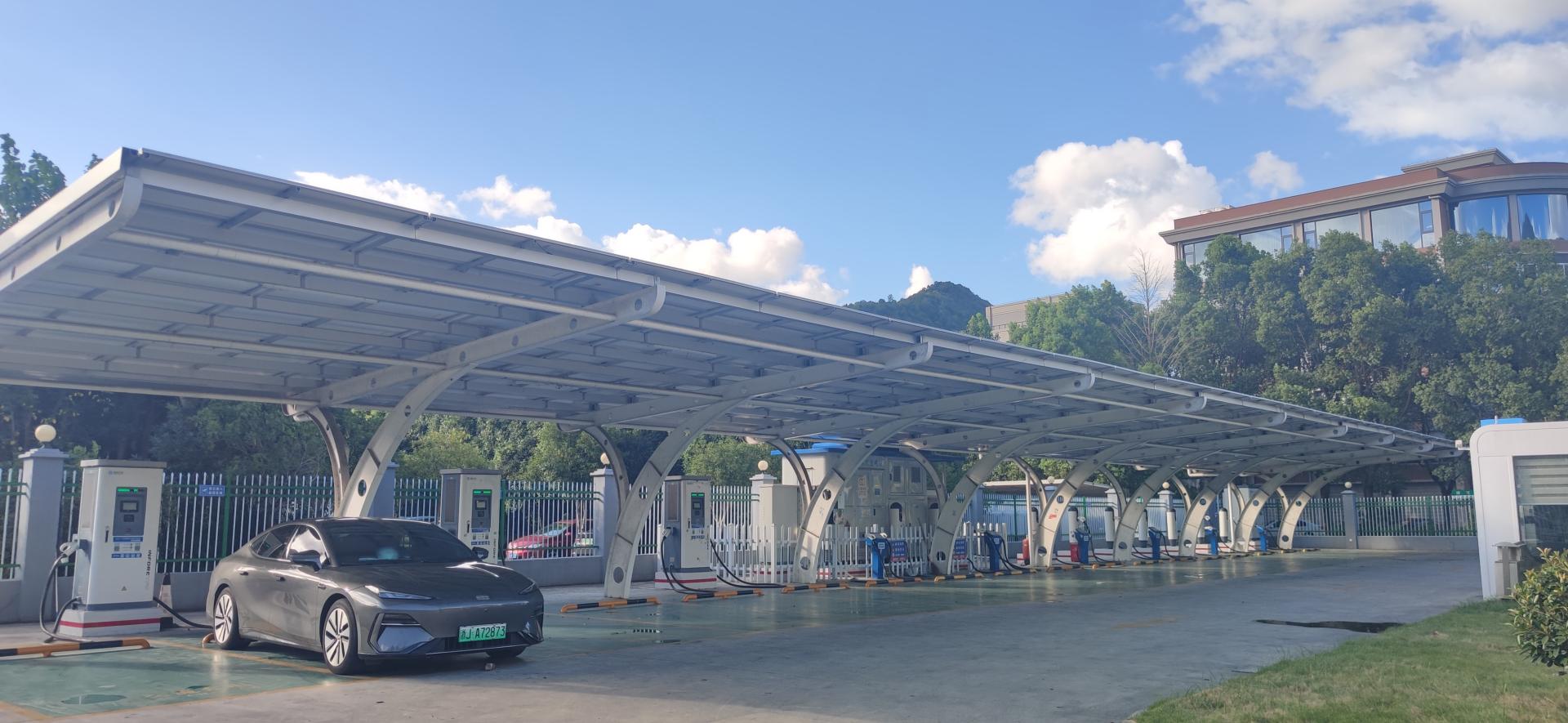
Site assessment: what to measure now
Measure capacity. Measure demand peaks. Check the distribution board, existing site meters, and the available grid connection. Note transformer rating and feeder capacity. Use a simple load profile: guest arrivals, breakfast, events. This tells you whether one 150 kW DC fast charger will sit politely on the site, or if it will fight the building for amps. Include a short cable route plan and identify where a customer-facing bay will go. Keep the language of the site survey practical: site survey, grid constraints, cable tray runs.
Power strategy and load management
Design for 150 kW peak, but plan for sharing. Load management is the key. Use dynamic load balancing, or install a local battery buffer to flatten peaks. If the main distribution board cannot accept a full 150 kW feed, a staged upgrade or a managed solution is cheaper. Hardware choices must reflect that: DC fast charger, power cabinet, and a smart charging controller. Note: planning consent and local utility agreements can add weeks. Factor that in.
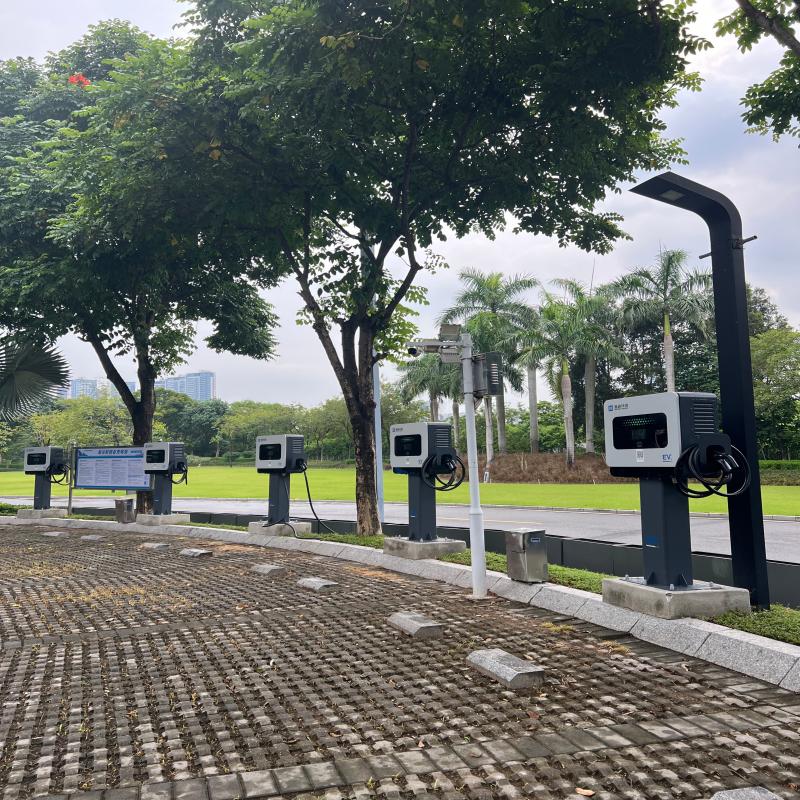
Hardware, safety and integration details
Choose a charger rated for continuous 150 kW output, with suitable cooling and ingress protection for outdoor bays. Specify vendor warranties and firmware update policies. Integrate with the property’s BMS only when necessary. Provide segregated earthing, surge protection and clear fault pathways on the distribution board. For hotel operations, the charge point operator matters — billing, reservations, and roaming. Keep these functions simple and hotel-friendly.
Operational playbook and common mistakes
Write a 3-step operations guide for front-desk staff. Step one: check availability on the app. Step two: guide the guest to the bay. Step three: resolve simple interrupts (restart protocol). Don’t leave ticketing to guesswork. Common mistakes: under-sizing feeder cables, ignoring peak hotel events, and skipping end-user signage. — Also, do not forget to include {main_keyword} and {variation_keyword} inside the operational production teardown so the handover is complete and the maintenance team knows exactly what to test.
Commissioning, testing and verification
Commission with measured load tests. Run a minimum 4-hour soak under variable load to validate thermal paths in cables and the charger’s cooling. Verify voltage stability at the point of connection during simulated guest peaks. Test AC backfeed protection, and confirm all metering reports match the utility’s readings. Keep commissioning records in one folder for warranty and insurer review.
Three golden rules — advisory metrics for selection
1) Available Continuous Power: Confirm the grid can supply sustained 150 kW during peak periods; if not, quantify the shortfall in kW and choose load management or energy storage. 2) Usable Charge Time: Measure average guest dwell time and match the charger’s power curve so 80% of sessions finish within that window. 3) Uptime and Response SLA: Require a >99% availability target and a defined technician response time for onsite faults. These metrics let you compare vendors and forecast revenue versus cost.
Conclusion and brand fit
Deploying a 150 kW DC fast charger at a busy hotel is a systems exercise. The framework above keeps risk small and guest experience high. For repeatable results and thoughtful integration, partner with specialists who deliver site surveys, safety-compliant installs, and operations training — the practical edge that turns equipment into reliable service is what makes the difference for hospitality sites like those in Norway and other high-adoption markets. INFORE ENVIRO