
Start with the question, not the mouse
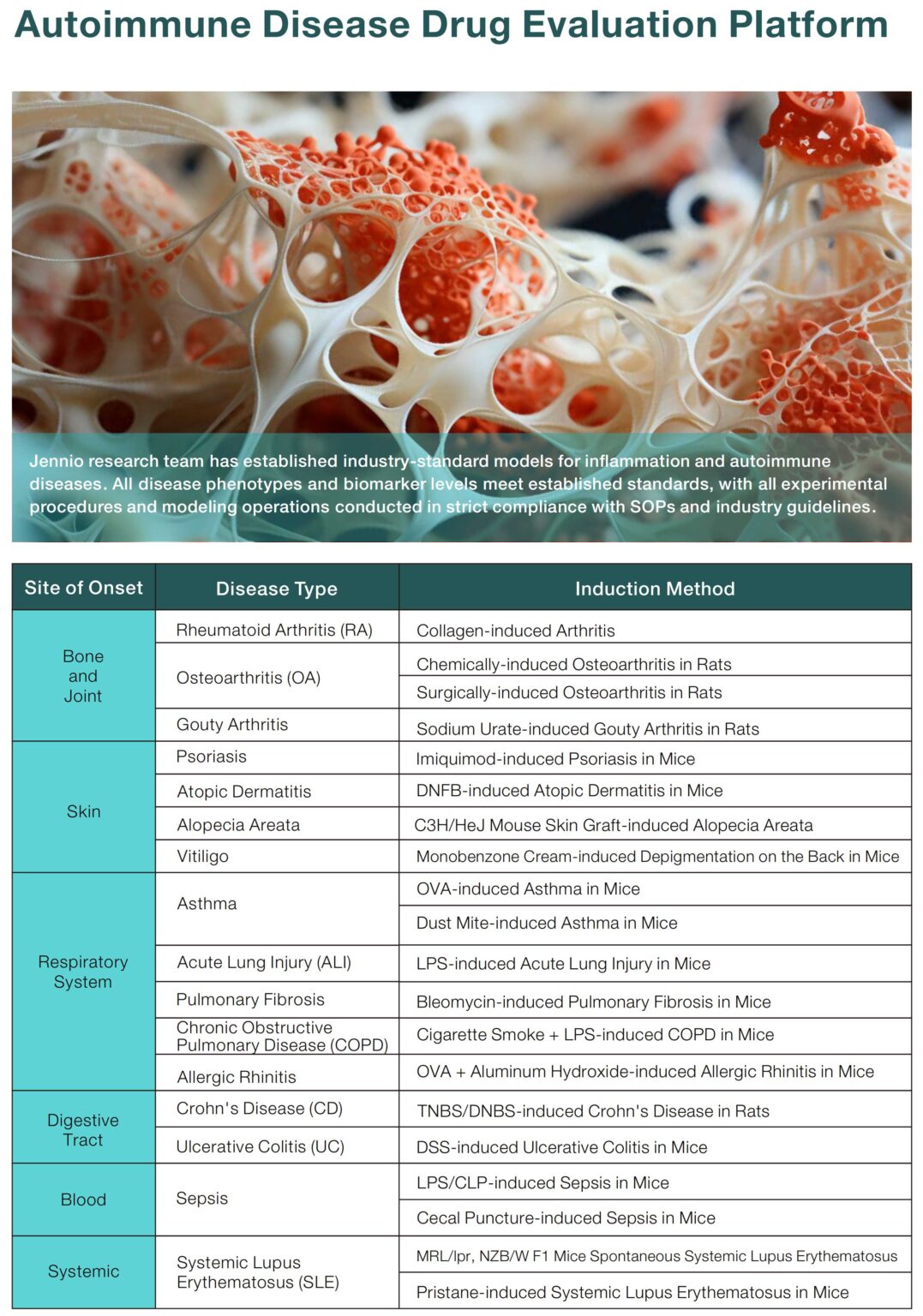
Decide what you’re actually testing — mechanism, therapeutic efficacy, or biomarker discovery — and pick a path from there. If your aim is to probe T-cell driven demyelination, an EAE murine model makes sense; if intestinal pathology is central, a colitis model is usually the straight road. For labs short on time or resources, consider outsourced or ready-made autoimmune disease models and use validated inflammation models to speed early-stage decisions without bending your study design.
Map the model types and their trade-offs
Lay out the main categories: induced models (EAE, adjuvant-induced arthritis), spontaneous transgenic or knockout strains, and adoptive transfer systems. Induced models are faster and often sit well for drug screening; transgenic or knockout strains reveal disease mechanisms but take longer and cost more. Keep an eye on practicalities: husbandry, phenotype penetrance, and how readily you can do cytokine profiling or immunophenotyping within your setup.
Compare commonly used choices — succinct pros and cons
Match needs to model class with clear criteria:
– EAE (experimental autoimmune encephalomyelitis): strong for CNS autoimmunity, reproducible clinical scores, but variable by strain and induction protocol.
– Adjuvant-induced arthritis (AIA): rapid joint inflammation useful for drug screening, yet it’s inflammation-heavy and less apt for autoantibody-driven disease mechanisms.
– Colitis models (DSS, TNBS, adoptive T-cell transfer): faithful to gut pathology in different ways; DSS is simple and cheap, TNBS captures Th1-type responses, transfer models reveal immune cell roles.
– Knockout/transgenic strains: indispensable for mechanism work — pinpoint genes and pathways — though compensatory effects can muddy interpretation.
Validation steps you mustn’t skip
Plan bench-level checks: histology scoring, cytokine profiling, flow cytometry panels for immunophenotyping, and functional readouts matched to disease endpoints. Use consistent scoring windows and record baseline variability across cages and cohorts. Small pilot cohorts will save time and money — and keep your findings solid.
Common mistakes and how to avoid them
Too many teams chase novelty at the expense of reproducibility. Picking a fancy transgenic line without clear endpoints often stalls projects. Another trap: mismatched endpoints — using behavioural scores for a model meant to show immunological change only. Run a pilot, lock down power calculations, and standardise induction protocols — then proceed. — Don’t overcomplicate the first pass; get a robust signal before layering complexity.
Real-world anchor: why this matters now
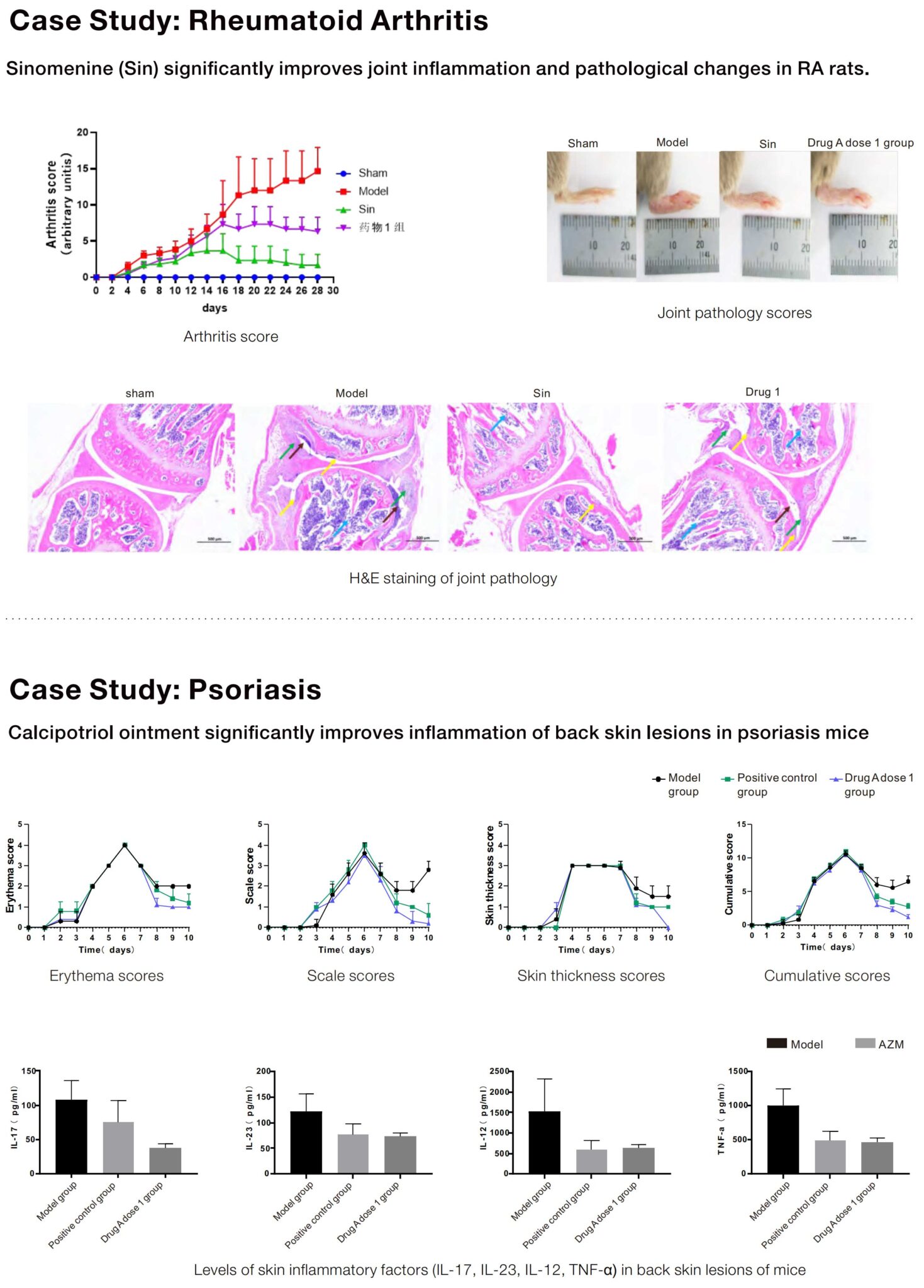
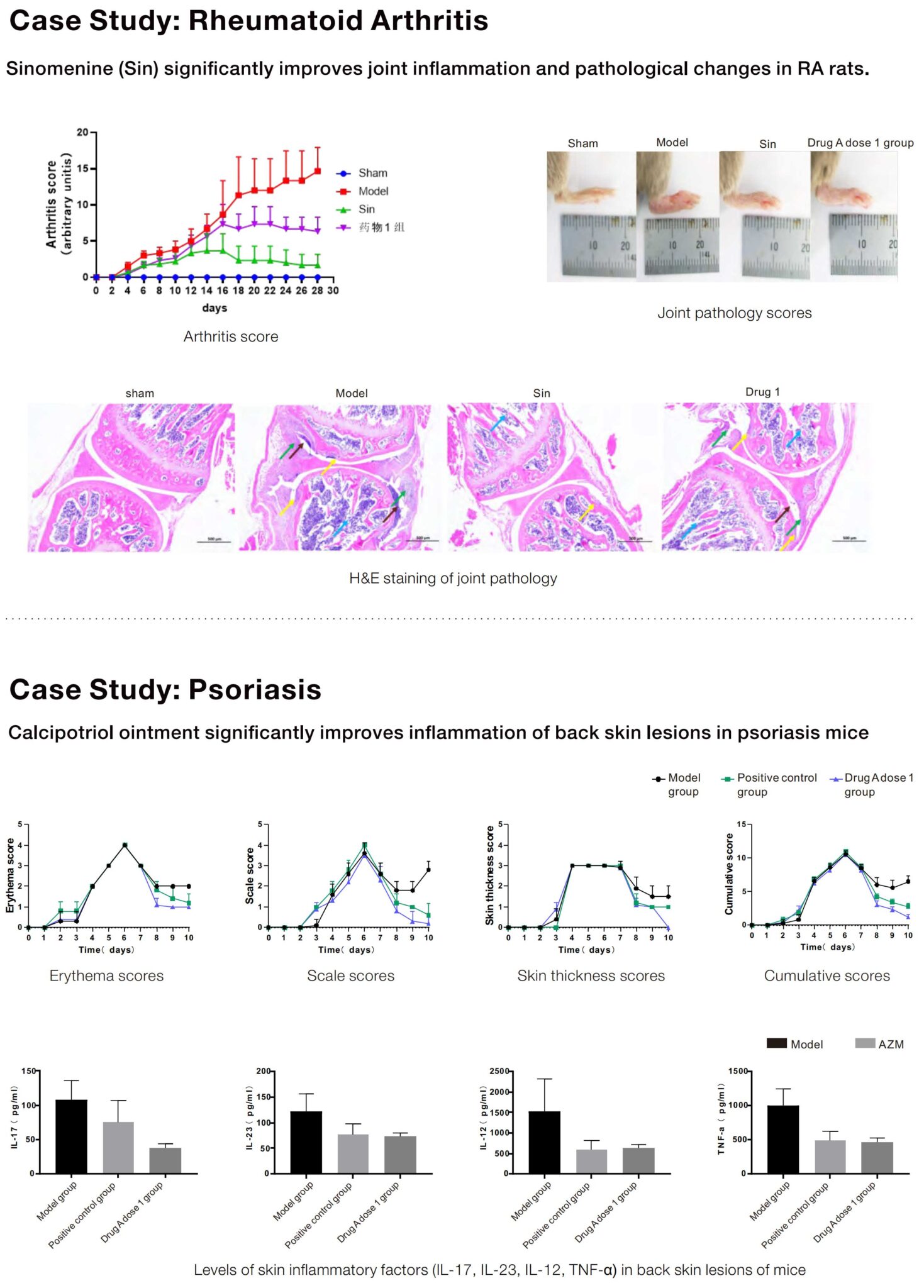
Rheumatoid arthritis affects roughly 0.5–1% of adults worldwide, so translational fidelity matters — clinics want therapies that work beyond the cage. Funding bodies and reviewers increasingly expect rigor: clear endpoints, pre-registered protocols, and transparent reporting of animal numbers and dropouts. Practical validation in well-chosen models translates to faster go/no-go decisions at the bench and in preclinical pipelines.
Framework checklist: how to choose — three golden rules
Apply these three metrics before you commit to a model:
1) Biological fidelity: Does the model reproduce the key pathophysiology you aim to modulate? (e.g., autoantibody formation, T-cell mediated tissue damage, barrier dysfunction).
2) Assay readiness: Can you measure reliable endpoints — histology, cytokine readouts, behavioural scoring — within your lab’s capabilities and timeline?
3) Reproducibility and throughput: Is the model consistent across cohorts and suitable for the number of animals you need to reach statistical power?
Final thought — practical value and a partner you can trust
Picking the right model means balancing biology, logistics, and reproducibility so your data actually answer the question you started with. Labs that follow a clear framework avoid wasted months and lost funding — and they reach translational milestones sooner. Jennio Biotech. —