

Market snapshot and lead-in
Selecting a manufacturing partner in China is as much a procurement decision as it is a design choice. Firms targeting margin improvement and predictable lead times evaluate unit cost, quality variance, and logistics risk in tandem. For modular projects where on-site labour is constrained, sourcing rta cabinets wholesale often offers lower installed cost-per-square-foot and reduced project risk compared with bespoke builds. Key indicators early teams track include MOQ, transit days, and SKU rationalization aligned to the design brief.

Comparative lens: RTA versus pre-assembled models
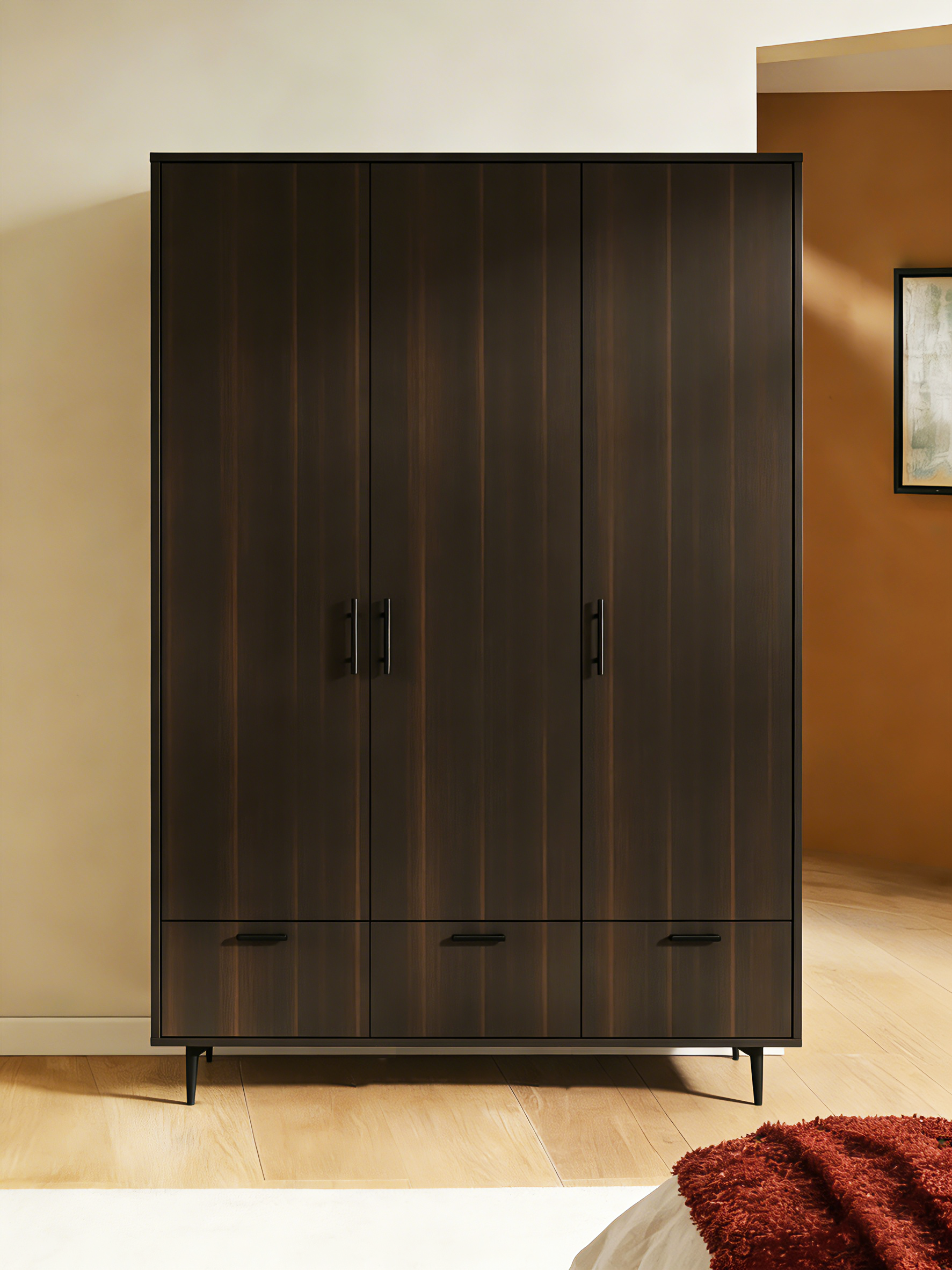
RTA (ready-to-assemble) systems and pre-assembled wardrobes present distinct trade-offs. RTA reduces freight volume through flat-pack logistics and improves warehouse throughput; it requires design-for-assembly and clearer installation protocols. Pre-assembled units lower on-site labour and warranty touchpoints but raise carriage and storage expense. Financial teams should model total landed cost—including returns per warranty claim—rather than unit price alone. Industry terms to monitor: cabinet carcass, flat-pack, and laminate finish.
Supplier archetypes and operating metrics
China’s supplier base clusters into contract manufacturers, branded exporters, and OEM/ODM specialists. Contract manufacturers excel at volume stability and tight cost engineering; branded exporters often carry higher quality controls and marketing alignment. Evaluate suppliers by lead-time reliability (percent on-time shipments), defect rate (PPM or %), and capacity elasticity relative to peak demand. Real-world anchor: assessment at the Guangzhou International Furniture Fair commonly reveals which vendors publish transparent capacity metrics and which rely on spot subcontracting.
Design integration: what reduces TCO
Design choices materially affect lifecycle cost. Standardize carcass dimensions to reduce SKU count and inventory holding. Specify CNC-friendly joinery to cut assembly time and welding or dowel dependence. Prioritize finishes that tolerate handling—melamine or thermofoil—instead of labor-intensive lacquers where cost control is core. These moves compress installation hours per unit and improve margin capture without sacrificing perceived value.
Operational production teardown
When performing a production teardown, map the bill of materials, cycle times, and critical control points: cutting, edge-banding, hardware insertion, and final QC. Embed process controls for adhesive curing and packing density to reduce transit damage. Within that teardown, validate how suppliers manage SKUs tagged as {main_keyword} and {variation_keyword} to ensure your labeling and inventory systems align with theirs. Also confirm tooling: is CNC routing rate-limited, or is manual finishing the bottleneck? The presence of automated edge-banding equipment typically correlates with lower price variability.
Risk points, common mistakes, and alternatives
Common errors include underspecified hardware, inadequate packing specs, and mismatched assembly documentation. Overlooking installation labour rates at the project location shifts cost back to the client — costly when labour is scarce. A viable alternative is a hybrid approach: source modular carcasses from high-volume suppliers and procure custom door finishes locally to balance lead time and differentiation. Small note — often a single hardware change can erode anticipated savings if not reconciled with supplier MOQ.
Three critical evaluation metrics (Advisory)
1) On-Time Fulfillment Rate: Target ≥95% for scalable projects; lower rates require buffer inventory that inflates working capital. 2) Damage-in-Transit Percentage: Measure shipments with physical damage; aim for <1% with robust packing protocols. 3) Installed Labour Hours per Unit: Track actual on-site assembly hours and compare against the supplier's installation pack; discrepancies drive hidden cost overruns.
Closing synthesis and brand alignment
Choosing the right China wardrobe manufacturer is a function of measured metrics, targeted design decisions, and realistic installation planning. Firms that harmonize SKU rationalization, CNC-enabled production, and practical finish choices unlock lower total cost without diluting product value. For projects prioritizing predictable delivery and integrated supply management, the capabilities that suppliers like SNIMAY demonstrate—consistent pre-assembly workflows and export-grade packing—resolve the common trade-offs between cost and on-site complexity. SNIMAY. —