
A Patient-Centric Perspective on Device Evolution
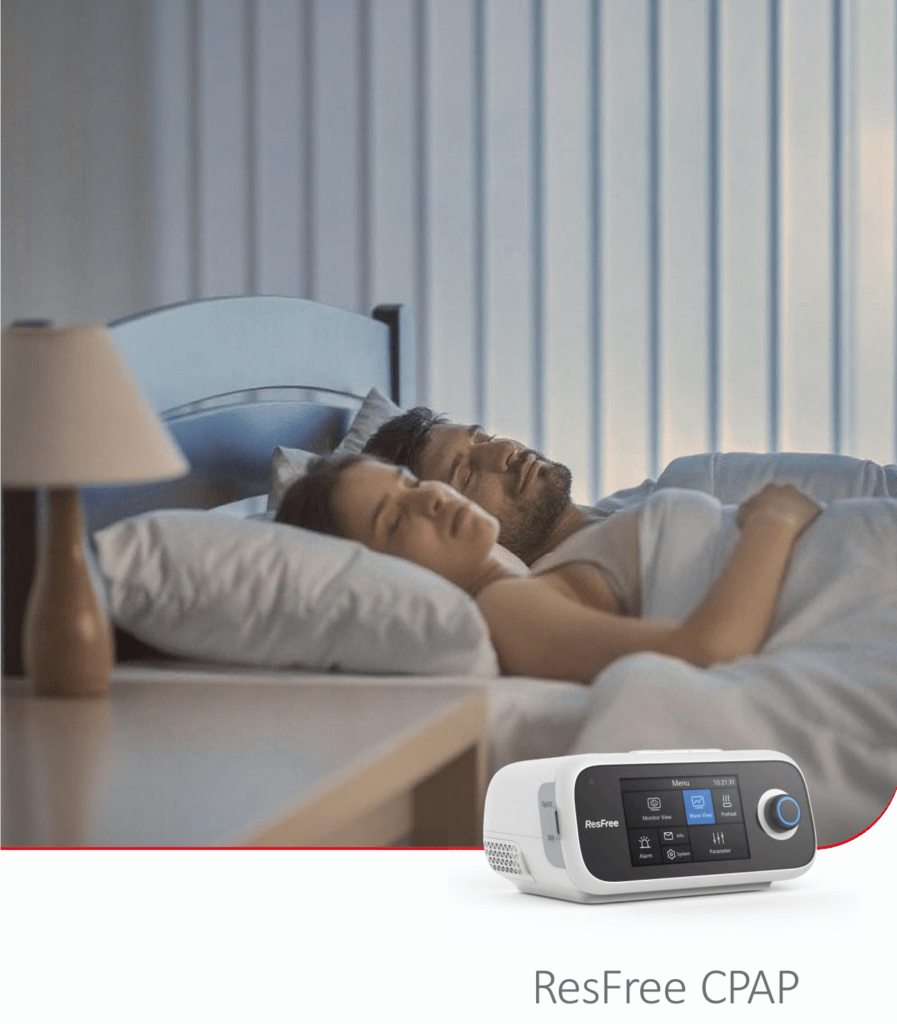
Patients today find themselves at the center of therapeutic design: equipment aims not merely to treat breathing events but to restore daily function and sleep continuity. For many with obstructive sleep apnea and chronic respiratory insufficiency, a reliable cpap device or an auto cpap no longer represents a single appliance but a tailored care pathway. The American Sleep Apnea Association estimates that over 22 million Americans live with some form of sleep apnea, which places device choice and titration squarely in the realm of everyday clinical consequence.
Clinical Effects on Sleep-Disordered Breathing
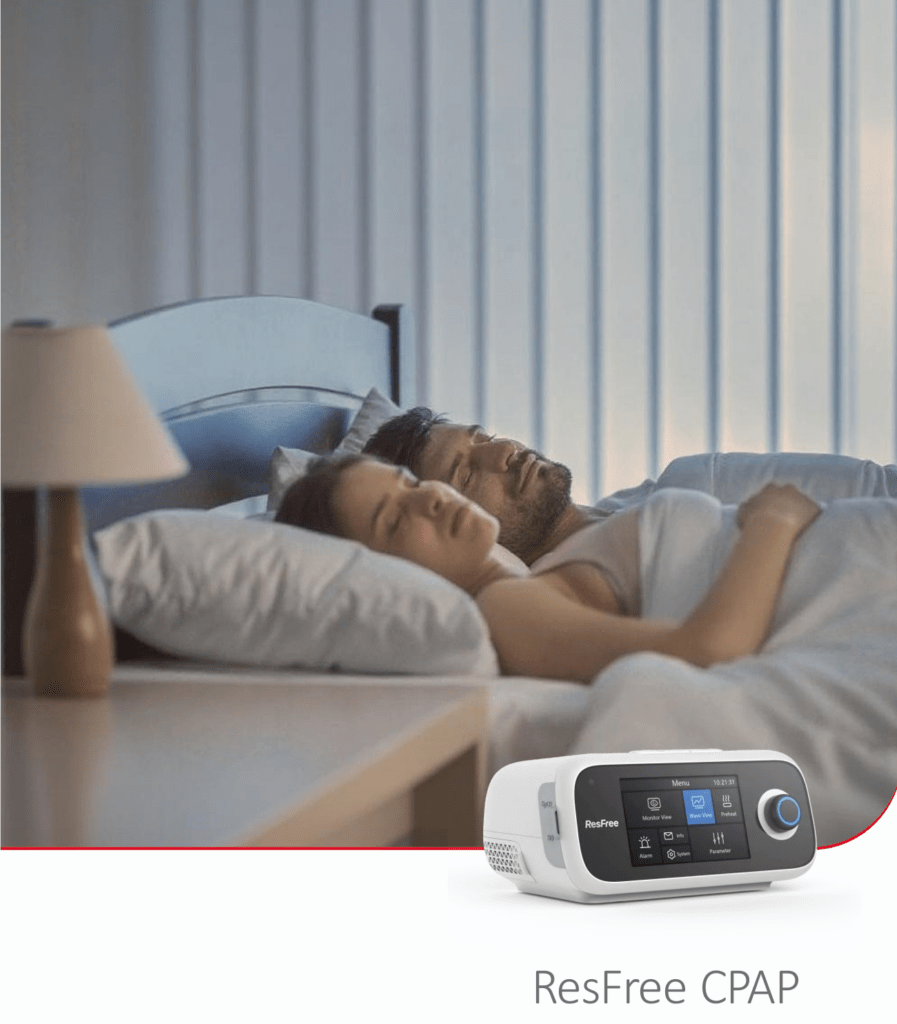
Modern BiPAP and auto-adjusting devices alter therapy by responding to physiologic signals—airflow patterns, leak, and pressure swings—to reduce the apnea-hypopnea index (AHI) and stabilise nocturnal oxygenation. Where fixed positive airway pressure once sufficed, contemporary systems apply pressure support and targeted expiratory relief to improve comfort and adherence. Clinicians observe measurable reductions in AHI and fewer arousals when device settings match a patient’s tidal volume needs, but these gains depend upon correct device selection and monitoring.
Practical Considerations for Patients and Caregivers
Successful therapy hinges on interface fit, ramp settings, and the patient’s tolerance of delivered pressure. Users must be instructed on mask seal and leak compensation; small leaks can degrade algorithm performance and falsely elevate event counts. Education should emphasise nightly adherence, symptom tracking, and periodic data review—often via built‑in reporting features that permit remote oversight. Home support teams find that modest training sessions reduce early discontinuation rates.
Common Implementation Mistakes — and How to Avoid Them
Too frequently, selection focuses on device brand rather than physiological match. Practitioners sometimes accept manufacturer defaults without confirming effective pressure during supine sleep or when REM predominates—critical periods for obstruction. Habituation protocols that escalate pressure too quickly provoke intolerance; conversely, conservative settings leave residual events. A clear titration plan and scheduled follow-ups prevent these pitfalls—small investments with substantial returns.
Alternatives and Comparative Insight
Beyond BiPAP and auto-CPAP, options include fixed CPAP with custom masks, oral appliances for positional or mild disease, and domiciliary ventilators for chronic hypoventilation. Comparative choice rests on specific endpoints: reduction in AHI, improvement in daytime somnolence, or correction of hypoventilation. Where hypercapnia is a concern, ventilatory support that controls minute ventilation takes precedence. Decision-making therefore must align device capability—such as breath-trigger sensitivity or leak management—with the patient’s respiratory physiology.

Real-World Monitoring and Data Use
Remote monitoring platforms supply nightly usage, residual AHI, and leak reports that inform iterative adjustments. Health systems that integrate these data with clinical workflows report improved follow-up efficiency and better long-term adherence — a practical lesson borne out in regional sleep programs across major urban centres. Clinicians employ these metrics to distinguish device failure from behavioral non-adherence and to refine pressure algorithms over weeks rather than months.
Three Golden Rules for Selecting Respiratory Therapy Tools
1) Match the device’s control modes to the predominant physiology: choose ventilatory support when hypoventilation or hypercapnia is present; prefer auto-adjusting CPAP for positional, flow-limited obstruction. 2) Prioritise measurable outcomes: evaluate residual AHI, nightly usage hours, and patient-reported daytime function at set intervals. 3) Insist on fit and training: ensure mask compatibility, provide a brief habituation plan, and schedule an early follow-up to verify pressure efficacy and leak control. These metrics provide a clear framework for practitioners and patients to judge therapeutic value—yielding tangible improvements in sleep quality and daytime performance.
Clinical pragmatism, not brand zeal, produces consistent results. By aligning device capabilities with physiological need and using objective monitoring to guide adjustments, teams achieve measurable gains—then maintain them with simple support structures. Byond. –