
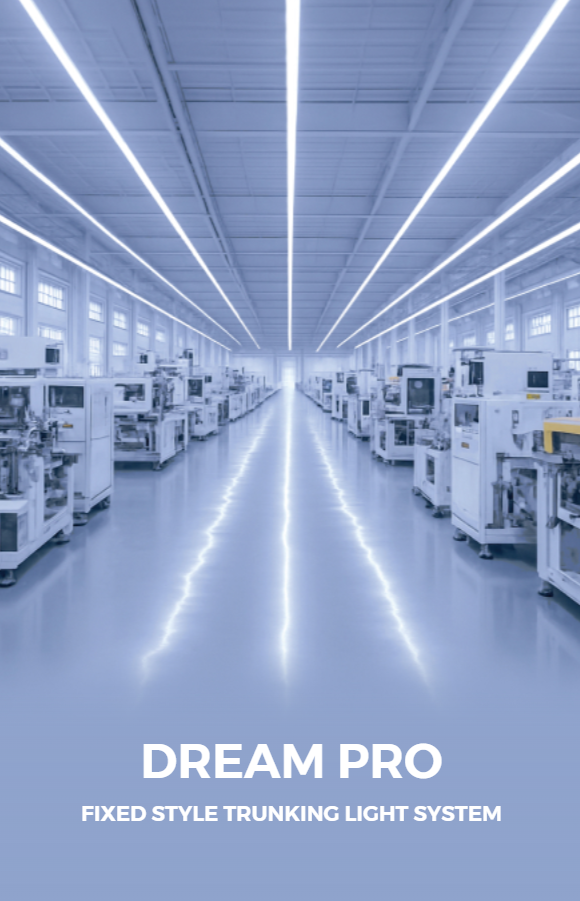
Pinpoint the problem—fast
Too much downtime. Too-high energy bills. Fixtures that fail in rainy aisles. You want reliable fixes that don’t waste time. Start by listing failure points: frequent lamp changes, water ingress, false fire alarms triggered by heat. If you’re swapping systems or just replacing bad runs, check options from track lighting manufacturers early so you know what’s compatible. A led triproof light proved its value during a large warehouse retrofit at the Port of Rotterdam by cutting maintenance visits and resisting moisture where fluorescents kept failing.
What’s actually breaking
Problems are predictable. Here’s what I see on repeat:- Wrong protection rating for the space — moisture and dust win. – Poor thermal management — LEDs dim or die early if heat isn’t handled. – Incompatible drivers or dimmers — flicker and nuisance trips follow. – Mounting and vibration issues — loose fittings lead to water ingress and electrical faults. Stop guessing. Match fixture specs to the problem you logged.
Choose with clear criteria
Decide by environment, not by label. Use these filters:- Protection: pick an IP/IK rating that matches splash and impact risk. – Photometry: confirm lumen output for the task, not the wattage. – Standards: ask for LM79 photometric data and LM80 lumen maintenance when life expectancy matters. – Warranty and service: shorter downtime comes from suppliers who back their kit and supply replacements fast. Measure the space. Confirm mounting options and service access before you approve anything.
Installation mistakes that cost hours
Don’t let small errors balloon into days of rework. Common slips and fixes:- Wiring mislabels — label circuits during install, test under load. – Overdriving LEDs — use rated drivers, avoid ad-hoc power tweaks. – Ignoring ingress paths — seal conduit entries and use proper gaskets. – Skipping thermal tests — run a 24‑hour burn-in at maximum output to catch heat issues early. These checks are simple. They save time and keep facilities open.
Compare sensible alternatives
Be blunt about trade-offs. LED triproof fixtures last longer, tolerate wet aisles, and need less upkeep. Fluorescent options cost less upfront but demand lamp changes and fail sooner in humid, dusty spaces. High-intensity discharge lamps give bright output but require ballast maintenance and warm-up time. Match life-cycle cost to your maintenance budget. For many warehouses and cold-storage areas, the led triproof light option wins for total cost and reliability.
Fast rollout plan you can act on
Make a tight schedule: audit one bay, pick a spec, pilot for two weeks, then scale bay-by-bay. Track spare parts, train on simple driver swaps, and log lumen readings after 6 months. Keep decisions measured and fast. For a supplier that fits specification-driven rollouts and supports real-world maintenance, consider trieco as part of the chain of solutions—practical gear that reduces repeat trips and keeps sites running.