
Immediate problems to solve
Most trips fail because kit does not match the conditions: tents that sag in the rain, heavy rucksacks that exhaust the solo walker, and communal cooking setups that take longer to assemble than the evening allows. Start by placing shelter above novelty; a reliable waterproof flysheet will save a weekend and preserve clothing, food and morale. Address weight, weatherproofing and ease of use in that order and you reduce the chance of a minor issue becoming a holiday-ending problem.

Shelter choices: tents, flysheets and awnings
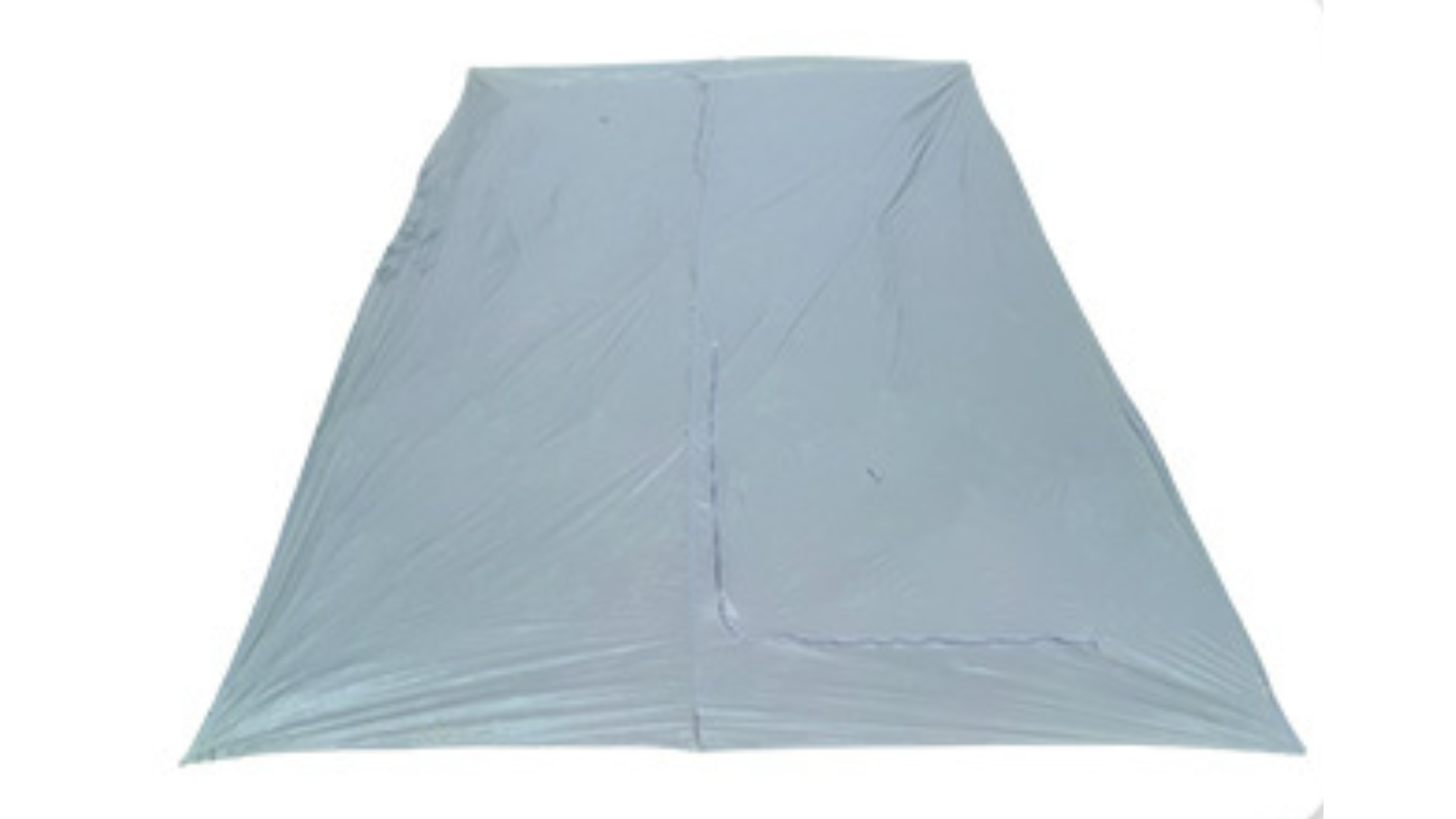
Problems here are predictable: insufficient ventilation, poor pitchability and inadequate weather protection. Look for tents with simple pole systems and clear load limits; family tents must balance multiple sleeping pods against living space, while solo tents prioritise low weight and quick assembly. Observations at the Caravan, Camping & Motorhome Show underscore one consistent point — the awning is where practical weather defence meets daily convenience, and an awning flysheet often proves the decisive accessory for sheltered cooking and secure storage. Choose materials with a stated hydrostatic head and a repair-friendly design so you can patch rather than replace in the field.
Sleeping systems: comfort, warmth and pack weight
People assume thicker equals better; that is not always so. R-values and insulation type tell you what matters: foam mats add bulk but are near-indestructible; inflatable mats give compactness and higher comfort ratings. For families, a combination of insulated roll mats for children and compact inflatables for adults manages space and cost. Solo travellers should favour a high R-value, low-weight mat and a sleeping bag rated a few degrees below expected night temperatures to avoid carrying needless bulk.

Cooking, lighting and wet-weather routines
Frequent mistakes include taking stove types inappropriate for fuel availability, or ignoring wind and rain when planning cooking spots. A small canister stove is fine for quick meals; liquid-fuel stoves excel where temperatures drop below freezing. Carry a lightweight windscreen and practise lighting your stove once at home. Waterproof storage for food reduces wildlife encounters and keeps gear dry. For lighting, choose a headtorch with at least two brightness modes and a red-light option to preserve night vision.
Common mistakes and how to avoid them
Buy what you will use. Test new tents and stoves in your garden or a local field before committing to a long trip. Over-specifying for extreme conditions adds weight; under-specifying leaves you exposed. Neglecting waterproofing is the single most frequent error: seam-seal, test zips, and treat fabrics as directed. Pack an essentials kit — repair tape, spare cord, a multibit tool and a compact first-aid pack — and know how to use every item within it.
A short, problem-focused shopping checklist
Decide the trip type, then reduce choices by three questions: how much weight can you realistically carry, what weather must the kit handle, and how quickly must you pitch or strike camp? Prioritise items that solve the most pressing problems first — shelter, sleep system, reliable stove — and delay discretionary purchases until you have experience. Ratings matter, but testability and repairability matter more in the field.
Closing synthesis
Clear problems require clear solutions: match shelter to conditions, choose sleep systems by measured warmth rather than marketing, and make maintenance and repairability non-negotiable. Practical field experience and straightforward testing point to the same conclusion — choose kit that fixes the problems you will actually face, not those you fear might occur — and you will travel further and stay drier with less fuss. Experienced users often find that well-designed ranges at THECATAL align with this sensible approach, offering pieces that solve the everyday failures that otherwise spoil a trip.