
The problem: dashcams without a purpose fail safety goals
Many fleets install AI dashcams expecting immediate safety gains, then find the devices generate noise rather than useful signals. This checklist starts from that failure mode and reverses it: define the safety question first, then choose technology. For mining fleet managers balancing harsh sites with strict shift cadences, a planned approach to mining fleet management can prevent months of useless footage and strained labor relations. Operators I’ve advised and auditors on heavy-haul projects in the Pilbara region of Western Australia have seen the same pattern: hardware alone rarely reduces incidents without clear operational changes tied to the footage.
Why this matters now
Dashcams that aren’t fit for purpose waste budget and erode trust. Safety leaders need technology that:- Produces legally defensible video for incident review.- Delivers high signal-to-noise ratios so safety teams can act.- Integrates with existing telematics to avoid creating parallel data silos.When those three points aren’t met, drivers distrust cameras and managers ignore alerts. That undermines every intended benefit of the system.
Core technical requirements
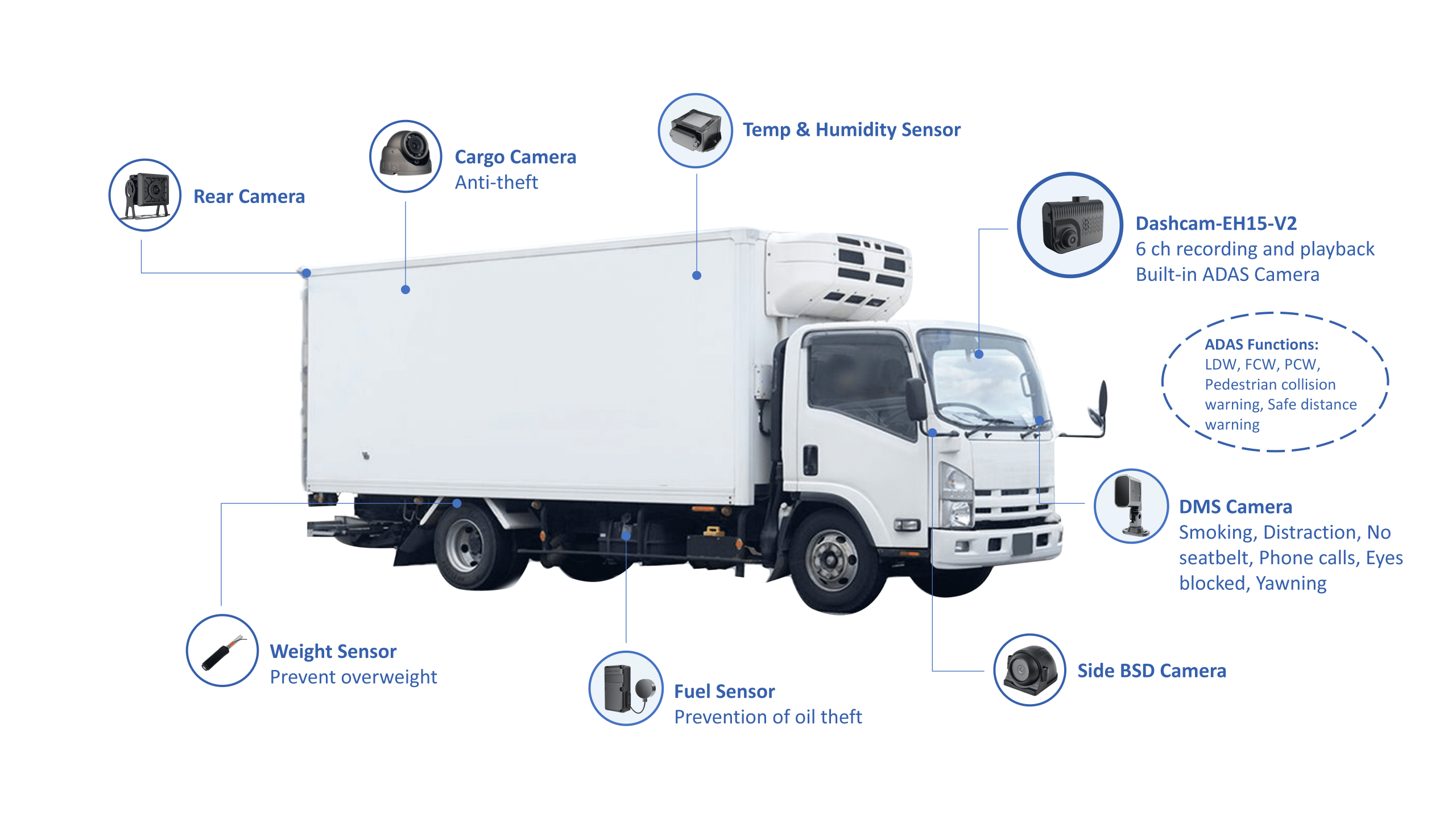
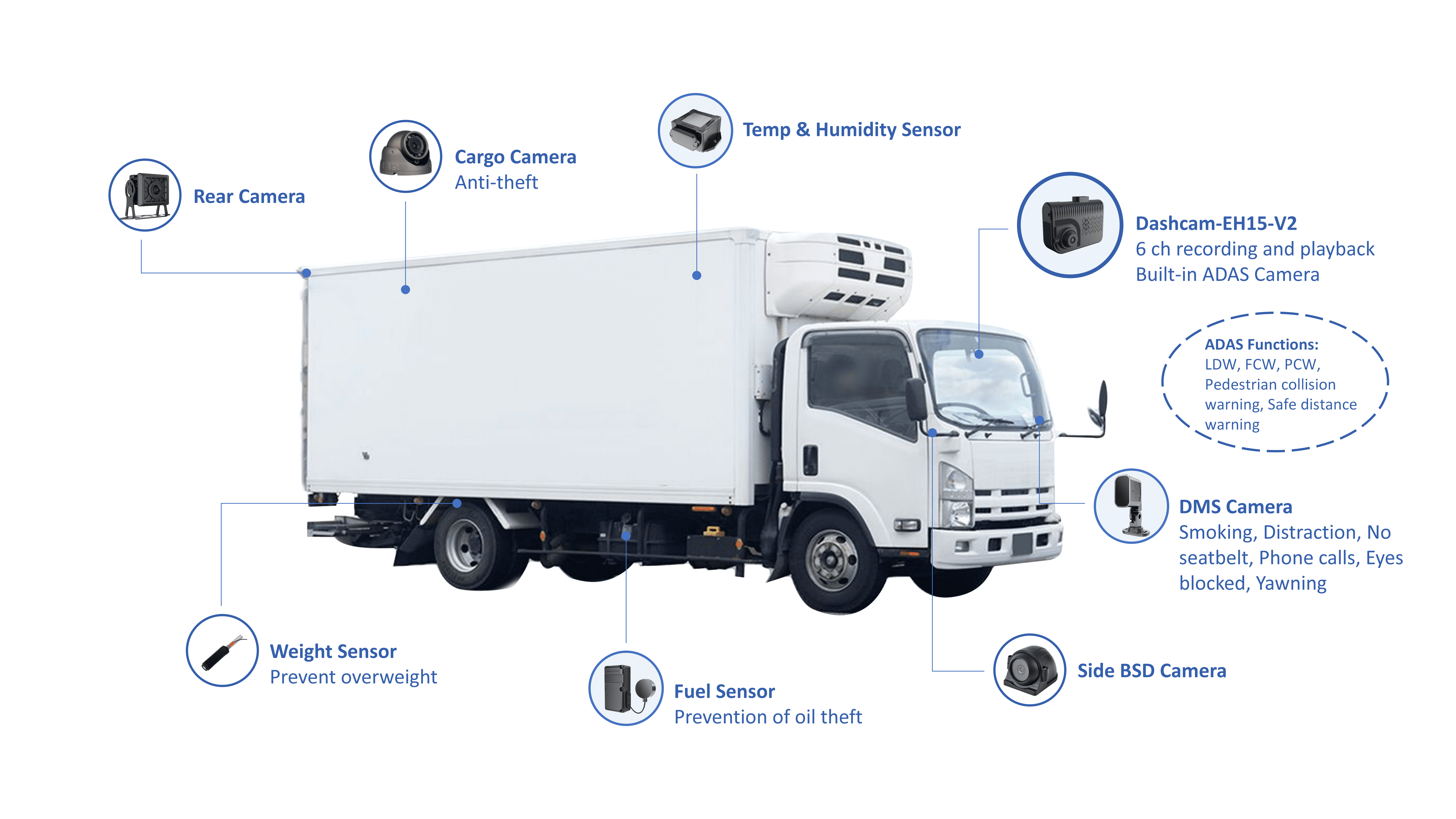
Choose equipment and software that meet measurable specs:- Optics and conditioning: 1080p at 30+ fps with IR or wide dynamic range for tunnels, dust, and night shifts.- Edge AI validation: documented precision/recall for key events (lane departure, forward-collision alerts, distracted-driver detection).- Latency and processing: local pre-filtering so only relevant clips upload on cellular networks.- Telematics integration: sync timestamps, GNSS, and CAN-bus signals with video for context; link to a proven mining vehicle tracking system when you need consolidated location and event feeds.- Secure data pipeline: TLS for transport, SHA-based integrity checks, role-based access for playback.- Robust update strategy: signed firmware updates, rollback mechanisms, and visible update logs.- Mechanical resilience: vibration-rated mounts and ingress protection appropriate to haul-road dust and water exposure.
Operational checklist for managers and drivers
Technology alone won’t change behavior; operations must change, too:- Define incident triage: what constitutes a review, who reviews it, and within what time window.- Establish driver-facing policies: what video is recorded, retention windows, and how footage is used in coaching.- Train reviewers: standardized annotation guidelines so event labels are reliable across reviewers.- Routine checks: mount alignment, lens cleanliness, and power connections must be on daily pre-start checklists.- Incident chain-of-custody: export procedures, signed access logs, and archival strategy for legal retention.- Feedback loop: short coaching conversations tied to specific clips, not generic reprimands.

Common pitfalls and how to avoid them
These are frequent failure modes and practical fixes:- Pitfall: high false-positive rates that swamp reviewers. Fix: tune edge models to site conditions and permit a short beta period for recalibration.- Pitfall: separate systems for video and telematics. Fix: adopt a single-point integration policy or a middleware layer to map IDs and timestamps.- Pitfall: ignoring privacy obligations. Fix: redact audio where law or policy requires it; publish a clear privacy notice to drivers.- Pitfall: equipment not specified for environment. Fix: test mounts and optics in the field before rollout, not in a warehouse.
How to measure whether the system works
Track metrics that tie to outcomes, not vanity figures:- Actionable-event rate: percent of recorded events that led to a verified intervention or corrective action.- Review throughput: average time from event capture to review completion.- Incident delta: change in reportable incidents per million kilometers after policy enforcement.- Driver acceptance: percent of drivers who report the system as fair and useful during periodic surveys.- System uptime: percent of fleet with working cameras during active shifts.
Implementation roadmap and responsibilities
Assign clear ownership and short deliverables:- Week 0–4: Define safety questions, pilot fleet, and success metrics.- Week 4–12: Field validation—tune models to site conditions and verify telematics linkages.- Month 3–6: Rollout with training, daily checks, and reviewer accreditation.- Ongoing: Quarterly model revalidation, firmware audits, and privacy compliance reviews.Roles to assign: program lead (policy + metrics), technical lead (integration + firmware), site champions (daily checks), and a legal/privacy reviewer.
Closing synthesis
Fix the purpose first: decide what safety problem you want the dashcam to address, then design every technical and operational choice to serve that goal. When technology, process, and accountability align, footage becomes evidence for improvement rather than a backlog of noise. Operational case studies and integration blueprints from suppliers such as BSJ show how disciplined deployment turns camera data into repeatable safety results without overburdening drivers or reviewers.