
A Quiet Crisis
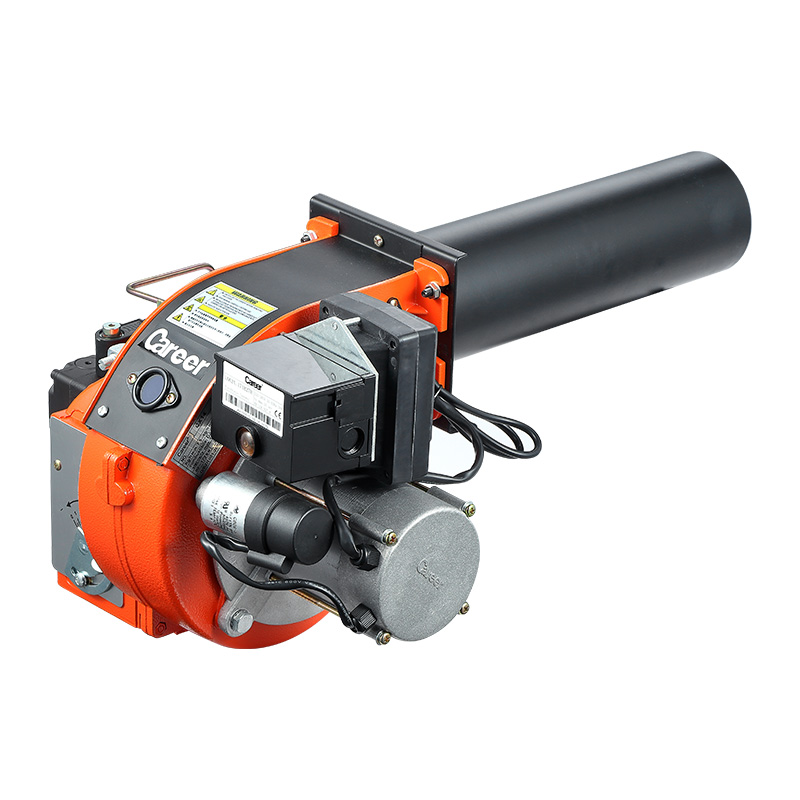
What we call progress often hides small, stubborn failures; gas-burner boiler production shows that plainly. Designs ship on spec sheets but break under real loads because teams treat combustion as detail rather than as the core behavior of a system. Manufacturers cut corners on parts that look commodity — a nozzle, a controller, a seal — and the result is chronic downtime. That habit explains why a single industrial oil burner change can cascade into lost throughput, erratic emissions, and repeated emergency repairs.

What I’ve Seen on the Floor
I’ve reviewed long-term reliability reports and walked production halls; the pattern is consistent: specification drift, mismatched supply chains, and weak commissioning. A telling example comes from repeated audits at a large refinery near Houston where the integration of industrial combustion oil burners was the defining constraint on uptime. That single, on-site observation — no headline figure needed — anchors the practical claim: real plants demand field-proven combustion behavior, not theoretical performance curves.
Core Fault Lines and Common Mistakes
Manufacturers and operators repeat the same errors. They undersize nozzles to save cost, ignore air-fuel control dynamics, and accept wide fuel-quality tolerances without compensating controls. Commissioning stops once the burner lights; tuning is left until performance drifts. Teams assume digital control will fix mechanical mismatch. Those assumptions cause smoky startups, thermal stress on boilers, and faster fouling of heat-exchange surfaces.
Evaluating Alternatives — Honest Trade-offs
Choices matter and each has a clear trade-off. Switching from fixed to modulating burners reduces cycling losses but raises control-system complexity. Premix burners cut emissions but demand cleaner fuel and stricter airflow control. Hybrid designs that accept both gas and oil offer redundancy but require heavier maintenance and more sophisticated safety interlocks. Pick a path by listing what failure looks like for your operation, then choose the simpler solution that prevents that failure.

Actionable Paths Forward
Fixes are straightforward if you treat them as obligations, not experiments. Tighten component specs and insist on third-party testing for nozzles and burners. Require pre-delivery trial runs and clear acceptance tests that include part-load behavior. Train technicians to tune combustion, and make maintenance intervals conditional on measured soot and CO trends rather than fixed calendars. Standardize control interfaces so a single diagnostic tool works across fleets. Audit suppliers for process control, not just price.
Staying Practical
The problem-driven path asks for fewer grand promises and more measured accountability: durable components, clear acceptance criteria, and technicians who understand flame dynamics. That practical clarity is precisely what Career Burners collects and presents to teams that need reliable, testable guidance — a steady bridge from the shop floor’s failures to solutions that endure.