
When Mirror Moments Meet Smart Choices
You’re getting ready for a milestone event and you notice the lines that have crept in around your smile. The best injectable fillers show up in every search, but the advice feels mixed and a bit loud. In one survey, over 60% of first-time patients said they felt unsure about product differences, and many delayed treatment because of it. So here’s the big question: how do you compare options without getting lost in hype?
Let’s set the scene. You want natural lift with low risk and a plan that fits your day-to-day life. You also want simple language and a steady guide (no drama, please). If we compare products by what they do in tissue—not just brand buzz—we can reduce guesswork and improve results. And we can do it in a steady, parent-friendly way. Think routine, not rush. Look, it’s simpler than you think—once you know what to look for. Let’s move from noise to clarity in the next section.
Hidden Pain Points That Skew Your Choice
What’s the real sticking point?
A consultation with a trusted dermal filler specialist should feel clear and calm, yet many people leave with new doubts. The quiet pain point is not only fear of needles. It’s mismatched expectations. Old advice often focuses on “deep vs. superficial” placement without explaining product behavior. Terms like rheology, G-prime, and cross-linking density sound abstract, but they explain how a gel holds shape, spreads, and resists compression. When these are ignored, results vary by area—tear troughs, nasolabial folds, cheeks—in ways that surprise patients. And surprises are the worst. — funny how that works, right?
There’s also a workflow gap. Some providers default to the same gel for most faces. That can raise risk of the Tyndall effect under thin skin or cause stiff smiles with high G-prime products in mobile zones. Cannula vs. needle choice matters too. A microcannula can reduce bruising and help with even layering; a needle can place precise boluses but needs careful control. Techniques like retrograde threading or fanning are not just “styles.” They change how viscoelastic gels settle and integrate. When you know the “why,” aftercare makes more sense (ice, gentle motion, and time). A specialist who translates these factors into plain steps protects you from overcorrection and saves you from costly touch-ups. That is the heart of better decisions.
What’s Next: New Principles and Smarter Comparisons
Let’s look forward with clear rules of thumb. Modern hyaluronic acid gels use tuned cross-linking to adjust spread, lift, and durability. Some are monophasic and cohesive for smooth planes; others are biphasic for defined structure. Newer design focuses on tissue integration while keeping a stable rheological profile in motion. That means your smile, laugh, and talk still look like you. In comparative terms, think “fit to function,” not just “soft vs. firm.” A thoughtful plan may pair a structural cheek gel with a lighter tear trough gel, then finish with a pliable option for fine lines—layered, not loaded.
On the practical side, ultrasound-assisted mapping is gaining traction for safer paths and smarter depth control. And products labeled as sodium hyaluronate injection continue to evolve with better cohesivity and lidocaine buffering for comfort. Biostimulatory options add another lane, promoting collagen over months—but they ask for patience and precise placement. Technical, yes. But it points to a simple idea: pick by task and tissue. Not by trend. Not by fear. (And yes, that matters.)
Here’s how to apply all of this in real life. First, compare not just brands, but performance in your target zone. Cheeks need lift and a higher G-prime; lips need flexibility and soft edges; under-eye areas need low swelling and gentle flow. Second, ask how the technique matches the product: microcannula for smooth planes, needle for controlled support. Third, plan the timeline. Some gels peak after mild swelling drops; others look best right away. Evaluating these factors trims risk and raises satisfaction—steady, measurable, calm.
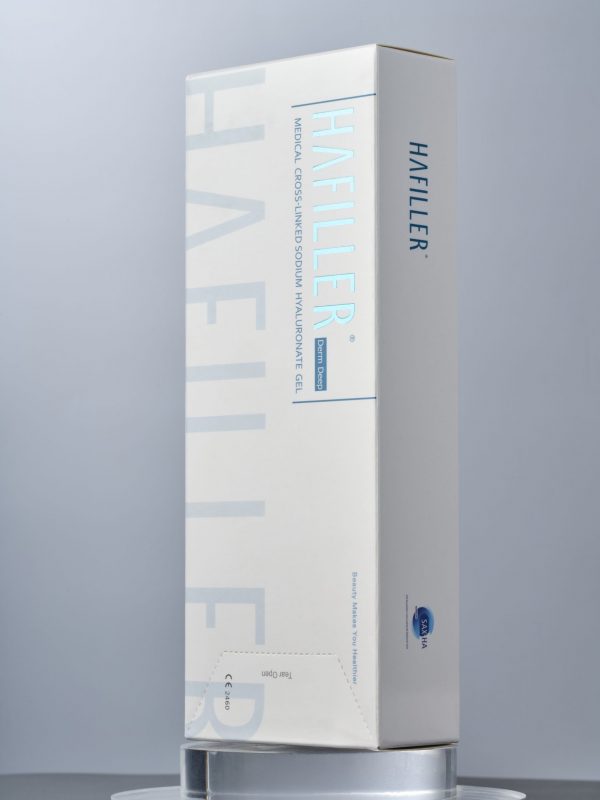
To close, use three simple metrics when choosing a plan: 1) Tissue-task match: does the gel’s rheology and G-prime suit the area’s movement and thickness? 2) Technique-product fit: does the provider’s method (depth, cannula vs. needle) align with the gel’s behavior? 3) Follow-up pathway: is there a clear plan for touch-ups, dissolution options, and result tracking at 2–4 weeks? These keep the process human and safe, while leaving room for your goals to lead the way. Thoughtful care, steady steps, better outcomes—with guidance you can trust from brands like HAFILLER.