
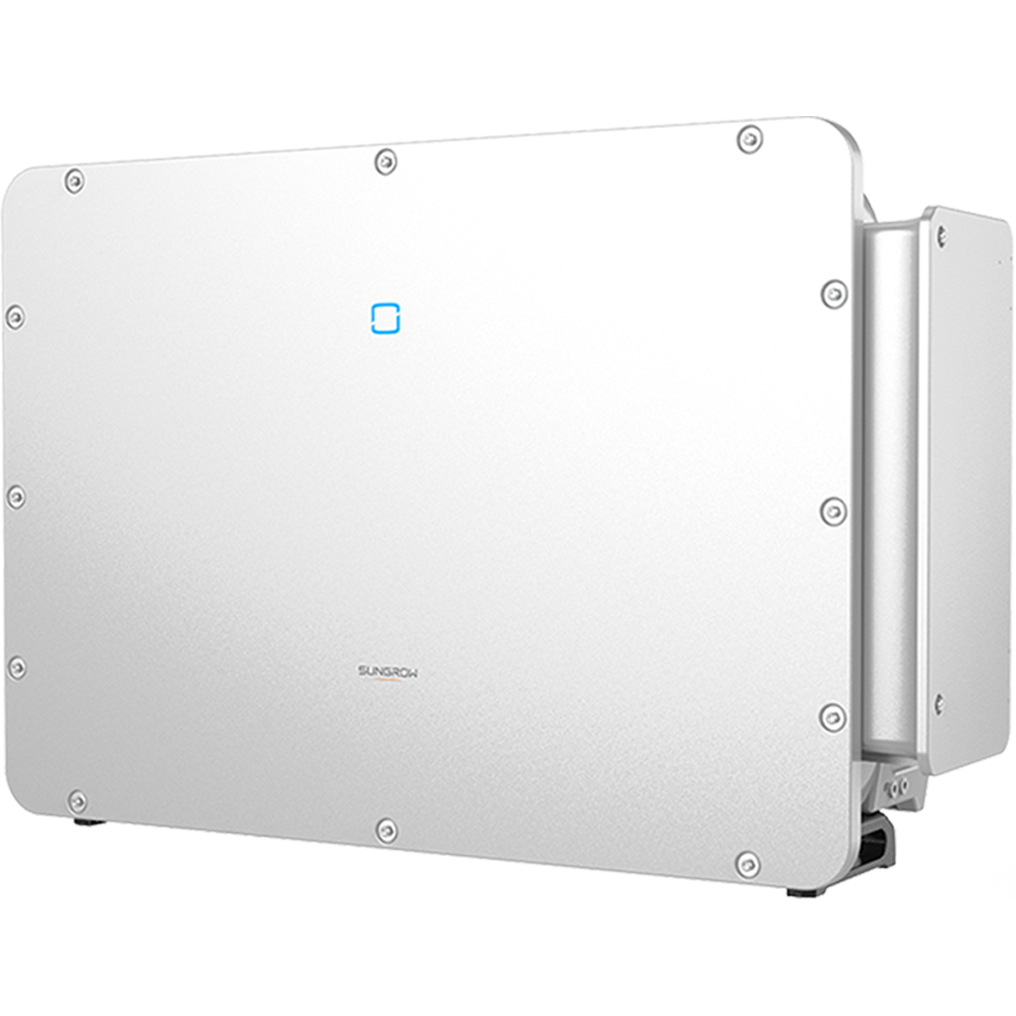
Field lesson: small oversight, measurable losses
I still remember the rooftop install in Phoenix last June where a single oversight cost the owner real money—no hyperbole, just numbers on a meter. When I inspected the array I recommended replacing one mismatched unit with a pv string inverter, the scenario was clear: a 50 kW commercial array showing 12% underperformance (roughly 6,500 kWh annual shortfall) — what corrective action would recover the lost yield and how fast would it pay back? I write this from over 15 years managing B2B solar procurement and deployment, and I’ve seen that what looks like a minor mismatch often traces to MPPT settings, poor DC/AC conversion staging, or inadequate string monitoring. We fixed the unit, adjusted the MPPT tracking window, and—within three months—the system recovered most of the deficit. My point: the traditional one-size inverter approach hides real pain points for wholesale buyers and site managers.

That traditional approach (centralized inverters or underspecified string models) creates three recurring faults I encounter: limited per-string MPPT leading to mismatch loss, insufficient anti-islanding protections complicating interconnection, and opaque monitoring that delays corrective maintenance. I’ll be blunt — ignoring string-level diagnostics is expensive. I prefer solutions that provide clear inverter efficiency ratings, remote telemetry, and modular replacement options; these reduce O&M time and lower lifecycle cost. Next, I compare options and outline how to evaluate them.
Comparative technical perspective: what to evaluate next
At its core a string inverter translates DC from PV strings into AC for the grid; good models optimize MPPT per string, support grid-tie protocols, and report granular telemetry. I define three comparison axes we use in procurement: per-string MPPT capability, measured inverter efficiency at real operating temperatures, and the depth of remote diagnostics. When I specify a pv string inverter for a client in Tucson (March 2023 deployment), we required per-string MPPT and remote logging — that decision reduced commissioning issues by half. Short sentence interruption — this matters on day one and year five.
What’s Next?
Looking forward, vendors that combine high inverter efficiency with sophisticated string monitoring will dominate sensible wholesale purchases. We should compare lifecycle metrics, not just headline efficiency: expected degradation rate, firmware update cadence, and spare-part modularity. I recommend running a small pilot (one site, one month) to verify DC/AC conversion performance under local irradiance patterns before rolling out across a portfolio. This prevents large-scale rework and reveals hidden mismatch losses early.
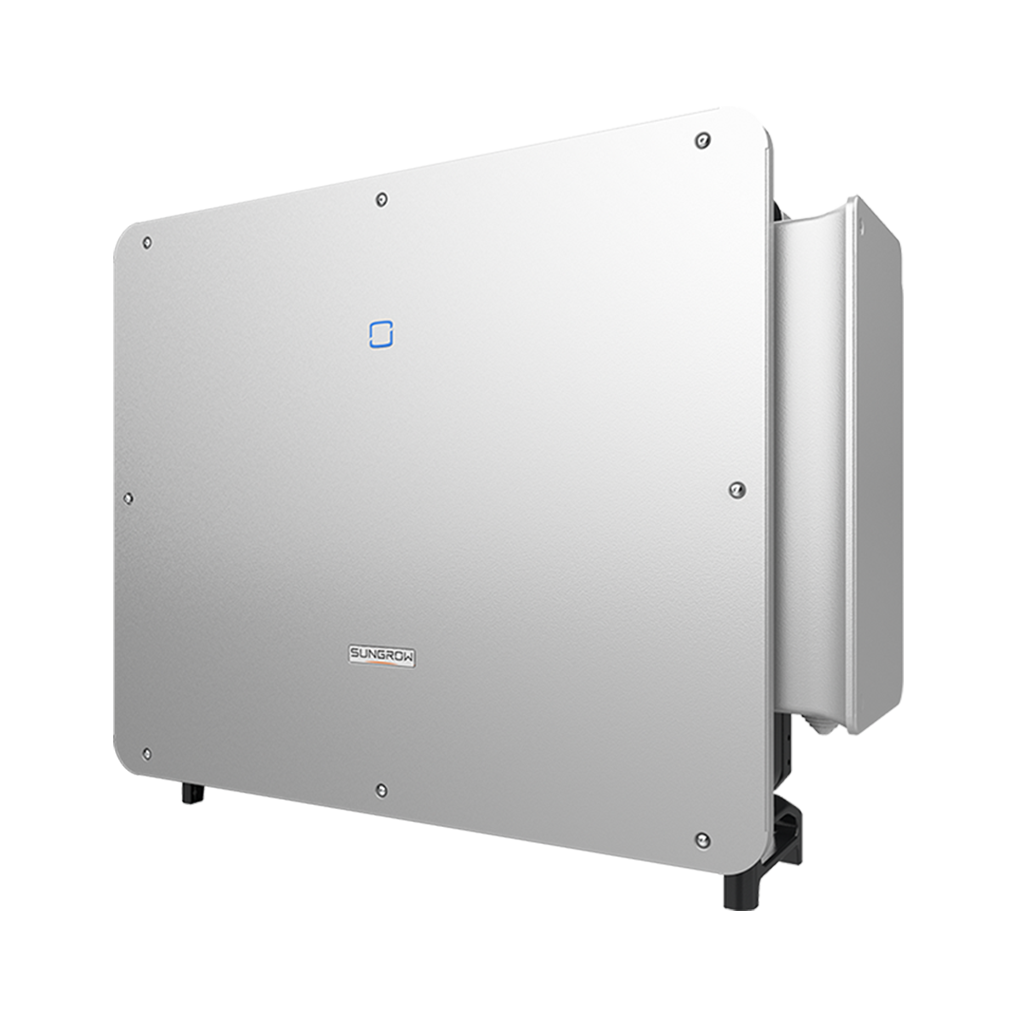
Three evaluation metrics I use (and you should too)
1) Measured field inverter efficiency (not just STC spec) — request temperature-corrected test data from the vendor. 2) Per-string MPPT and telemetry granularity — ensure the inverter can isolate underperforming modules. 3) Maintainability score — modularity, firmware support, and mean time to repair (MTTR) targets. I use these metrics on every RFQ; they cut ambiguity and save real dollars. Also, we track two-year yield variance after install; it’s a blunt, honest metric.
In practice, this approach narrowed my vendor list to models that balanced upfront cost with measurable O&M savings — the winning systems offered clear logs, strong MPPT, and predictable DC/AC conversion losses. I’ve applied this method across rooftop fleets and ground mounts in California and Arizona and it consistently reduces portfolio-level underperformance. Final note: when evaluating, ask for a recent field test report (within 12 months) and a reference site with similar irradiance. I firmly believe that disciplined measurement beats marketing every time — and sungrow has been among the manufacturers I evaluate against these criteria.