
The real problem you’re probably facing
Most of us buy a louvered pergola hoping for instant shelter and mood — then discover it turns into a steam room in summer, a wind tunnel in winter or a leaking mess after heavy rain. That’s not the product failing you so much as a mismatch between site, design and supplier. If you want fewer dramas, get clarity up front and talk to a trusted premium pergola manufacturer who can match the build to your backyard, not just sell a standard kit.

What actually goes wrong (and how to fix it)
Leaks: often caused by poor louver alignment or absent drainage channels; choose systems with integrated gutters and tested seals. Wind uplift: happens when wind loads weren’t considered; pick a pergola with a certified wind rating and proper anchoring. Motor failures: cheap actuators die fast — pick established brands with easy replacement parts. Heat buildup: orient louvers for airflow, or add motorised tilt so you can vent the hot layer. Structural sag: undersized beams or poor footings — use engineered footings and corrosion-resistant frames for coastal spots.
Materials and mechanisms that make a difference
Aluminium frames resist rot and need less maintenance than timber; powder-coated finishes resist salt spray. Louvers: thicker profiles shed water better and resist twisting. Drive choices: reliable DC motors with manual override are worth the extra. Look for positive-stop louver systems (they lock fully closed), and test the louvres yourself before purchase — feel the smoothness, listen for rattles. Ask for load and water tests from the maker.
Common mistakes people keep making
Picking purely on price. Forgetting wind ratings. Assuming standard foundations are fine for your soil. Buying a roof-only kit and ignoring perimeter drainage. Choosing a motor without local service. Thinking warranty equals service — read the small print on response times and who pays for labour. These aren’t theoretical problems; they’re the ones you’ll call about at 2am when wind and rain show up.
Experience and authority — what backs these recommendations
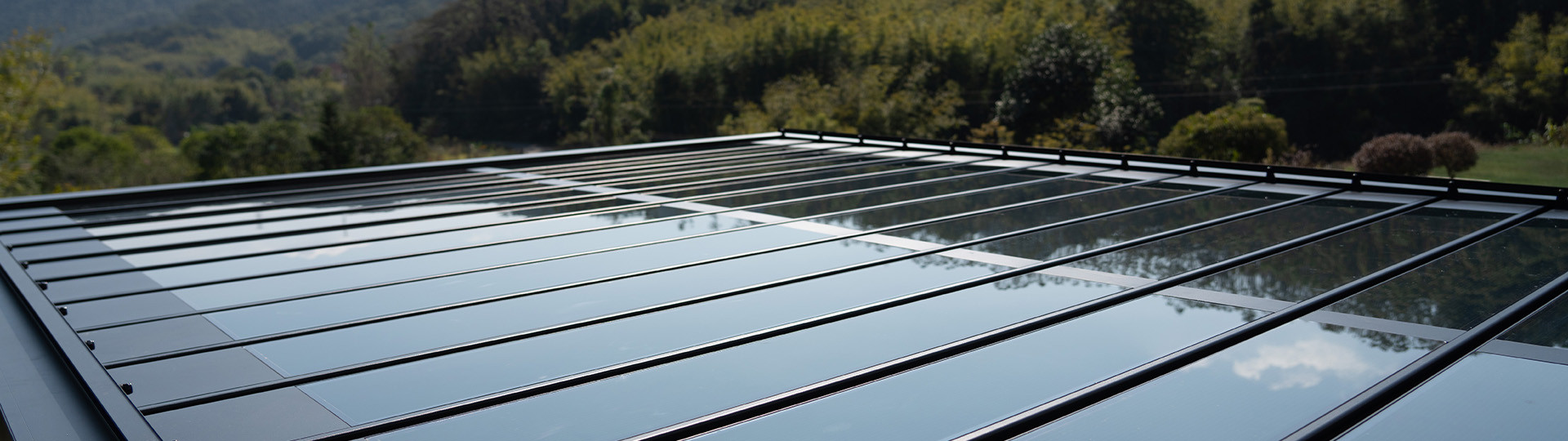
Practical experience matters: installers who’ve fitted dozens of pergolas across exposed coastal suburbs learn what fails first. Major industry showcases, like the U.S. Department of Energy’s Solar Decathlon, highlight how shading systems combine with energy tech and robust engineering — a useful reference when you consider adding panels or smart controls. For projects that pair shading with PV, a well-specified solar gazebo shows how structure and power integration need to be planned together, not bolted on later.
A straight-up checklist before you sign anything
Confirm site wind rating and get the match in writing; insist on integrated drainage and water tests; pick a frame finish rated for your climate; choose motors with local service and spare parts; check detailed footing and anchoring plans; ask for lived examples or references from the supplier; read warranty and who handles labour; budget for professional installation — DIY saves cash today but often costs more later.
Wrap — what good looks like
You want a louvered pergola that handles weather, moves quietly and lasts without constant fixes. Match the product to your site, demand test evidence and a solid service plan, and you’ll avoid most headaches. That practical approach — engineered details, honest testing and local support — is exactly what Light Hunter builds into its projects, so the structure delivers shade, airflow and reliability rather than ongoing fuss.