
Introduction — a small shop, a big problem
I remember walking into a small PCB workshop where the soldering smoke hit you before the lights did. In that moment I saw a scenario many of us know: workers bending over boards, flux fumes swirling, and a corner with a dusty power converter doing overtime. Recent industry checks show airborne VOCs and particulates spike during peak production — and that’s the data that keeps managers awake. The challenge of fume extraction for electronics and industrial applications sits right at the heart of safety and product quality (we’ve all patched quick fixes that lasted way too long). So how do we move from noise and guesswork to a system that actually works, day after day? Let’s walk through the practical choices and real trade-offs you’ll face next.

Where old fixes fail: the flaws of traditional approaches
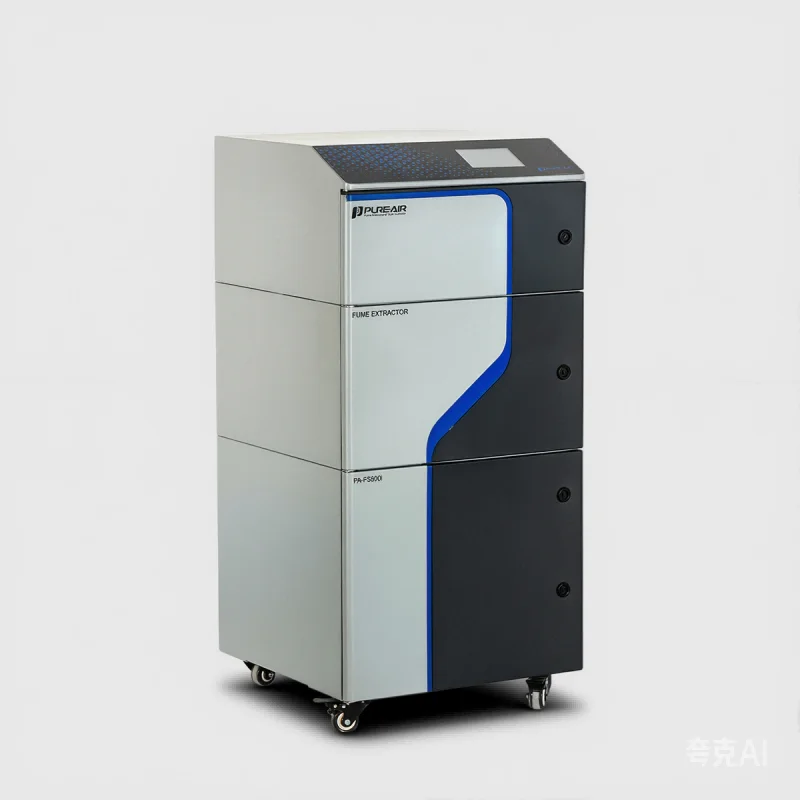
fume and dust extraction systems sold as quick retrofits often miss the real problem: airflow balance and capture efficiency. Many shops bolt on a cheap hood or rely on a lone centrifugal fan and assume the job’s done. In my experience, that’s rarely true. You still get fugitive emissions, uneven laminar flow, and filters that clog too fast. HEPA cartridges are great — yes — but if the capture hood is wrong, the HEPA does nothing but get expensive faster. Look, it’s simpler than you think: capture at source beats room scrubbing every time.
Why does that happen?
Two big reasons. First, poor hood placement and low face velocity let fumes escape before the system can grab them. Second, maintenance is treated as optional. Filters, activated carbon beds, and fans need schedules — not sticky notes. I’ve seen VOC sensors ignored until a worker complains. That human factor is a real pain point. We can design perfect systems on paper, but if they’re hard to maintain or obscure in performance metrics (noise, draw, throughput), they won’t deliver. — funny how that works, right?
New principles and practical next steps
Moving forward, I focus on three technology principles that change outcomes: targeted capture, smart monitoring, and scalable filtration. Targeted capture means ducting and hoods matched to process — soldering irons deserve different capture than conformal-coating stations. Smart monitoring uses VOC sensors and edge computing nodes to flag inefficiencies before they become hazards. Scalable filtration layers HEPA, activated carbon, and pre-filters so you don’t blow your budget or your intake fan. These are not buzzwords; they are usable levers in daily operations. When we plan, we balance acoustic comfort, energy draw, and capture rates — short sentences, clear trade-offs.
What’s Next: practical rollout?
Start small: pilot a single line with a matched hood, a local extractor, and a VOC sensor network. Measure capture efficiency, not just filter pressure drop. If the pilot shows improved air quality and fewer complaints, scale up. Expect surprises — some processes leak in unexpected ways — but modern control logic (simple PLC loops or edge nodes) makes adjustments easier. I recommend three evaluation metrics when comparing systems: capture efficiency at the source, long-term maintenance cost, and integrated monitoring capability. Choose systems that score well across all three. For manufacturers ready to act, leaning on proven suppliers helps; I’ve partnered with teams who deliver reliable field support and tangible metrics.
Final thoughts — practical, not theoretical
I’ve worked with shops that improved worker health and product yield by changing one thing: treating extraction as an engineering problem, not a cleaning chore. That shift means thinking about hood geometry, fan curves, and filter staging up front. It also means committing to simple monitoring so you actually know your system works. If you want a quick checklist: 1) verify capture at source with a smoke test; 2) demand modular filtration so you can swap stages; 3) require basic VOC or particulate alarms tied to maintenance logs. Those three metrics tell you more than glossy spec sheets. In the end, cleaner air is a manageable upgrade — and when done right, it saves time, money, and people from avoidable exposure. For reliable solutions and field-tested equipment I trust, check out PURE-AIR.