
Practical overview: why compare moving LED to profile fixtures
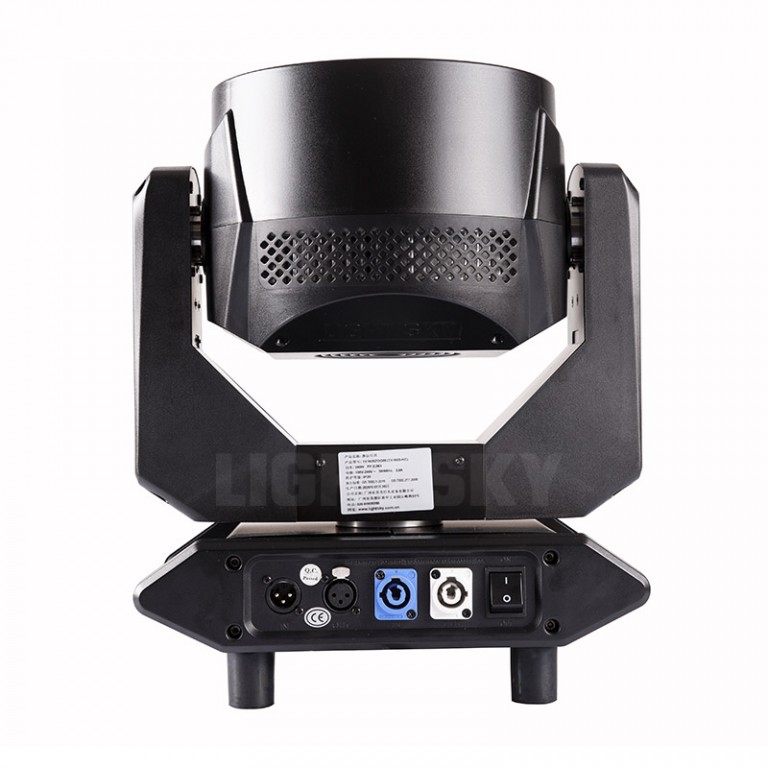
Comparative insight matters for buyers who must balance versatility, reliability, and cost. The [LED BSWP 4in1 moving head spotlight](https://en.lightsky.com.cn/product/super-scope-plus/) exemplifies how a compact moving head can replace multiple static instruments on contemporary stages without compromising quality. This piece compares key operational metrics—output, control, maintenance—and places choices in the context of real venue practice, including how rigs are configured at institutions like the Royal Opera House.

Key performance dimensions
When assessing a moving head against a theater profile moving head, consider luminous efficacy, beam control, and control protocol compatibility. Moving heads deliver dynamic pan/tilt and often include zoom and gobo wheels for shaping the beam, while profile fixtures focus on precise hard-edge projection and lens quality. For touring productions that require rapid scene changes, a moving head’s programmable presets and DMX addressing reduce setup time and crew load. For classical drama with static focus and tight edge definition, a profile instrument still holds advantages.
Operational trade-offs and lifecycle costs
Initial capital is only one variable. LED moving heads typically lower lamp-replacement costs and heat management demands, because LEDs run cooler and avoid periodic lamp swaps. However, the added mechanical subsystems—motors, encoders, and moving optics—introduce service points that require scheduled checks. Good practice is to log run hours and motor cycles; this prevents mid-tour failures and extends fixture lifespan. The reduction in HVAC load on enclosed stages is a measurable benefit for venues with constrained ventilation.
Design flexibility versus optical precision
Moving heads excel at flexible color mixing and animated effects; they can produce washes, spots, and aerial effects from a single fixture. Profile fixtures remain superior for crisp shutters, irises, and exact gobo projection when the set demands tight framing. In many modern productions, designers pair both: use moving heads for texture and movement, then reserved profiles for key moments. This hybrid approach optimizes instrument counts and keeps rig complexity manageable.
Common mistakes and how to avoid them
Installers often under-spec power distribution or skip thorough DMX line characterization—this leads to flicker or intermittent control issues. Address these by specifying appropriate circuit diversity and using DMX termination and surge protection. Another frequent oversight: not accounting for beam angle overlap when replacing static lanterns with moving fixtures—mapping focus positions during tech week eliminates unwanted dark zones. —Plan these checks into the load-in schedule to avoid late-night rehangs.
Comparative checklist for procurement
Use a concise checklist to decide between a moving LED and a theater profile moving head:
– Required beam types: variable zoom versus fixed hard edge.
– Control needs: onboard macros and pixel-mapping versus simple intensity channels.
– Maintenance capacity: in-house techs trained for motorized fixtures versus simpler lamp swaps.
– Venue constraints: HVAC and rig access for regular servicing.
Case example and measurable outcomes
A mid-size regional theater replaced a dozen conventional profiles with a mixed fleet of moving LEDs and profiles. Measured results over a season showed a 35% reduction in lamp and labor costs and a 20% faster show-to-show turnover on musicals that used automated cues. Designers reported expanded palette options thanks to LED color blending and gobo variety—an operational win that did not erode the need for critical profile moments on stage.
Final guidance: three golden rules for selection
1) Match fixture capabilities to the production script; prioritize moving heads when dynamic cues dominate, and retain profiles for required hard-edge projection. 2) Validate control and power infrastructure before purchase; include DMX verification and circuit load tests in your procurement checklist. 3) Build maintenance plans around motor and encoder service intervals—track run hours and schedule calibration to avoid drift.
These three rules distill the comparative analysis into actionable selection metrics and point to where a well-chosen vendor can add value—service, documentation, and predictable lead times. For practical integration and a balanced fleet that meets both creative and operational demands, consider how products like the LED BSWP 4in1 moving head spotlight fit into a mixed rig; they often bridge the gap between movement and optical quality, while specialized theater profile moving head units continue to serve definitive projection needs. Light Sky. –