
A Closer Look at the Real Problem: Design vs. Daily Use
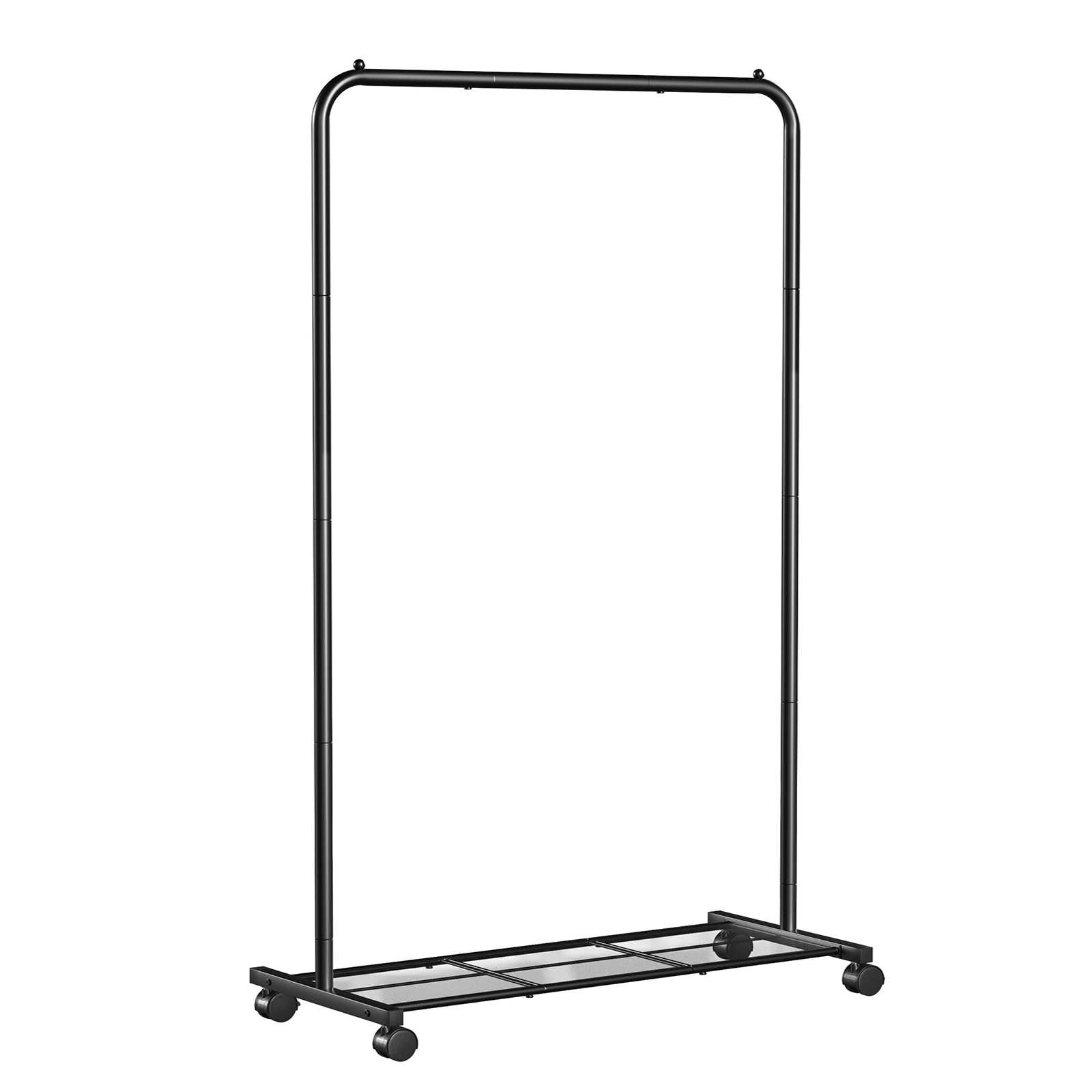
Let’s say it flat out: most garment racks don’t fail because of fashion—they fail because of physics. A clothes rack manufacturer sees where the stress travels before a single shirt hangs. When you choose a garment rack supplier, you’re not just buying metal and wheels; you’re buying how torque, fasteners, and floor friction will behave on a busy morning. Picture a boutique at open: cartons on the mat, hangers clicking, a new rolling rail wobbling as it rounds a corner. Field checks often show misaligned uprights after the first season and fasteners backing off within weeks—small shifts that snowball. So why do the same weak points keep repeating, store after store?

Traditional setups hide their flaws in assembly and tolerances. Thin-gauge tubing looks sleek, but a low load rating and sloppy torque spec mean sway under peak traffic. Cold-rolled steel can be strong; yet without proper gussets, the base twists. Powder coating looks clean, but if the pretreatment is rushed, corrosion creeps in at joints (quiet at first, then noisy). Look, it’s simpler than you think—most pain starts at the junctions: where castors meet legs, where crossbars meet uprights, where tolerances stack. The fix isn’t just “more metal.” It’s better fit, better joinery, and less time spent fighting instructions—funny how that works, right? Let’s move from what breaks to what actually holds up.
Comparative Principles Shaping the Next Generation Racks
What’s Next?
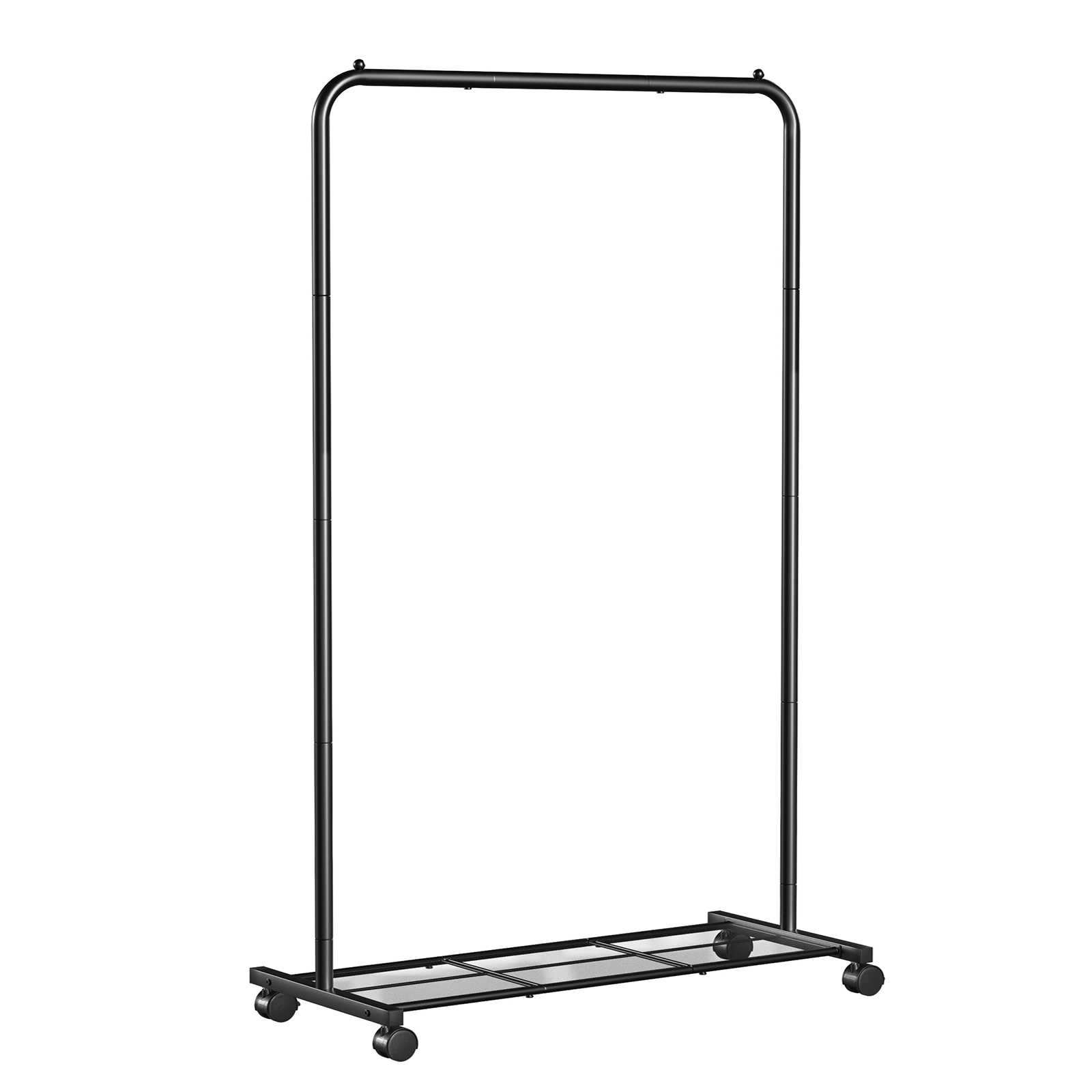
The shift is already here, and it’s practical. New designs re-balance the frame around predictable loads, not just catalog specs. Think triangulated bases that resist torsion, captive fasteners that lock at the right torque, and crossbars tested with simple finite element checks before tooling. When your wholesale garment rack uses CNC bending for clean radii and consistent angles, the uprights stay square longer. Add a powder coating line with proper zinc phosphate pretreatment, and joints shrug off moisture. Small decisions—like switching to double-race casters and setting a realistic dynamic load rating—change how the rack rolls, turns, and actually lasts. Different on paper, obvious on the floor.
Here’s the forward look, side by side with the old way: fewer loose fasteners, more captive systems; fewer mystery tools, more tool-free latches; fewer vague instructions, more etched assembly markers— and yes, that matters. QA tolerances get tighter, replacement parts get simpler, and SKU kits align with real store workflows. The takeaway from above without rehashing it: durability comes from fit and force paths, not bulk. To choose well, use three quick checks. 1) Structural logic: does the frame resist twist at corners, and is the load path clear? 2) Process quality: are welds, pretreatment, and coating consistent across batches? 3) Serviceability: can staff swap a wheel, tighten a joint, or re-level in minutes? Keep it grounded, keep it measurable, keep it calm. For deeper sourcing context and steady execution across lines, see SONGMICS HOME B2B.