
Why buyers get stuck
Buyers often expect one machine to solve every problem, and that’s where projects slow down, you know. Choosing the right material testing equipment demands clarity on what you actually need to measure, what standards the results must meet, and how the data will be used downstream. Too many options look similar on specs sheets but behave very differently on real samples; budget decisions made without that understanding lead to rework and missed deadlines.
Core tests and what they tell you
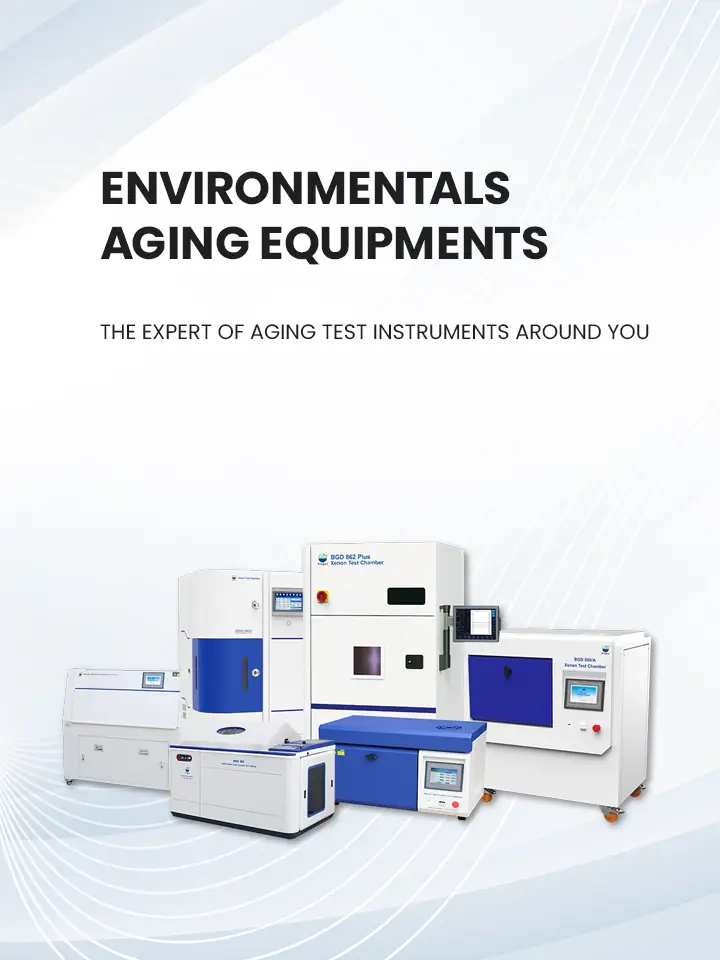
Tensile testing measures strength and elongation — critical for metals, plastics, and composites. Hardness testing (Rockwell, Vickers) tells you surface resistance to indentation and correlates to wear life. Impact testing indicates toughness under sudden load. Fatigue testing reveals life under cyclical stresses. Environmental chambers assess material performance under heat, humidity, or salt spray. Pick tests that answer a clear question: will the part survive load, wear, impact, or environment?
Procurement checklist that actually helps
Write requirements as measurable outputs, not wish lists. Specify sample geometry, expected force range, resolution, and data rate. Confirm the machine supports standards you need (ISO, ASTM number). Check software: can it export raw data, run custom calculations, and integrate with LIMS? Ask about calibration frequency, traceability certificates, and local service support. Consider spare parts lead time and training options — hands-on training shortens the time to reliable results.
Common mistakes that cause delays and bad data
Buying by headline numbers only: big load capacity but poor resolution at low forces. Ignoring fixturing: wrong grips or jigs change failure modes. Overlooking sample prep: inconsistent cuts, surface finish, or alignment wreck repeatability. Underestimating software limits: locked analysis routines prevent correct interpretation. Skipping calibration plans: a machine is only trustworthy with documented calibration and verification steps.
Alternatives: new machine, refurbished, or contract testing
New machines give warranty and latest controls but cost more upfront. Refurbished units can save money if you verify calibration history and component replacements. Contract testing avoids capital expense and is good for low throughput or non-recurring projects; choose a lab accredited to the same standards you require. Match the option to volume and criticality: high-volume quality control usually favors in-house, while one-off certification tests are often cheaper outsourced.
Experience, standards, and a real-world anchor
Trusted labs follow ISO and ASTM methods and publish round-robin comparisons; engineers rely on these to compare results across sites. For example, manufacturers in Ho Chi Minh City increasingly require traceable mechanical testing to meet export contracts, so local labs and OEMs have tightened calibration and reporting practices. Observations from accredited test houses show that consistent sample preparation and certified calibration cut variability by half, and practical users often prefer machines that produce traceable reports without heavy post-processing. If you want reliable gear, compare how vendors document compliance and field service. Also review suppliers of material testing machines for their service network and standards documentation before you sign.
Final synthesis and a sensible next step
Define the test question, list the required standards, and plan sample prep before talking to vendors. Balance resolution, capacity, and software openness against service and calibration support. For many buyers, the best outcome is a partner who understands standards and local service realities as well as you do — that practical alignment is why experienced labs and manufacturers often work with BIUGED when they need tools that deliver repeatable, standards-compliant results without surprises.