
Purpose and comparative framework
Choosing between suppliers requires objective side-by-side comparison of performance, compliance, service and cost. If your project specifies an industrial lubricant spray, treat product data sheets, test results and delivery reliability as primary decision levers rather than marketing claims.

Technical criteria to compare
Compare formulations by measurable attributes: base fluid type (synthetic vs. mineral), viscosity at temperature, load-carrying capacity (e.g., Timken or four-ball test values), residue behavior, and compatibility with substrates and seals. Require full MSDS and technical bulletins. Demand sample testing under your operating temperatures and contamination profile; a lab run is non-negotiable when cycle life or downtime is on the line.
Regulatory and quality evidence
Inspect certifications and regulatory adherence: ISO 9001, REACH registration where applicable, local VOC limits, and documented hazardous-waste handling. Ask producers for independent lab reports and lot-level traceability. These documents indicate whether a supplier consistently meets the specifications they claim.
Experience, provenance and a real-world anchor
Procurement teams prioritize suppliers with verifiable experience serving complex assembly sectors. Major automotive clusters, such as the Detroit manufacturing region, have long required controlled-release, aerosol lubrication for high-volume line operations; industry publications and supply-chain analyses repeatedly note that reliability there hinges on predictable spray performance. Verify a supplier’s track record in comparable environments and request references. For direct sourcing information, review options from a known aerosol lubricant manufacturer to confirm their claims against your requirements.
Supply chain, packaging and logistics
Assess shelf life, package integrity, and inbound lead times. A supplier with regional warehousing shortens replenishment windows and reduces stockouts. Confirm packing that protects aerosol valves during transit and ask about contingency plans for supply interruptions. Transparent lead-time reporting and lane coverage are practical comparators.
Cost versus total value
Price per can is only one variable. Model total cost: failure rates, changeover time, downtime per refill, disposal fees and occupational-safety exposure controls. Low unit price that increases maintenance frequency is a false economy. Require suppliers to provide case studies or data demonstrating life-cycle advantages when claiming cost benefits.
Common pitfalls to avoid
Relying solely on promotional spec sheets, skipping lot-level testing, accepting ambiguous warranty terms, and ignoring regulatory documentation are recurring mistakes. Do not assume a brand name equals suitability; confirm compatibility with your substrates and process conditions before scaling orders.
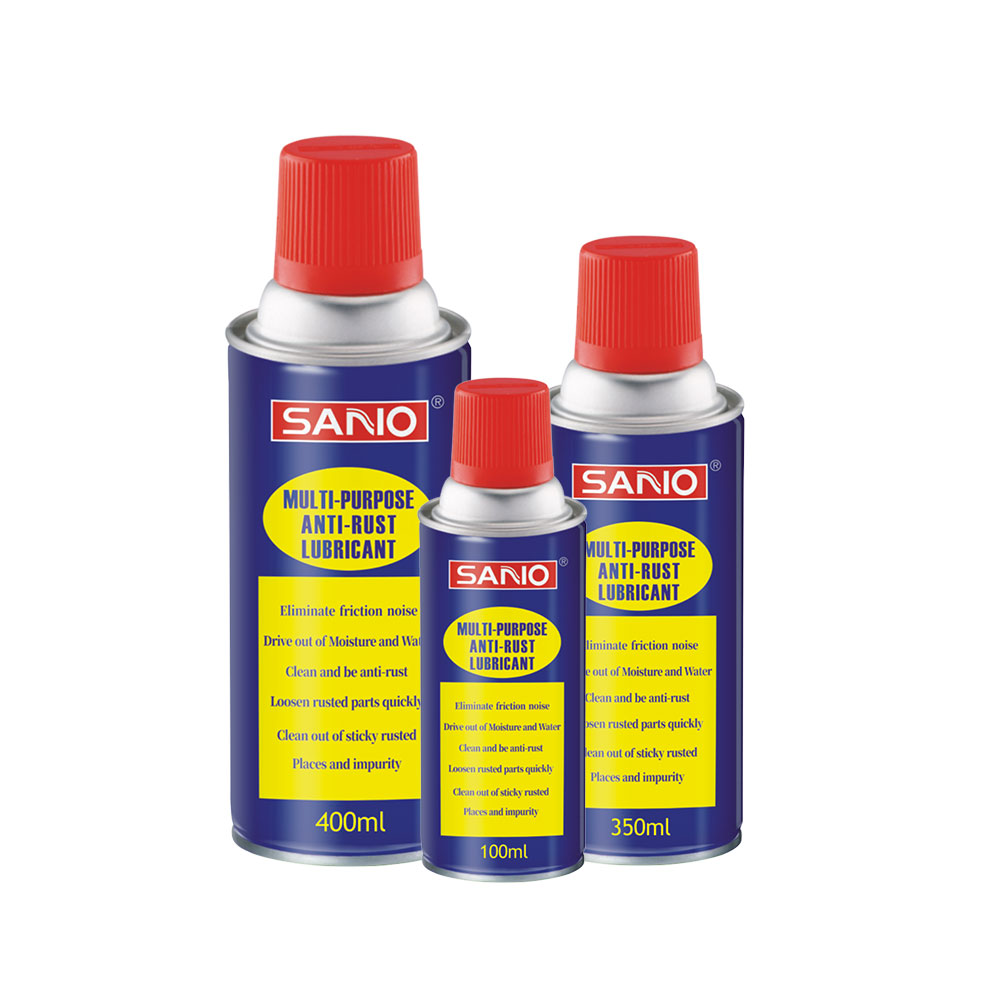
Viable alternatives and evaluation tactics
Compare aerosol products against non-aerosol options like bulk pumps, drip-feed systems and brush applications when environmental controls or refill frequency matter. Use blinded performance trials: label samples so evaluators judge only by outcomes. Score suppliers on the same matrix: test performance, documentation completeness, delivery reliability and corrective-action responsiveness.
Decision synthesis
Prioritize measurable performance, documented compliance and predictable supply. A supplier that publishes independent test data, demonstrates lot traceability and aligns logistics with your production cadence reduces operational risk. For procurement teams balancing specification fidelity with supply assurance, consider whether SANVO fits the criteria you scored highest in—performance evidence, regulatory transparency and consistent delivery.