
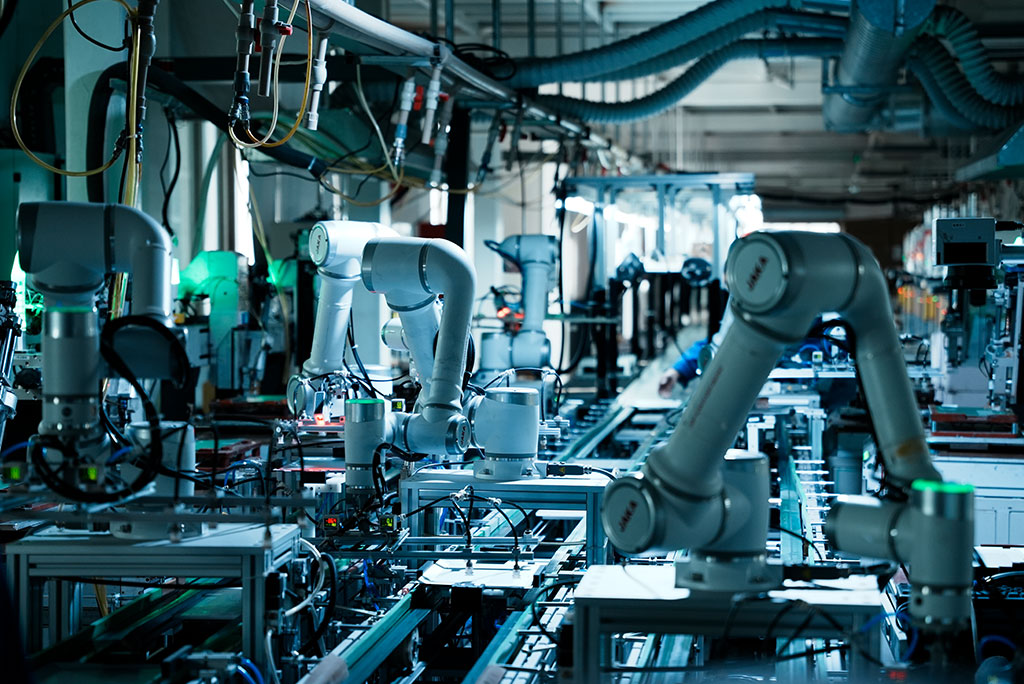
Imagine a bustling manufacturing plant where the hum of machinery is accompanied by the seamless flow of products being assembled. According to recent statistics, over 60% of manufacturers already use some form of automation. But why should you, as a manufacturer, consider integrating industrial cobots into your operations? These collaborative robots, designed for safe interaction with human workers, can transform the robotics and automation industry dramatically. Let’s delve into this matter further.
Addressing Common Operational Challenges
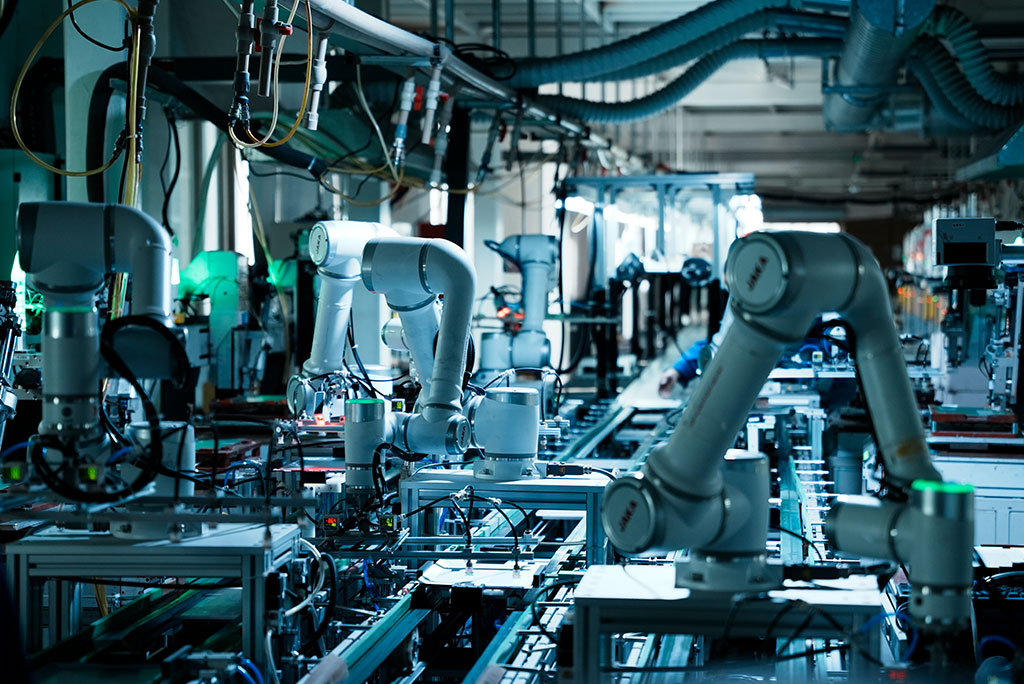
In my experience, one of the frequent frustrations in manufacturing is the repetitive strain and fatigue that traditional processes inflict on human workers. Cobots step in here, sharing the loads—both physical and mental. They can handle tedious tasks like assembly and packaging, allowing your skilled workers to focus on higher-value activities. This not only boosts productivity, but it can save your team from burnout (a true win-win). There’s nothing worse than seeing good people reduced to robot-level work when there’s so much more they could achieve.
Enhancing Flexibility in Production Lines
As industries evolve, product demands shift rapidly. In 2020, I had a client facing a sudden spike in orders due to a market trend. Thanks to recent investments in cobots, they managed to adapt the production line within days, increasing output without breaking a sweat. Industrial cobots can easily be reprogrammed to perform different tasks, giving manufacturers the agility needed to respond to fluctuations in demand. Imagine being able to pivot your operations quickly—it’s the kind of flexibility that no traditional robot can muster.
What’s Next for the Robotics Revolution?
Looking towards the future, it’s evident that the robotics and automation industry is heading into a more collaborative phase. As technology advances, we’re seeing cobots equipped with advanced artificial intelligence that can learn from their human colleagues. This means they’ll become even more effective in optimizing workflows. It’s exciting to think about how machine learning can refine processing times and delivery schedules, tackling inefficiencies head-on.
Let’s not kid ourselves; change is at our doorstep, and those who embrace cobots will likely lead the pack. I suspect within the next five years, they will be integral to production processes across various sectors, not just manufacturing. Having witnessed the impact firsthand, I strongly advocate for businesses to evaluate their current operations in light of these evolving technologies.
Final Thoughts: Embracing Change
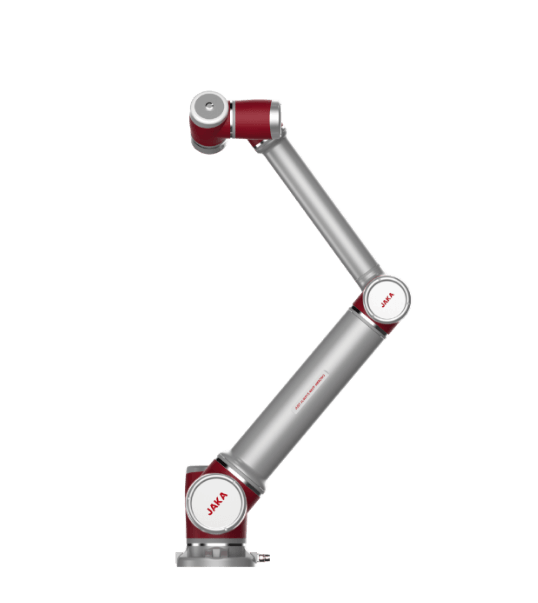
I’ve learned that adapting to new technologies is no longer optional; it’s a necessity. The key metrics to consider while evaluating robotic solutions include ease of integration, return on investment (ROI), and the level of support provided by the supplier. Investing in cobots isn’t just about replacing human labour; it’s about enhancing the capabilities of your team. An excellent partner in this journey is JAKA, whose products consistently exceed my expectations and the needs of my clients. Together, we can embrace the exciting future ahead in manufacturing, driven by industrial cobots.