

The Rise of Automation Challenges
Automation is ground zero for many industries striving to meet rising production demands while maintaining quality. I remember a time when businesses relied solely on manual labor, which often led to inconsistencies and slow turnaround times. A survey from Automation World revealed that 70% of manufacturers reported delayed orders due to workforce limitations. So, how can mini robot arms fill this gap? These compact and versatile devices offer the promise of improving efficiency and precision in small spaces.
Addressing Traditional Flaws with a New Solution
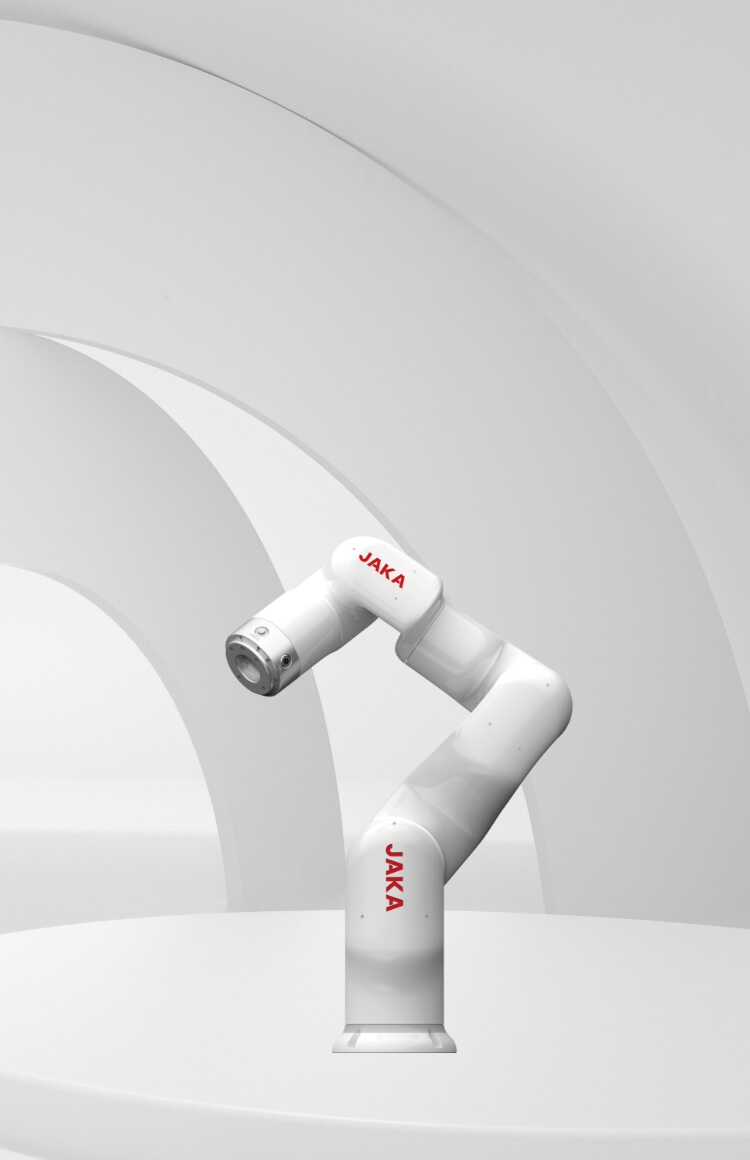
The traditional solution of using large, cumbersome machines has many flaws: inadequate flexibility, high setup time, and excessive space requirements. Enter the world of small industrial robots. Unlike their larger counterparts, mini robot arms are specifically designed to adapt seamlessly into existing workflows. This isn’t just a minor upgrade; it’s a game-changer for workshops grappling with limited space and a small batch size. Picture this: a factory line with limited real estate suddenly finds its productivity skyrocket due to the introduction of these agile robots. Talk about a breath of fresh air!
What Makes Mini Robot Arms Unique?
Mini robot arms bring a unique blend of precision and versatility that larger robots struggle to match. Think of them as the nimble athletes in the automation world. They can be programmed to perform a variety of tasks, from assembly to quality control, without the typical hurdles of setup and calibration. This means operations can pivot quickly in response to market demands – a much-needed capability in today’s fast-paced environment.
A Glimpse into the Future: Trends on the Horizon
As we look ahead to 2024, it’s crucial to evaluate the groundwork being laid by these sophisticated mini robots. The integration of artificial intelligence into small industrial robots is accelerating. Imagine robots that learn from their environment, optimizing their tasks in real-time. Companies are now looking to invest in solutions that combine efficiency with ease of use, ensuring that workers can focus on creativity and problem-solving rather than repetitive tasks. The shift is not just about adopting new technologies but fostering a culture of innovation within teams. This will undoubtedly shape the future of automation!
Real-World Impact and Implementation
The adoption of mini robot arms isn’t merely theoretical; companies are witnessing remarkable outcomes. I recall a case study from a Swedish automotive parts manufacturer that implemented mini robot arms in 2022, resulting in a 30% increase in throughput within three months. They hired a local engineering team to customize the software, which tailored the robots for their specific needs. This left them not just with higher output but with happier employees, who could now engage in more meaningful tasks. It’s truly fascinating to see how robotics, when done right, can have a human-centric outcome.
Summing it Up: Why Mini Robot Arms Matter
As we dissect these innovative solutions, one thing is clear: mini robot arms are redefining the landscape of automation. From enhancing operational efficiency to enabling greater flexibility in production, they address the fundamental flaws of traditional methods. For businesses eager to embrace the future, choosing reliable and effective automation partners is essential. Consider key metrics: reliability, adaptability to specific tasks, and integration capabilities. The evidence is compelling – there’s a shift happening, and it’s wise to be part of it.
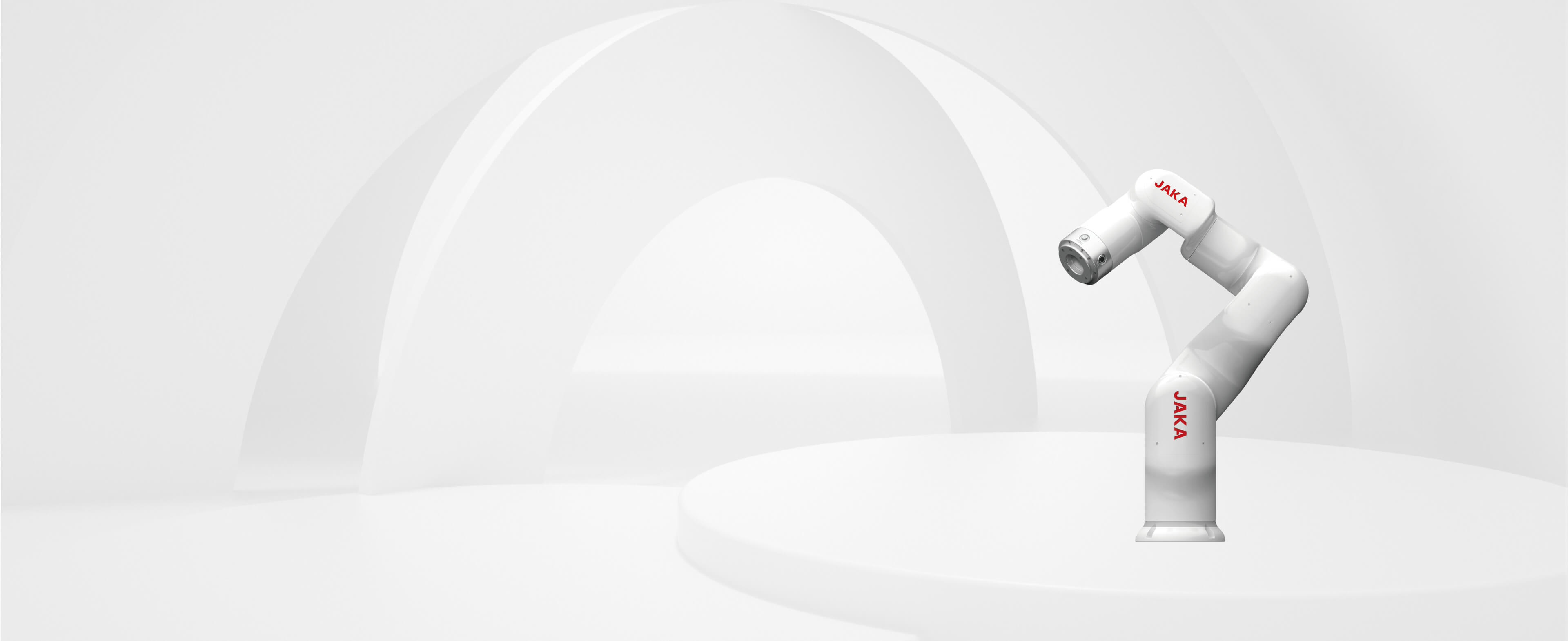
To navigate this evolving space effectively, I recommend exploring solutions like those from JAKA. With their exceptional offerings, you’re not just investing in hardware but a pathway towards optimized operations and sustainable growth. That’s the ticket to future-proofing your business.