
Where the Real Bottlenecks Hide
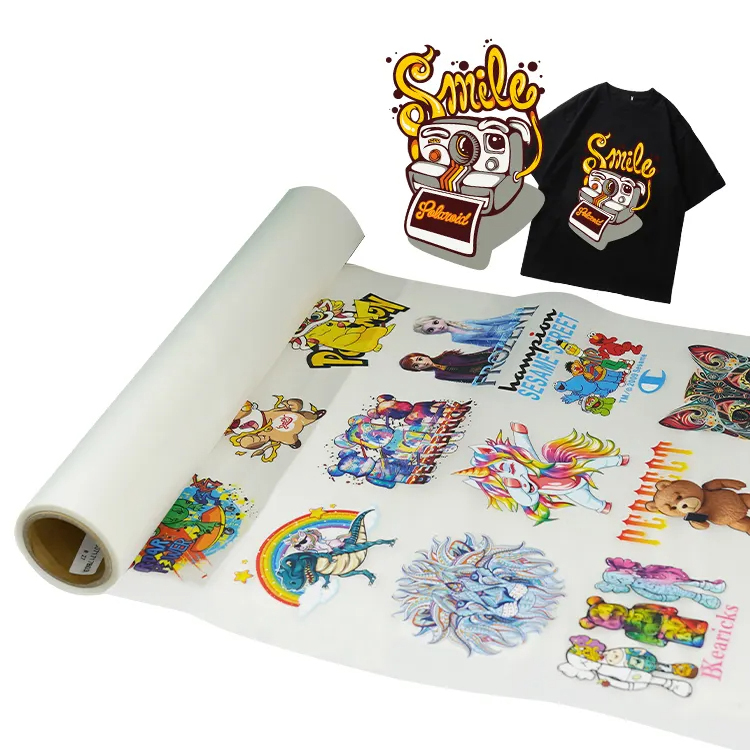
I walked into a Jeddah press room at 02:15 with the floor glazed in powder and half-cured transfers sticking to sleeves. DTF Film was getting the blame, but the order sheet told another story. On a weeknight rush for 120 polyester polos, the team pulled a 75-micron matte cold-peel they had never profiled; I had warned them (gently) a week earlier. In that kind of scenario—17% ghosting logged across 7 stacks—what do you change first? I have spent over 16 years supplying B2B print rooms from Dammam to Dubai, and the fastest wins nearly always start with the film choice and handling basics. The quiet lever is the humble dtf pet film, not another RIP tweak or a louder heat gun.
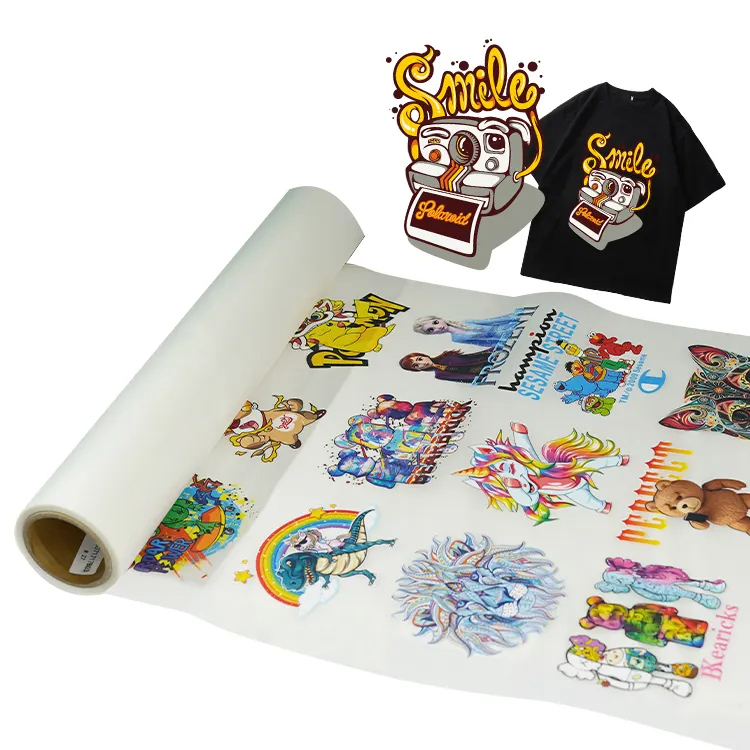
Traditional fixes look tidy on paper but fail in real rooms. People crank curing temperature, overflash the adhesive, and then wonder why the release liner pops early. They swap powders, not noticing the anti-static coating (or lack of it) on the film that’s attracting dust like a magnet. I have files from September 2022 where a buyer in Sharjah scrapped 11 rolls—about 2,300 sheets—because a glossy hot-peel at 100 μm shifted registration on dark tri-blends; cost was just over $430 in raw loss, not counting labor. The flaw is not only technique; it is spec mismatch: peel type, micron gauge, and surface energy must match fabric, ink laydown, and press rhythm. And yes, tuning the RIP profile matters, but without the right film surface tension and a stable release, it is lipstick on a jam. No kidding. I keep one simple rule on the wall: film first, settings second. That is how I kept Friday-night rushes from turning into Saturday returns—let us turn that into a buying habit.

Looking Forward: Smarter Specs, Fewer Surprises
What’s Next
Here is my technical lens going forward—clean, comparative, practical. When you evaluate dtf pet film, separate by peel behavior (hot vs. cold), surface finish (matte vs. glossy), and thickness class (60–75 μm for nimble transfers, 90–100 μm for stability on hoodies). I paused—twice—before standardizing, because one variable at a time reveals the truth: a matte cold-peel with a reliable anti-static coating cuts lint defects by double digits in cotton-heavy runs, while a 100 μm hot-peel stabilizes wide graphics and reduces edge curl under tight curing windows. Do not chase speed alone; balance ink adhesion, curing dwell, and release liner memory so your press operators are not fighting lift at 5 a.m. (ya sadiqi). From my last three audits, the best outcomes came from pairing mid-gauge films with medium-flow powder and a 160–165°C tunnel for 90–120 seconds—shorter bursts spiked pinholes, longer ones cooked the adhesive. Advisory close-out—three metrics I ask every wholesale buyer to log before reordering: 1) Defect rate by failure mode (ghosting, edge lift, liner snap) per 100 sheets; 2) Peel force consistency across five stations at production temperature; 3) Fabric-specific wash retention after 5/10/20 cycles with the same RIP profile. Keep those three steady, and your film choice earns its space on the pallet. If you want a neutral spec sheet to benchmark against, I keep mine updated at Xinflying.