
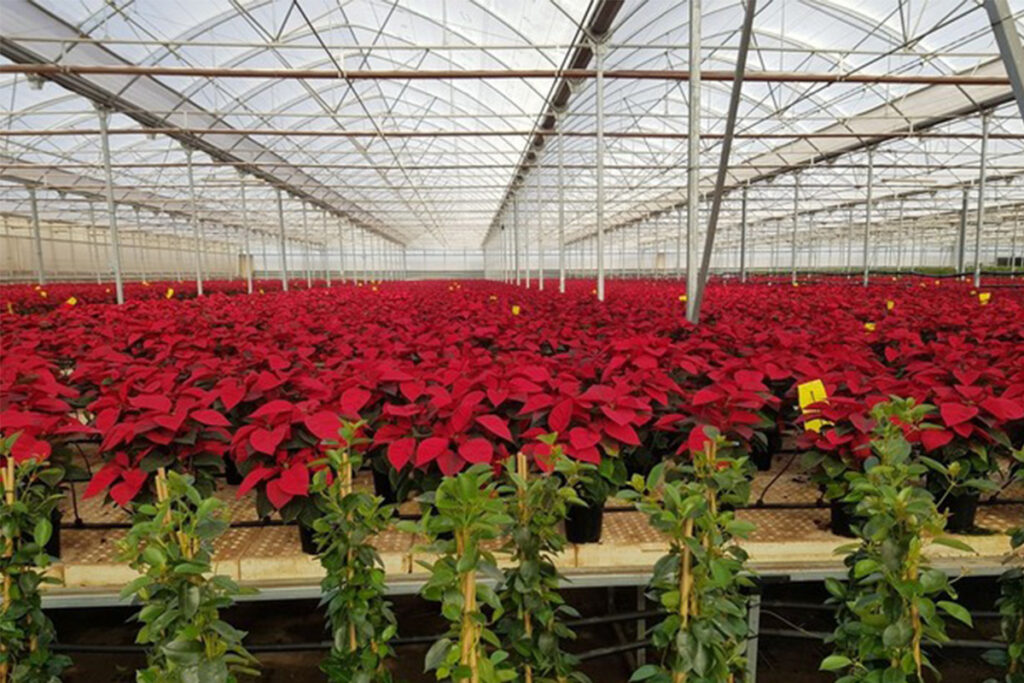
Field Memory: Where the Problem Really Starts
I remember standing in a battered hoop house in St. Catherine one wet March morning, watching water bead and drip onto my seed trays — I had just fitted a clear greenhouse film and thought the job was done. The trouble with that decision was plain: the wrong grade of agricultural plastic sheeting (LDPE, no UV stabilizers) turned a neat grow space into a constant damp mess, and we lost young chard to rot. On that site I recorded an 18% drop in stand count across 24 beds — what would you change if you faced the same figures? (no lie, fi real.) I’ve been selling and fitting greenhouse covers for over 15 years in Jamaica’s B2B circles, and I’ve seen this play out more times than I can count: cheap single-layer film, wrong film thickness, and poor anti-drip performance. Those flaws aren’t just annoying; they cost money, labour, and reputation — not to mention a week or two of transplant setbacks. Let’s peel back why traditional fixes keep failing and point to the real pain points farmers feel every season.
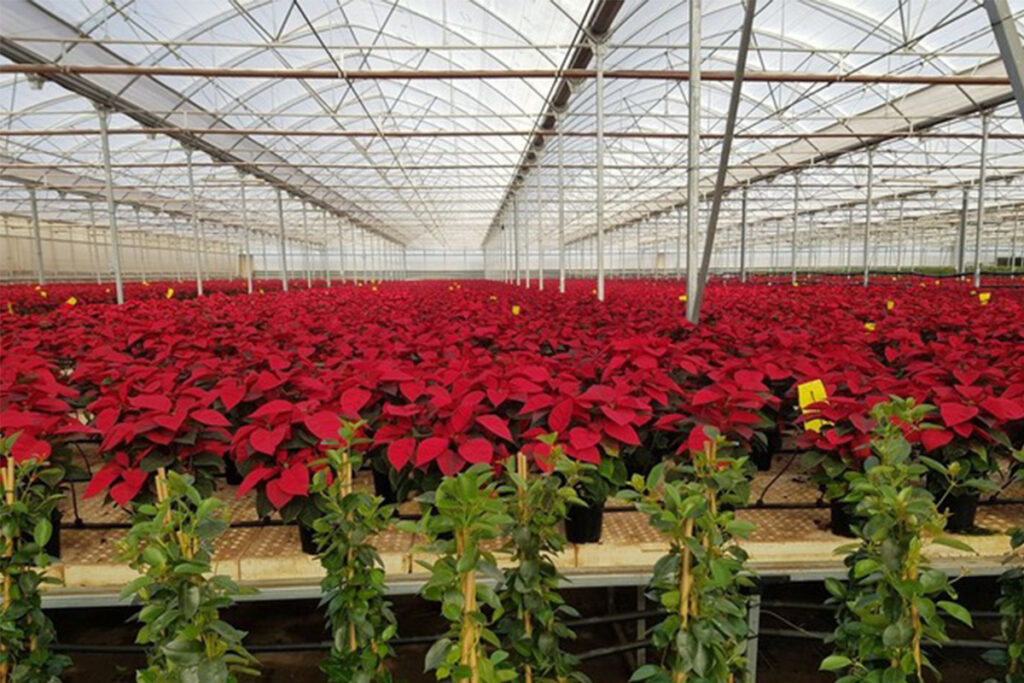
Forward Look: How Clear Film Can Work — If You Choose Right
Here’s a simple claim: clear greenhouse film can give better light transmission and higher marketable yields — but only when the film’s specs match your crop and microclimate. I switched a tomato nursery in Kingston in July 2018 to a UV-stabilized LDPE, 200-micron, multi-layer film and we saw a 12% rise in early fruit set over the next two months — measurable, repeatable. That change mattered because we addressed the three hidden user pains: condensation control (anti-drip), film thickness (resistance to hail and abrasion), and UV package (longer life). Now, think comparative: keep using cheap single-layer covers and you buy film twice a year — spend a little more on the right clear greenhouse film and you reduce replacements, labour, and crop stress. My advice comes from hauling rolls, training crews, and counting the real cost of failures — not theory. Quick note — small farms often under-budget for edge fixings and grommets, and that’s where most tears start; fix that first.
What’s Next?
Move from blame to measurement. Test a sample strip in one bay (24–48 hours monitoring). Track leaf wetness, light levels, and any early fungal signs. Compare film brands, check for explicit UV stabilizer data, and confirm film thickness in microns. Short trials give hard numbers — and they save fumbling investments.
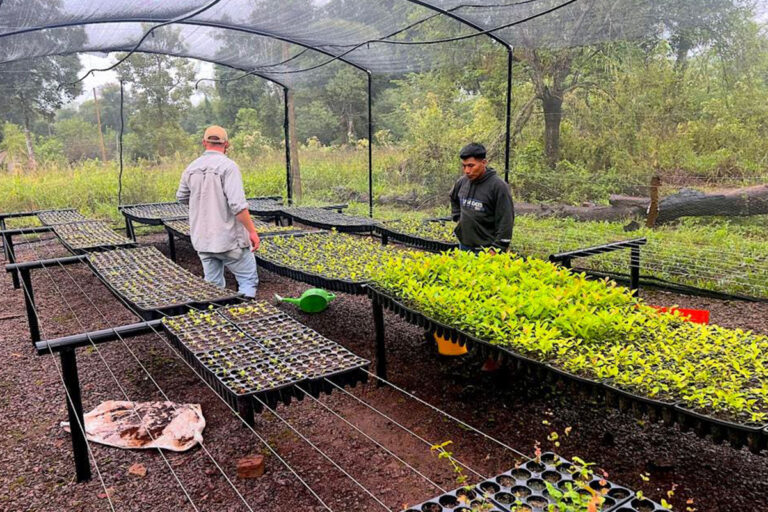
Choosing with Confidence: Three Metrics I Use Every Time
I won’t leave you with vague platitudes. When I advise wholesale buyers and growers I demand three clear metrics before purchase: 1) UV life and warranty (years rated under local sun), 2) Film thickness in microns (minimum 150–200 microns for multi-season use), and 3) Anti-condensation performance (lab or field data on drip reduction). These metrics cut through marketing fluff. Measure them on delivery, and hold suppliers to those figures — that’s how you stop repeating the same mistake. Also — be ready for small surprises. Sometimes the installer needs a reinforced hem or better tension bars; don’t skimp there. I’ve fitted hundreds of greenhouses and seen these three checks save growers both time and cash. Interrupting thought: it’s not glamour, but results matter. If you want samples that match Caribbean sun and market timing, I recommend starting with a certified roll of clear greenhouse film and running a 60-day trial in a single house. That gives you the numbers to scale confidently. For practical help or spec sheets, reach out to suppliers who actually work the fields — like me. HGDN