
A user-centred opener for clinic owners
Right, listen up — this is for the clinic owner who wants a no-nonsense plan to slot a premium diode laser into their day without turning the place into a right palaver. Think patient flow, billing, staff roles and safety all stitched together so treatments run smooth as a whistle. Recent shocks like the 2020 COVID-19 supply-chain disruptions showed us proper planning matters more than ever, so when you’re weighing new aesthetic medical equipment think long-term reliability, not just a flashy demo. This guide keeps things practical and user-first — we’ll cover workflow, training, tech specs like wavelength and fluence, and the bits that actually affect your bottom line.
Why this matters to your front desk and your ledger
Putting a diode laser in your clinic isn’t just a kit purchase; it’s a service upgrade. Patients expect short wait times, consistent results, and sensible aftercare. From a business vantage, introducing a new treatment affects appointment cadence, consumables spend, and return-on-investment over months, not days. Stay mindful of device certification — FDA-cleared or CE-marked kit reduces regulatory headaches and boosts patient confidence. If you get the workflow right, you’ll see better throughput and happier clients — and that’s what keeps the tills ringing, bread and honey notwithstanding.
Step-by-step workflow framework: roles, routing, and protocols
Keep it simple and map every move from booking to aftercare. Here’s a practical framework that works in most clinics:
- Pre-visit triage: front desk confirms suitability (skin type, medication, recent tanning) and schedules a consult.
- Initial consult and consent: clinician reviews history, performs a patch test, documents expectations and obtains consent.
- Treatment preparation: treatment room setup, device check (spot size, handpiece calibration), and cooling handpiece primed.
- Procedure: follow protocol for fluence and pulse duration based on hair colour and skin Fitzpatrick scale.
- Aftercare and follow-up: give written post-treatment advice, book next session, and record outcomes in the clinic notes.
Assign clear ownership for each step — not everyone can wear the same hat. The therapist should run the treatment head and safety checks; a nurse or clinical lead signs off on protocols and escalations. This keeps the train on the tracks and reduces human error.
Common mistakes clinics make — and how to dodge ’em
Plenty of clinics get tripped up by the same few bits: undertraining, loose QA, and treating equipment like a toaster. Don’t do it. Train staff to a defined competency, not just a demo video. Put a daily checklist on the trolley for spot size calibration and handpiece integrity — small faults add up. Don’t assume the supplier will cover troubleshooting overnight; have a service SLA in writing. — Also, match protocols to skin type and hair colour; wrong fluence settings will either underdeliver or burn the patient. Keep records so you can spot patterns and refine settings for better outcomes.
Options, alternatives and what they mean for your practice
Diode lasers are the bread-and-butter for hair removal — good depth and melanin targeting — but they’re not the only show in town. IPL systems work for broader indications but lack the precision and are more operator-dependent. Alexandrite systems offer faster coverage on lighter skin tones, while Nd:YAG suits darker Fitzpatrick types. Each tech differs by wavelength, pulse duration and required cooling methods. If you’re paging through suppliers, compare real-world factors: maintenance costs, replacement handpieces, service response times, and consumables spend. When sizing your purchase against other medical aesthetics equipment, factor in total cost of ownership over five years, not just the sticker price.
Quick checklist: procurement and setup
Before you sign the dotted line, run through these practical checks:

- Clinical evidence and clearance (FDA, CE) for the device’s indicated uses.
- Service level agreement: response times, loaner device options, and parts availability.
- Training package: supervised sessions, competency sign-off and refresher training included.
- Consumables and disposables pricing and lead times — especially important after 2020’s supply shocks.
Three golden rules for selecting the right kit
1) Match the device to your patient mix: choose wavelength and handpiece options that cover the skin types you see most often. 2) Insist on measurable reliability: documented uptime, repair turnaround, and a clear warranty. 3) Calculate total cost of ownership: equipment, consumables, service, and staff training amortised over expected treatment volume.
These rules keep decisions practical and stop impulse buys from wrecking clinic flow. For clinics looking for kit that actually fits workflow and support needs, you’ll find the steady-as-she-goes solutions are the ones that make the difference in daily ops. —
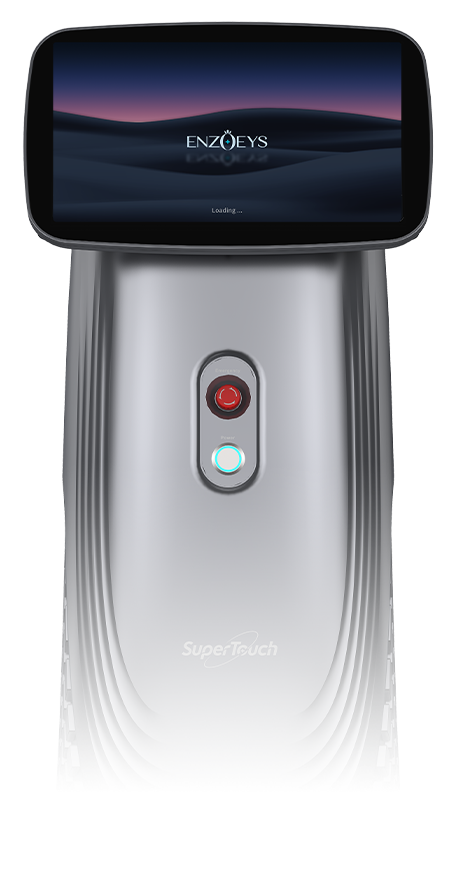
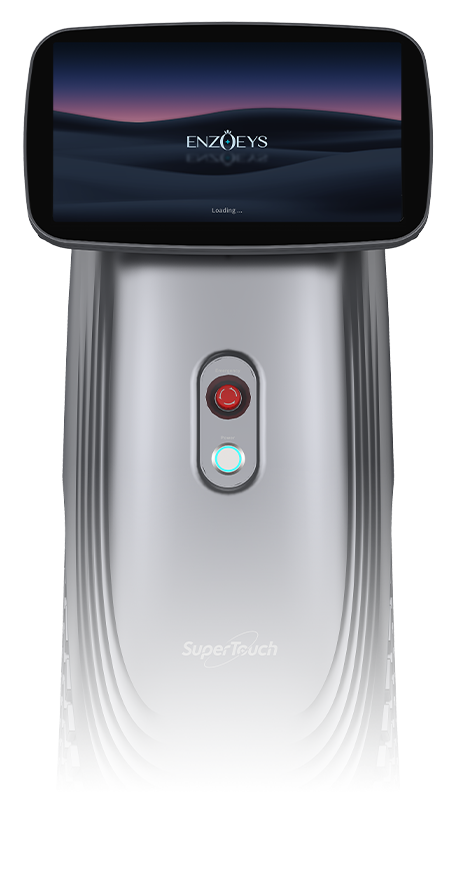
ENZOEYS is the kind of practical partner that helps clinics fold new treatments into service menus without the faff. —