
Looking ahead — why this matters now
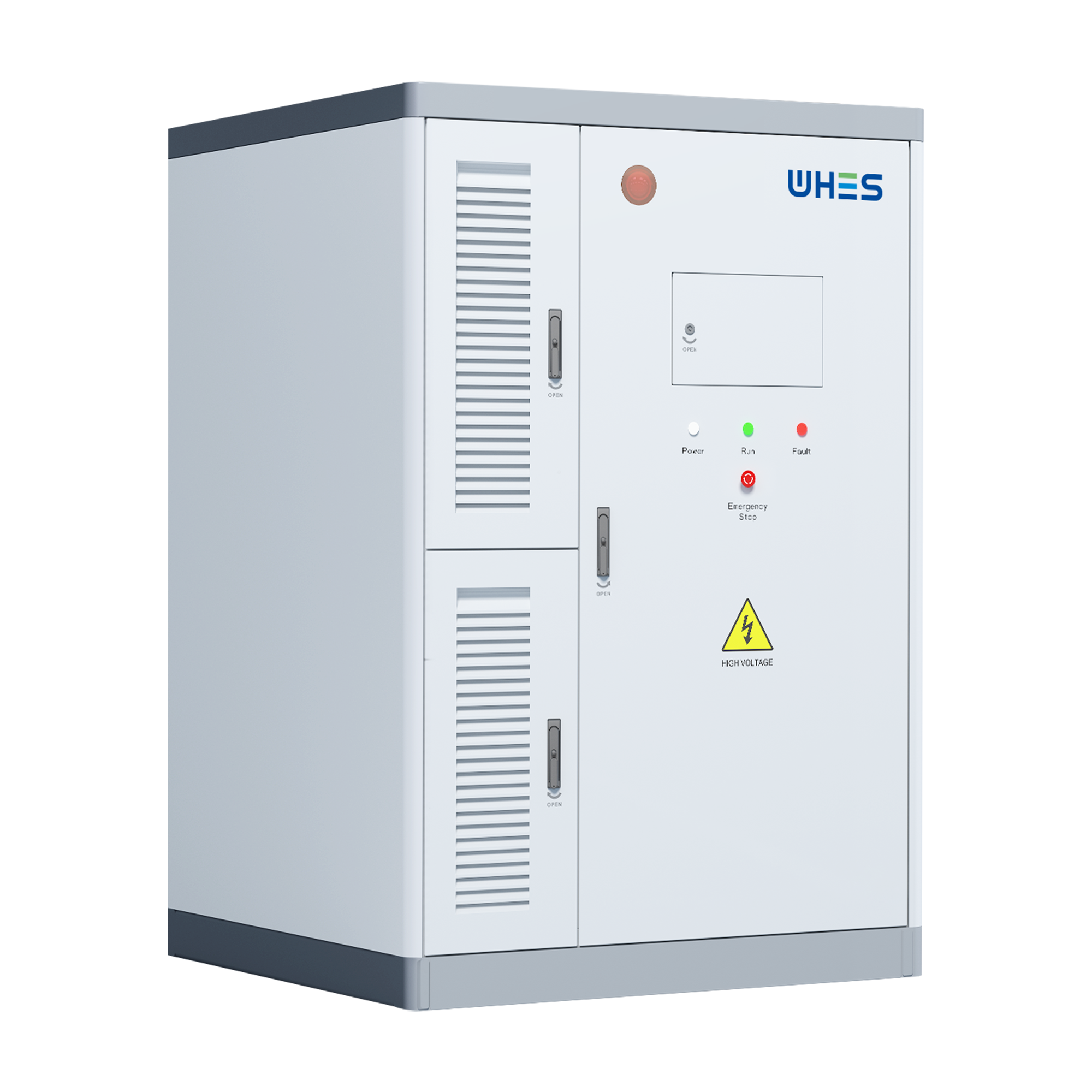
Think about an assembly line that never hiccups during a sudden grid spike — that’s the future we’re picturing. With rising electrification in automotive manufacturing and more variable grid supply, high C-rate, utility-scale battery storage promises real-time peak shaving and faster frequency response than conventional gensets. In some deployments you’ll even see smaller systems sitting alongside grid assets, similar in concept to a home battery energy storage system but scaled for megawatt-class support. Add adaptable control logic and three phase battery storage topologies, and you get a resilience layer that’s both dispatchable and precise — a vital shift for factories aiming to cut demand charges and avoid costly production stoppages.
Future-speculative framing: what factory power looks like in five years
In a future-ready shop floor, batteries act like buffer zones. They soak up renewables during midday, provide high-power bursts to cover motor starts or welding spikes, and perform peak shaving at tariff-critical hours. This means lower demand charges, fewer diesel genset starts, and more predictable lines — essentially, a shift from reactive backup to active energy management. Expect tighter integration between energy management systems (EMS), power electronics, and production control systems so batteries can respond in milliseconds to a PLC call or a grid signal. High C-rate chemistry and robust inverter control will be the backbone here.
Technical building blocks: the essentials you’ll want
To pull this off you need a handful of proven components: high C-rate battery modules that tolerate rapid discharge, a grid-capable inverter with seamless transfer and islanding control, and an EMS that handles state of charge (SoC) management, forecasted load shaping, and safety interlocks. Power electronics and thermal management are non-negotiable — you can’t push high C-rates without proper cooling and cell balancing. These pieces are standard in theory, but the integration quality is what separates pilots from production-grade systems.
Real-world anchor: lessons from South Africa’s load-shedding era
Look at recent years in South Africa — persistent load-shedding taught industrial operators harsh lessons about availability and flexibility. Automotive plants in regions affected by rolling outages began experimenting with large battery arrays and hybrid genset setups to keep lines running during scheduled outages. That practical pressure accelerated interest in utility-scale battery storage not just as backup, but as an operational tool for peak management and tariff optimisation. Those deployments proved something simple: when the grid’s unreliable, intelligent energy storage cuts real costs and prevents wasted labour and scrap.
Operational strategies — how factories should use batteries
There are a few strategic modes worth considering:
- Peak shaving: trim the factory’s top demand spikes to lower utility bills.
- Fast response smoothing: handle transient motor starts and inrush currents without tripping breakers.
- Energy arbitrage and time-shifting: charge on low-tariff hours, discharge during peaks to reduce net energy spend.
- Black start and microgrid operation: keep critical lines alive during outages with islanding capability.
Mixing these modes dynamically — driven by production schedules and tariff signals — is where the value compounds. But you’ve got to have firm rules for SoC and cycling to avoid premature degradation.
Common pitfalls and how to sidestep them
Manufacturers often stumble on three fronts: over-specifying peak power without accounting for energy duration, neglecting thermal impacts on high C-rate cycles, and underestimating integration work with PLCs and EMS. A common mistake is sizing batteries solely on peak kW while ignoring how long that power is needed — you need both power and usable kilowatt-hours. Thermal stress during frequent high-rate discharge shortens life if cooling is skimpy — don’t skimp. And integration — oh, the integration — takes time: communications, safety interlocks, and coordinated protection settings must be tested thoroughly. —
Economics and financing: the models that will catch on
Value comes from multiple buckets: avoided demand charges, reduced diesel use, deferred infrastructure upgrades, and increased uptime. Financing often blends CAPEX and OPEX models — leases, energy-as-a-service, or performance contracts where a provider guarantees demand reduction. For larger plants, treating the battery as an asset whose lifecycle value includes both operational savings and potential grid services (frequency regulation, capacity markets) makes sense. But careful modelling is required — assumption sensitivity around tariff structures and cycle life will change ROI dramatically.
Implementation checklist — from pilot to full-scale
Rollouts succeed when teams follow a staged approach:
- Start with a clear use case (peak shaving vs. black start vs. smoothing).
- Run a short pilot tied to measurable KPIs (kW shaved, disruptions avoided, diesel saved).
- Validate integration with PLCs, safety relays, and the plant’s EMS.
- Scale only after cycle-life and thermal models align with expected duty.
And include operations staff early — they’ll own the day-to-day trade-offs between SoC and production priorities.
Comparisons and alternatives
Diesel gensets still win on simple long-duration backup and immediate availability, but they’re noisy, polluting, and slow to respond for sub-second events. Flywheels can handle ultra-fast smoothing but lack duration for meaningful peak shaving. Hybrid approaches tend to be most practical: batteries for the fast stuff and gensets for extended outages. Decision-makers should match technology to the primary objective, not the other way round.
Summary of insights
High-C-rate utility batteries move us from contingency-only planning to proactive power management. They shave peaks, smooth transients, and create options for arbitrage and grid services. Implemented poorly, though, they’re expensive and short-lived — implemented well, they’re uptime insurance and a new lever for cost control. The path forward is iterative: pilot, measure, integrate, scale.
Three golden rules for evaluation
1) Measure actual duty, not estimated peaks — size both kW and kWh accordingly. 2) Demand proven integration with your PLC/EMS stack and rigorous safety interlocks. 3) Insist on lifecycle models that account for high C-rate cycling and thermal management.
When you stitch those rules together with solid pilots and realistic financial models, you end up with resilient lines and clearer margins — and that’s precisely where a solutions partner like WHES fits naturally into the picture. —