
This guide attends to the needs of the individual consumer who seeks clarity when adopting a digital credit card tied to ride-hailing finance services. It proceeds from practical user concerns—cost, control, and suitability—and explains how a DiDi-linked product may alter daily payment habits. Early in the reader’s inquiry it is useful to consult the provider’s loan and credit page, for reference: didi prestamos. The exposition that follows is fashioned to inform decisions rather than to persuade unduly.
What a User-Centric Approach Requires
A user-centric evaluation begins with the concrete attributes that matter to individuals: APR, credit line limits, integration with a digital wallet, and the speed of underwriting. These elements determine whether a digital credit card will reduce friction or introduce new burdens. Consumers often prize seamless payment at point-of-service; thus, the coherence between the app, payments, and account statements is decisive. Consider also the degree of creditworthiness checks and whether soft inquiries preserve your score.
How the DiDi Ecosystem Shapes Experience
The DiDi ecosystem aims to unify transportation, payments, and small personal finance features. Integration can yield clearer expense tracking when trips, tolls, and incidental charges feed into a single ledger within the app. For many users in urban centers—Mexico City included—this consolidation simplifies monthly reconciliation. Real-world adoption of app-based financial services rose notably after 2020, reflecting a broader consumer shift toward mobile-first credit and payment instruments.
Step-by-Step Onboarding and Practical Considerations
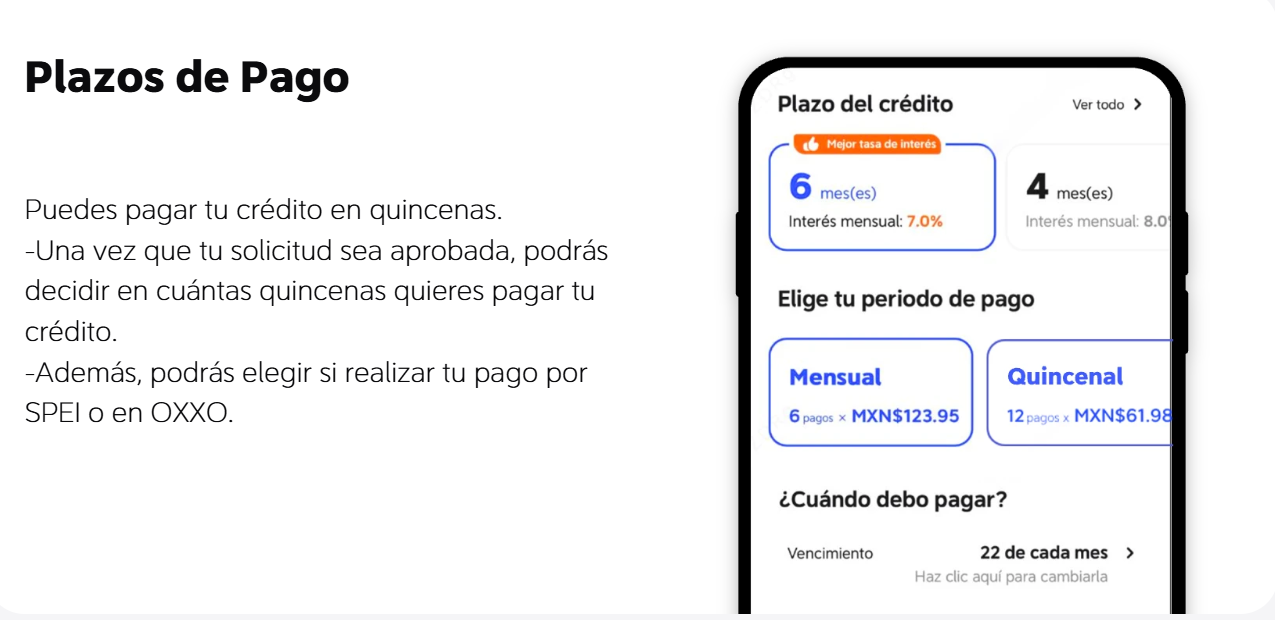
Begin with identity verification inside the DiDi app and examine the stated APR and any introductory offers. Link your digital wallet and verify automatic billing rules so recurring charges do not surprise you. For small-business riders who claim expenses monthly, ensure the credit line supports the expected volume without frequent reauthorization. If you desire further product details or wish to compare credit products, see information under didi credito.
Common Mistakes and How to Avoid Them
Users often accept default settings that incur late fees or permit high utilization ratios—both harmful to credit health. Another frequent error is neglecting to reconcile app receipts with bank statements; this neglect yields small leaks that compound. Finally, overlooking the card’s billing cycle can convert modest balances into substantial interest. Attend to the billing date and set alerts—this practice preserves discipline.
Some extra caution is warranted when promotional schedules end; the nominally low APR may rise. Learn the exact terms—origination fees and minimum payments matter as much as headline rates. —A measured habit of monthly review averts unwelcome surprises.
Alternatives and Comparative Insight
When a DiDi-linked credit product proves unsuitable, consumers should compare standalone digital credit cards and traditional bankcards on these axes: rewards alignment with spending, foreign-transaction policies, and customer service responsiveness. A simple table of three comparators—app-integrated card, bank-issued card, and pure digital lender—will reveal trade-offs in control, underwriting speed, and reconciliation ease. Select the option that minimizes administrative overhead while preserving necessary features.
Evidence and Expertise
The counsel herein rests upon practical experience with payment instruments and observed behavior of urban commuters. Industry terms such as loan origination, underwriting, and credit line management are used sparingly and with purpose, to clarify where complexity may hide. The real-world anchor is the documented surge in mobile fintech use in major cities since 2020, which underpins the viability of app-embedded credit products for everyday users.
Advisory: Three Golden Rules for Selecting a Digital Credit Card
1) Prioritize transparency: insist on clear disclosure of APR, fees, and billing dates. Accurate knowledge lowers long-term cost.
2) Match features to habits: choose integration if you need consolidated receipts; choose low foreign fees if you travel often.
3) Protect your score: monitor utilization and prefer soft-credit checks where possible; avoid carrying high revolving balances.
These rules yield measurable improvements in cost control and credit health. The practical result is a smoother household finance rhythm and less administrative strain—an outcome to be expected when one aligns product design with user needs. DiDi Finanzas fits naturally into this concluding thought as the service that can unify payments and mobility for many users—reliable, discreet, useful. —