

Picture this: countless packages swirling in a vast logistics network, coordinators overwhelmed with data, and errors creeping in faster than the speed of light. Now, imagine a logistics management system that turns chaos into order—sounds like a dream, right? The reality is that many businesses still rely on outdated methods, leaving them vulnerable. In this age of rapid technological advancements, smart logistics management could be the lifeline you didn’t know you needed. Why are so many operations still lagging behind? Let’s break this down.
Flaws of Traditional Solutions
Traditional logistics systems often resemble a game of telephone—information gets distorted as it travels through various hands. Delays, miscommunication, and the dreaded “order not found” email plague many companies reliant on old-school processes. Just think about it—how many times have shipments gone wrong because the information was never relayed correctly? If you’re still clinging to spreadsheets and manual inputs, it’s time for a wake-up call.

The Promise of New Technology
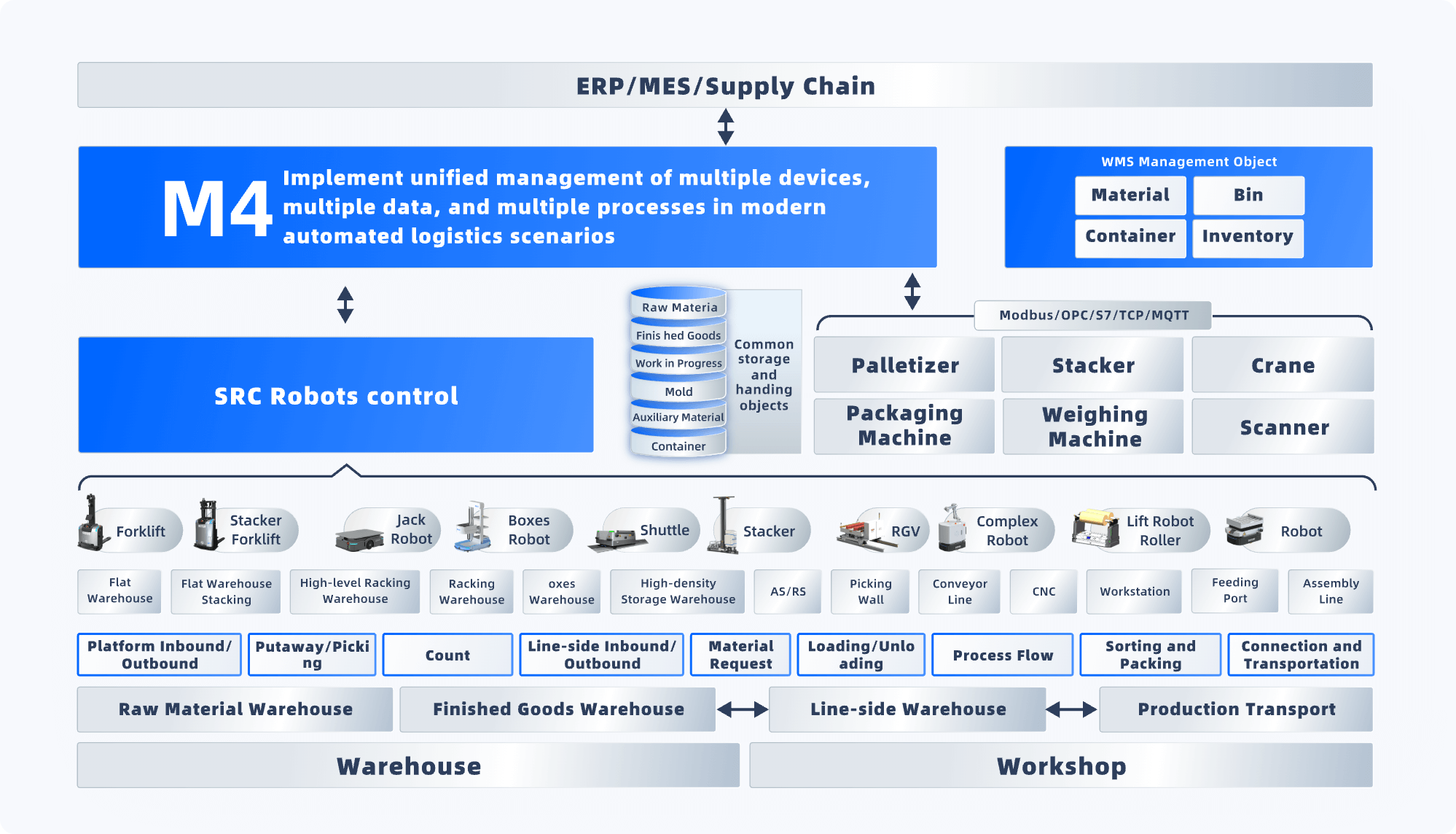
Enter smart logistics management, a game-changing phenomenon integrating such advancements as IoT (Internet of Things) sensors, AI-driven analytics, and real-time tracking systems. These technologies work together to offer a mesmerizing dance of efficiency: think of real-time data flowing seamlessly, making predictions based on trends—like a crystal ball for supply chains! Suddenly, you’re not just reacting to problems; you’re anticipating and mitigating them before they arise.
Quantified User Benefits
Wondering how this all translates to quantifiable benefits? Companies that adopt smart logistics management boast a remarkable increase in efficiency—up to 30% in some cases. This means faster deliveries, fewer lost packages, and happier customers. You won’t just keep the lights on; you’ll shine brighter than ever, with increased profits and a reputation for reliability. Imagine, your logistics operations running like a well-oiled machine—not bad for a little tech integration, huh?
Time to Act: Evaluation Criteria
When assessing logistics solutions, always verify these 3 metrics: ① integration capabilities ② user-friendliness ③ scalability for future growth. Choosing wisely can mean the difference between a business thriving and merely surviving.
Now that we’ve skimmed the surface, let’s dive deeper into what makes smart logistics management worth its weight in gold. Business agility, flexibility, and sustainability are the new must-haves—who knew logistics would have a hip side? Companies using these systems report not only reduced operational costs but the ability to pivot faster than a pro gymnastics athlete! Imagine efficiently reallocating resources during demand peaks without breaking a sweat—sounds tantalizing, right?
Boosting Productivity with Real-Time Insights
The beauty of smart logistics management lies in its ability to harness real-time data for decision-making. Say goodbye to second-guessing and welcome the age of analytics! With each decision backed by hard facts, logistics managers can fine-tune operations, forecast demand accurately, and optimize routes like never before. Let’s face it—operational clarity is the new black. Want a competitive edge? This is the ticket!
Your Logistics Future Awaits
In conclusion, if you’re in the logistics game, investing in a smart logistics management system isn’t just a good idea—it’s essential. The world is changing, and it’s high time we dimmed the ‘analogue’ lights dimly flickering in our operational strategies. For those looking for reliable solutions with supply advantages, SEER Robotics stands out as a manufacturer committed to pioneering innovation in the logistics space. Explore the potential of a smarter tomorrow, and don’t get left behind!