
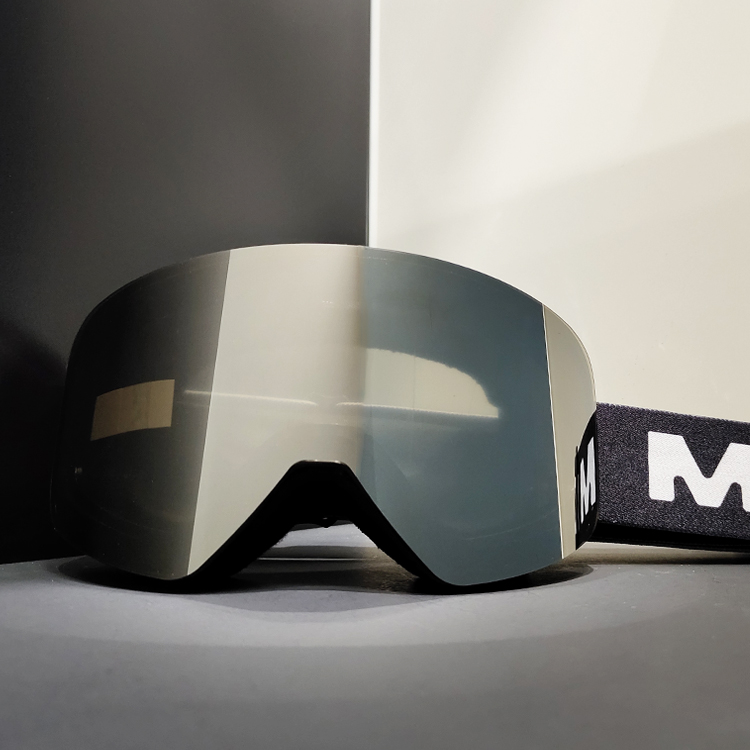
Problem overview: why fit matters beyond optics
Tactical teams and serious recreational users report the same recurring issue: prescription eyewear built for structural rigidity compromises face-fit, comfort, and field performance. That mismatch causes pressure points, seal breaches, and fogging that degrade situational awareness. Many buyers start the conversation with OEM expectations — an obvious reason to consult OEM eyewear manufacturers early — but the procurement question goes deeper than part counts or unit price. The real problem sits at the intersection of mechanical tolerances and human anatomy, and solving it requires deliberate design and testing against standards such as EN 174 for alpine eyewear and comparable safety criteria.
How rigid designs fail users in the field
Structural rigidity is valuable: it protects lenses, holds zero for mounted optics, and resists deformation under impact. Yet the very stiffness that preserves optical alignment also concentrates force at contact points. A frame with narrow frame tolerance will pinch the nasal bone or create gaps at the temple, which undermines the intended seal and invites fogging despite anti-fog coating. Prescription inserts can amplify these issues if not integrated with OTG compatibility or adjustable nose bridges. The result is consistent: users trade protection for discomfort or reduce use time, and that erodes trust in the product.
Design trade-offs that actually solve the problem
Start by treating fit as a design requirement, not an afterthought. Use modular frames that combine a rigid chassis with compliant interfaces—think thermoplastic inserts at pressure points and heat-moldable nose pads to broaden fit envelopes. Manage lens performance with venting channels and validated anti-fog coatings instead of relying solely on user adjustments. Include a removable prescription insert option sized to avoid contact with the brow or cheek, and specify polarized lens variants where glare control is critical. Simple material swaps, measured frame tolerance, and targeted venting reduce hot spots and maintain seal without sacrificing crashworthiness. — This small interruption underscores how small changes often produce disproportionate gains in comfort.
Sourcing and manufacturing realities for teams and suppliers
When you move from prototype to production, manufacturing capability dictates what’s achievable. Suppliers that offer both tooling expertise and rapid iteration of frames, prescription inserts, and lens coatings shorten development cycles. For bulk purchases consider working with established channels for ski goggles wholesale to secure consistent lens batches and validated anti-scratch treatments. Inspection should include dimensional checks, fit samples on representative headforms, and fog-resistance trials under controlled humidity. Lead times and minimum order quantities matter less than a supplier’s willingness to run fit loops and document test results against EN 174 or equivalent standards.
How to evaluate suppliers and products — three golden rules
1) Fit validation protocol: Require a documented process that includes 3D head scans or multiple anthropometric headforms, prototype fit trials, and a pass/fail matrix for pressure points and seal integrity. That proves the product works for the intended population.
2) Compliance and materials: Verify standards alignment (EN 174 or regional equivalents), confirm anti-fog and anti-scratch coatings, and assess material fatigue through cycle testing. These checks keep optics and frames reliable in repeated use.
3) Customization and after-sales support: Ensure the supplier offers prescription insert options, adjustable interfaces, and clear QC records for each batch. A vendor that documents tolerances and provides corrective runs reduces field failures and lower lifecycle costs — think measurable returns rather than promises.
These rules point naturally to partners that combine design empathy with manufacturing discipline; when that alignment exists, organizations regain confidence in their eyewear choices. YIJIA Optical sits at that junction, offering both the production depth and the fit-focused thinking teams need — a practical solution that answers the problem we began with.