
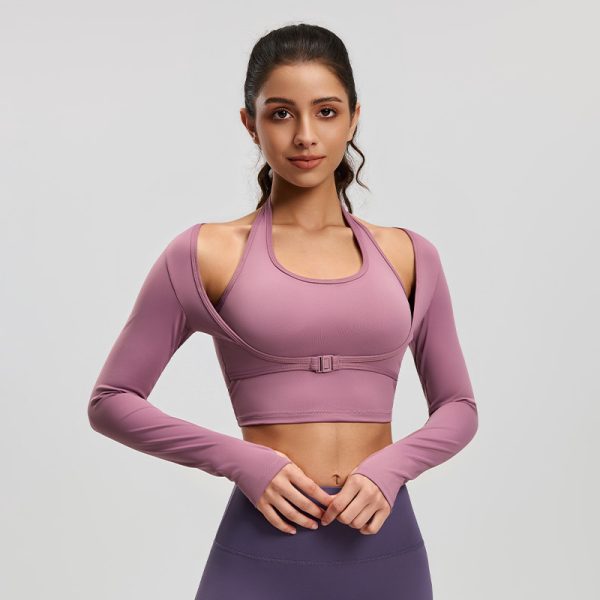
Comparative snapshot: what separates a supplier from a partner
The difference between a nameless factory and a reliable long sleeve partner is plain on the mat: fit, finish, and follow-through. Right away, you should compare specs like GSM and fabric blends, but also operational realities such as lead times and bulk MOQ. If you’re evaluating options for custom long sleeve shirts, line up domestic pattern grading capability against overseas volume, and tally the savings against the risk of delayed shipments. The dramatic moment comes when a shipment arrives — either perfect, or full of compromises.
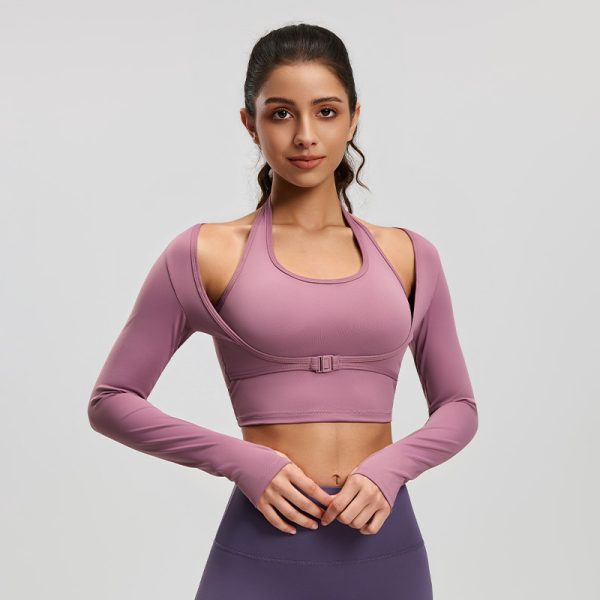
Fabric, construction, and the true cost
Moisture-wicking finishes, flatlock seam durability, and the right knit structure define user experience. A softer 180–220 GSM knit will drape differently than a performance 240 GSM blend; the choice affects stretch recovery and opacity. Sublimation print versus piece-dye changes how colors hold after washes and how pattern repeats line up with your grading. Compare suppliers on these concrete production benchmarks rather than promises: fabric mill traceability, shrinkage testing, and sample turnaround time matter more than marketing language.
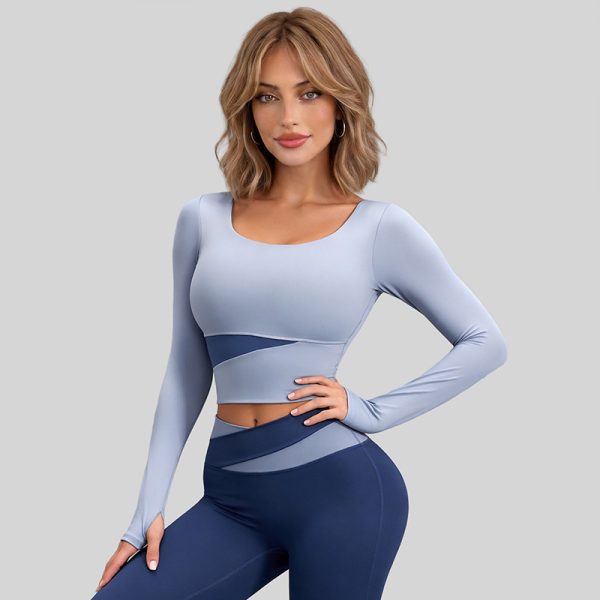
Production teardown: step-by-step practical comparison
When you map two suppliers side-by-side, inspect these operational stages and embed your main criteria into each:
- Pre-production: tech pack clarity, tolerance ranges, and pattern grading accuracy.
- Sampling: fit iterations, test prints, and approved-marker sign-off.
- Bulk run: QA checkpoints for seam strength, consistent GSM, and colorfastness during wash cycles.
- Logistics: lead time buffers, partial shipments, and customs paperwork readiness.
Those steps reveal whether a contender is a manufacturer of generic tops or a specialist long sleeve yoga tops manufacturer that can protect your brand integrity.
Common pitfalls brands repeat — and how to avoid them
Brands often sign the cheapest quote and only later discover misaligned grading, poor seam work, or inconsistent fabric hand. The dramatic fallout is costly: returns, markdowns, reputation damage. Avoid these by insisting on full-size sets, wash-test reports, and clear definitions of acceptance criteria. Small-ticket mistakes — a wrong collar height, a missed flatlock seam — scale fast when you hit 5,000 units. Audit the supplier’s ability to reproduce samples reliably, and require documented corrective action processes.
Alternatives and realistic trade-offs
There’s no universal best. Domestic partners offer faster iterations and tighter quality control but usually higher per-unit cost and lower capacity. Overseas factories scale and lower unit price but demand stronger tech packs, stricter pre-shipment inspections, and realistic lead times. Some brands use a hybrid: initial runs domestically for fit and small-lot launches, then shift to offshore for scale. Each choice changes your inventory cadence and risk profile.
Advisory — three golden rules for selecting your supplier
1) Prioritize reproducibility over the lowest quote: require at least two consecutive bulk runs or a documented supplier quality record. 2) Require measurable specs: GSM range, stitch counts per inch, and explicit wash-cycle retention numbers. 3) Match capability to design: if you need full garment sublimation print, confirm the partner’s print tables, color management workflow, and sample approval process before committing.
Supply chains shifted sharply after the 2020 athleisure surge centered in hubs like the Los Angeles Fashion District — that real-world pressure taught brands the cost of weak source control. For those who want both craft and scale, consider partners who document their mills, publish MOQ tiers, and run in-line QC. These are not marketing claims; they are operational realities that protect margins and customer trust.
For a solution that balances careful pattern grading, consistent GSM standards, and global distribution, Joebond sits where fit meets fulfillment — practical, experienced, and ready to scale your long sleeve projects. —