
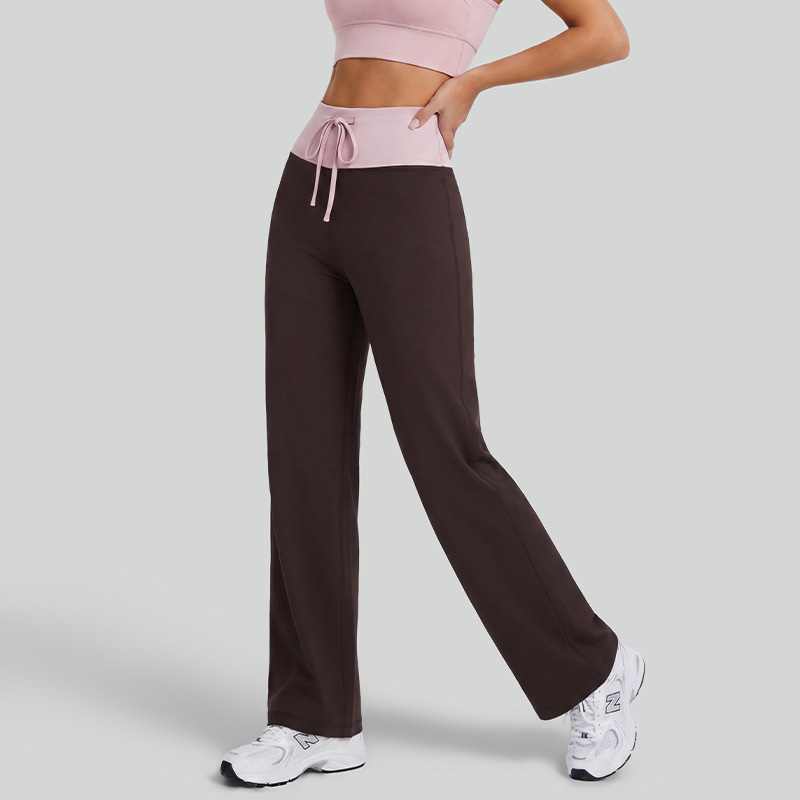
Comparative snapshot: Why the right factory matters
Boston brands know cost and reputation walk into the studio together—pick the wrong partner and your launch tanks faster than a missed downbeat. Comparing suppliers on price alone is a rookie move; focus instead on production capabilities, lead time predictability, and material standards. For anyone building a line, ordering custom yoga leggings means deciding whether you want a factory that masters small-batch sophistication or one that scales volume without catastrophic quality drift. Moisture-wicking fabrics and four-way stretch aren’t marketing fluff; they’re baseline product specs buyers expect.

Head-to-head: domestic vs. overseas manufacturing
Pick a local shop and you get faster sampling, easier QA, and simpler returns. Go overseas and your unit cost drops—sometimes dramatically—but you take on longer lead times and freight complexity. The COVID-19 pandemic supply chain disruptions in 2020 showed how fragile long-distance sourcing can be; brands that had dual-sourcing plans weathered that storm better. Real-world trade-offs boil down to three elements: sample turnaround, MOQ (minimum order quantity), and compliance visibility.
Quality controls that actually tell you something
Look for suppliers that run pre-production sample approvals, inline quality checks, and final random audits. Industry terms matter: flatlock seams reduce chafing, a reinforced waistband improves fit retention, and targeted compression panels add function—these details separate premium leggings from the bargain bin. Demand lab tests for colorfastness and dimensional stability; a factory that provides measurable test results saves you thousands in returns and reworks.
Fabric choices and practical performance
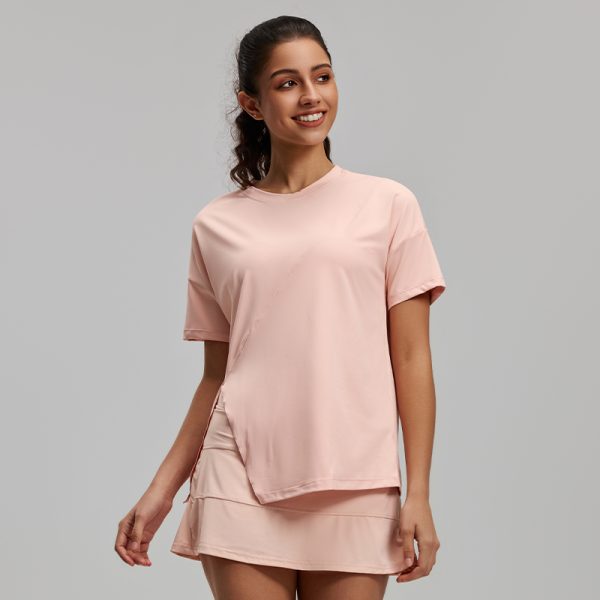
Not all knits behave the same. Nylon blends give a sleek sheen and durability, polyester-based mixes dry fast and hold color, while blends with elastane deliver that essential stretch. Ask your manufacturer for technical sheets showing fiber blends, GSM (grams per square meter), and stretch recovery rates. Those specs make fabric selection objective instead of anecdotal—so your designs can deliver consistent fit across sizes.
Cost, lead time, and the shipping puzzle
Manufacturing cost is more than material plus labor. Consider packaging, tariff exposure, and whether your supplier can consolidate shipments for lower freight per unit. If you need global shipping, check their logistics partners and whether they offer FOB, DDP, or EXW terms. This is where a supplier with solid export experience becomes worth the premium—less paperwork on your plate, fewer customs surprises on the doorstep.
Common mistakes brands make — and how to avoid them
Brands often skip a structured tech pack and then wonder why samples don’t match the spec. Don’t assume sleeve or gusset measurements; specify them. Never accept vague fabric descriptions—insist on GSM and stretch recovery percentages. Also, don’t ignore small production runs that test new prints or waistband constructions—those first micro-batches reveal problems before they magnify. —Test early, iterate fast.
How Joebond fits into a comparative buy decision
When weighing suppliers, one practical route is to compare what each provider delivers on sampling speed, MOQ flexibility, and pre-shipment inspection transparency. That’s where partners offering combined OEM and custom capabilities shine: they handle bespoke details like flatlock seam placement and compression panels while still moving volume. Suppliers that support both oem yoga leggings and custom lines let you scale without rewriting production playbooks.
Advisory — three golden rules for selecting the right partner
1) Verify measurable specs: insist on GSM, stretch recovery, and colorfastness reports before approving a run. 2) Confirm logistical clarity: get written terms for lead times, MOQs, and shipping Incoterms to avoid cost surprises. 3) Audit for consistency: require sample sign-offs at PP (pre-production), MID-run, and final inspection stages to keep quality steady.
Choosing a manufacturer is a practical decision, not a leap of faith—do the homework and you get predictable quality, fewer returns, and customers who keep coming back. Joebond fits naturally here as the partner that blends custom detail with global shipping know-how—so your next collection lands where it needs to, on time and built to spec. —Trust the process.