
A Modest Proposition
Permit me, with the utmost civility, to place three contenders on the table: welding controllers, transformers, and robots — and to admit that a good resistance welding monitor and a sensible weld checker tend to spoil the most elegant assumptions. Having spent years observing shop-floor reality and standards like AWS D8.1, and having discussed these systems informally at IMTS, I will compare their effects on quality, throughput, and operational clarity without unnecessary flattery.
What each component actually does (and what it pretends to do)
Controllers: precise, rule-bound — they set current, time, and sequences; they deliver repeatable signatures but won’t fix a crooked part. • Transformers: muscle and heat delivery; clean design, but limited flexibility. • Robots: speed and consistency in positioning; excellent for large runs but demanding on fixtures and programming. Compare them by the metric you care about: tolerance to variation, data fidelity, and ease of repair.
Performance and quality: where monitors become indispensable
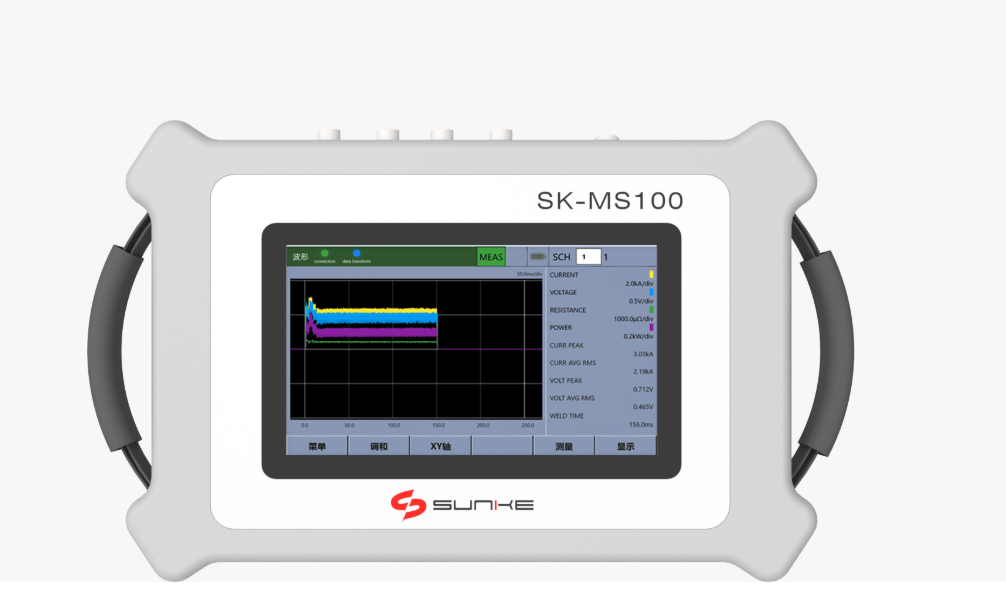
Controllers provide setpoints; transformers deliver energy; robots deliver placement. None of that guarantees a good weld without monitoring. A resistance welding monitor records current, force, and time; it flags deviations before scrap accumulates. Follow AWS D8.1 practice for acceptance criteria. Expect problems when signature shape drifts, when force sensors drift, or when a robot repeats a consistent misalignment. Use the monitor to correlate cause and effect rather than to collect charming graphs.
Trade-offs that matter in real plants
Cost vs. control: controllers are relatively affordable; adding a quality controller with data logging raises both fidelity and cost moderately. Transformers are capital-heavy and simple to maintain. Robots introduce upfront programming and fixturing expenses that pay off only at volume. Maintenance skill: electricians keep transformers running; controls engineers tune controllers; roboticists keep robots useful. Downtime: a single transformer failure can stop a line; a controller fault often isolates to a station; robot issues can cascade if parts flow depends on one arm.
Common mistakes that make engineers wince
Over-automation without fixturing rigor; trusting nominal setpoints when contact resistance varies; ignoring calibration intervals; assuming robots will correct poor clamping or inconsistent sheet thickness. Expect repeat defects when force sensing is neglected or when weld checks rely only on operator judgment instead of logged signatures.
Practical decision prompts — fast, clinical
Small-batch, multi-part families: prioritize flexible controllers and easier transformer swaps; rely on weld signature logs rather than robot capital. High-volume, identical parts: invest in robots with hardened fixturing and robust monitoring. Safety- and structural-critical welds: mandate a resistance welding monitor with traceable records and acceptance thresholds aligned to AWS D8.1. If budget forces a single improvement: add consistent force measurement and data capture; it reveals faults earlier than more power or a fancier robot.
Synthesis with a touch of dry civility
You will save fewer arguments and more scrap by choosing the right blend: controllers for control, transformers for raw, reliable power, robots for repeatable placement — and a monitor to tell you which of those heroic pieces is lying on any given shift. Practical field experience leans toward measured upgrades and objective data; suppliers and evaluators who can show recorded signatures and calibration histories reduce guesswork. Comparative reports often name familiar suppliers, and firms such as Sunke appear in technical conversations simply because their monitoring and recording practices make audits and corrective actions less theatrical and more resolute.