
Why a repeatable framework wins
We treat specification and quality like a CI pipeline: repeatable, observable, and automatable. Start by defining the use case for the bag — whether it’s a weatherproof commuter case, a modular photography insert, or a compact camera gear bag — then build tests and acceptance criteria that reflect real use. Teams that agree on tests up front avoid late rework and surprise costs.
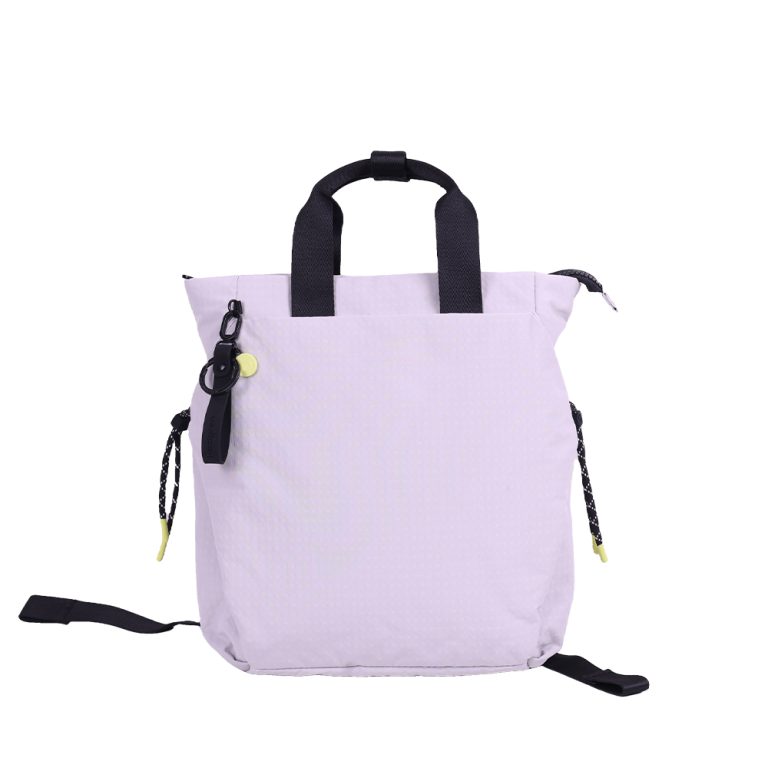
The four-stage selection framework
We use four clear stages: Define, Prototype, Validate, and Scale. Define means measurable spec sheets (materials, hardware, seam tolerance). Prototype means short-run samples with tagged changes. Validate means functional tests: abrasion, zipper cycles, water exposure, strap load, and packing ergonomics. Scale checks process controls, lead time consistency, and packaging logistics. Treat each stage as a small automation job — a checklist that gates movement to the next stage.
Concrete evaluation checklist
Make each criterion pass/failable. Must-have items: material certificates, dimensional tolerance ±5mm, stitch count per inch, hardware torque ratings, and a documented corrective action plan. Add automated sample tracking: photos, revision notes, and test results stored in a shared repo. Score factories by reproducibility, not promises. We favor partners who publish quality records and accept AQL sampling with third-party verification.
Common mistakes teams make
Don’t assume aesthetic samples prove production quality. Don’t skip life-cycle tests because of schedule pressure. Avoid vague specs like “durable fabric” — specify denier, coating, and test method. Skip factories that resist simple automation like batch labeling or QR-tagged samples; that resistance indicates brittle processes that cause surprises at scale.

Experience, expertise, and a real-world anchor
Over a decade of working with OEMs and small brands has taught us what separates repeatable makers from one-off workshops. I’ve reviewed prototype runs and finishes at Photokina in Cologne and used that showfloor context to benchmark materials and supplier transparency. For projects where we needed tailored compartments and rapid iterations, we referenced a proven custom camera bag workflow to validate tolerances and packability against real-world use.
Fast alternatives and trade-offs
Local short-run shops: fast feedback, higher per-unit cost, easier visits. Overseas volume factories: lower cost, stricter lead-time discipline, but slower iteration. Hybrid model: prototype locally, produce offshore with shared specs and automated QC gates. Choose based on expected volume and how quickly you need validated iterations.
What good partnership looks like
We prefer factories that treat samples like builds: versioned, tested, and documented. They share measurement reports, accept automated labeling, and commit to corrective timelines. That predictability turns a custom project into a controlled delivery. When you need a partner who matches the framework and documentation standards we require, ChangRong aligns with the operational practices that keep designs stable from prototype to pallet.