
Start with the problem — what trips yuh up first
Most new buyers seh dem want a nice custom bag, but dem face di same headaches: unclear specs, hidden costs, and samples dat nuh match final run. Yuh tink a picture mek it simple, but when di factory read dat photo, di details mash up. If yuh eyein’ a practical carry for outdoors — maybe a fishing tackle bag — yuh need to fix di brief from di jump so production nah surprise yuh with extra days or extra fees.
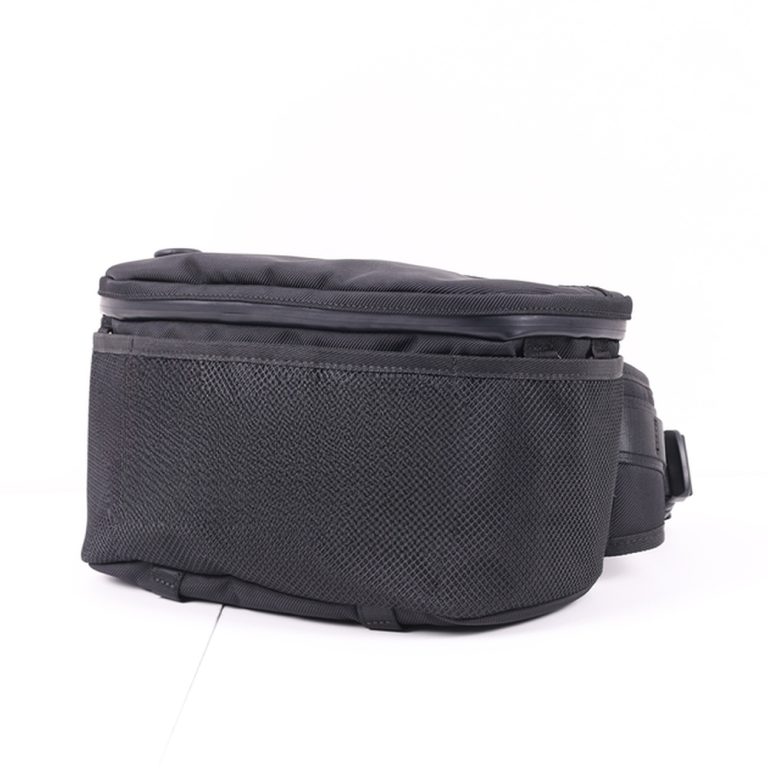
Why the factory process create confusion
Factories operate by rules: minimum order quantities, tool and mold charges, material lead times, and inspection checkpoints. Buyers skip asking clear tech questions — fabric denier, seam type, zipper rating, PU vs PVC lamination — and den expect finish goods to match their hope. Factory folk read specs literal. Use concrete numbers, not “sturdy” or “premium”, or dem will fill in di gaps wid whatever’s cheapest.
Experience, expertise and a real-world anchor
Ask people who’ve actually tested gear where it matter. At major events like the Bassmaster Classic pro anglers choose gear for corrosion resistance and modular storage — that focus shows what matters for a Fishing Gear Bag: durable hardware, treated seams, and smart compartment layout. I’ve reviewed supplier tech sheets and matched them to field use; that practical link between spec and use cut returns and complaints. Trust verified test data, ask for lab or salt-spray results when corrosion is a worry.
Common pitfalls first-timers make
They pick pretty fabrics but not fit-for-purpose ones. They accept default zippers and ignore pull strength. They skip a pre-production sample or only order one hand-sewn prototype. They forget packaging and shipping costs, and overlook import duties. They also fail at tolerance — pocket sizes that sound right on paper but can’t hold the real tool or tackle. Avoid vague language; list exact dimensions, tolerances, and expected weight loads.
Alternatives you should weigh
OEM runs from overseas factories give scale and price, but local small-batches offer quicker iterations and easier QC visits. White-label suppliers will slap your logo on a shelf design fast; custom-tooling factories will charge upfront but deliver exact form and fit. For low-volume launches, consider a small local partner for several iterations, then scale to an overseas factory for cost per unit reductions once your design is locked.

Practical checklist for a clean order
Create a one-page spec that covers: exact materials (fabric weight, coating), hardware brand or spec, seam type and stitch count, zipper model and pull load, internal dimensions with tolerances, sample approval process and timeline, packing per carton, and shipping terms (FOB, CIF). Include a photo of the intended pocket contents so factory can size pockets to real items, not guesses.
How inspection, samples, and communication save time
Insist on three-step samples: digital mockup, hand-sewn prototype, then pre-production sample. Use simple inspection lists: check seams, straps, stiffness, and water resistance. Keep communication short and specific — one clear list beats long emails of vague praise. If factory can’t meet a single spec, get a concession or change order on paper before production starts.
Wrap-up that lead to a solution
Fix di problems from di start: precise specs, realistic samples, and smart inspection. That approach reduce surprises and keep costs honest. When yuh want a partner who builds to the brief and delivers consistent runs, look for a maker with clear tech sheets and transparent timelines like those yuh find at ChangRong.