
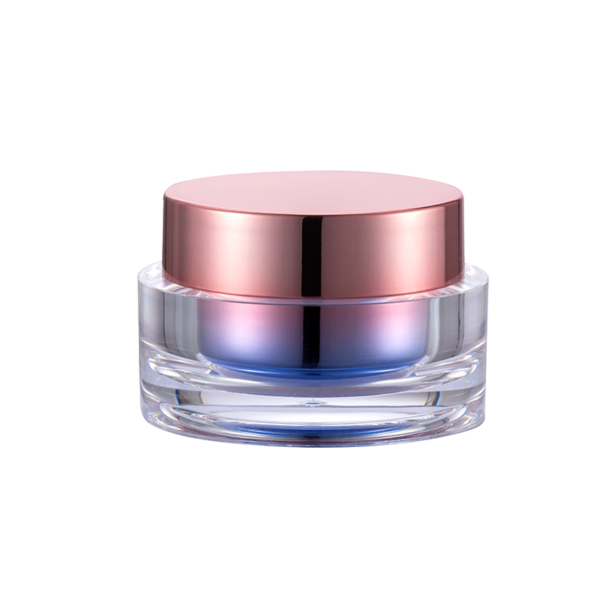
Why This Jar Matters More Than You Think
We start by defining the thing that many teams treat as a given: manufacturing design controls how a package behaves in real use. In daily runs, an acrylic cream jar looks simple, yet it is a system of cap, body, liner, thread, and finish. One line change in injection molding, or a small shift in torque spec, can raise returns and dull brand trust. Teams see it in the field—skincare shipped in winter and humid summers, with reports of loose lids, haze, or micro-leaks. Internal data from audits often show that even a 0.2 mm variance in thread pitch increases open-force spread by 30%. That is enough to upset customer experience, and it is costly.

The scenario repeats across regions and SKUs. A cap feels tight in the lab, but not in the store. A jar looks crystal on day one, but shows stress cracking after a month under LED shelf lights (heat plus UV). Are your tolerances aligned with real user handling, or only with drawings? Are the liners resisting compression set, or just meeting a baseline? These questions are not academic; they set your return rate and review score. So, where do we look for leverage—and what do we compare next?
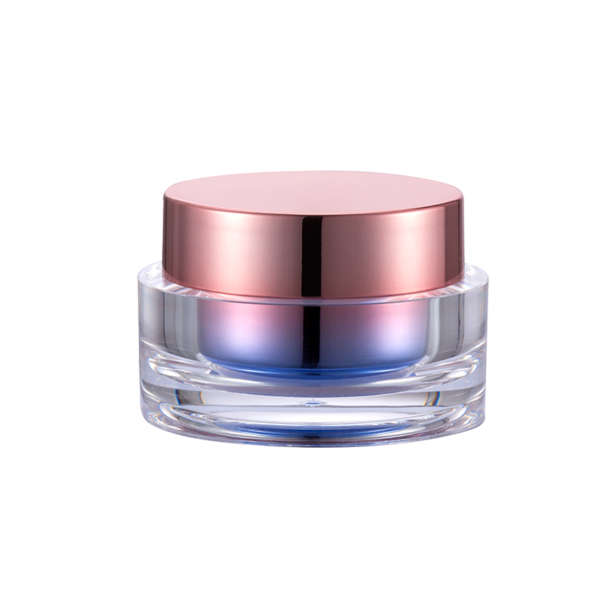
The Hidden Friction Points That Specs Miss
Where do the small failures hide?
Directly put: buyers do not feel tolerance bands—they feel ease, clarity, and clean closure. Many acrylic cream jar manufacturers meet drawing specs, yet users still report slip, fog, or stubborn caps. Why? Micro-factors stack. Thread start variance meets under-cured liners; cap torque meets cold flow in transit; surface energy varies, so labels lift at the heel. A gate vestige, not polished well, scuffs during cartoning and makes a “new” jar look handled. The product is fine, yet the eye says “worn.” And consumers decide fast—under three seconds, in most trials. Look, it’s simpler than you think: if a tiny warp creates 1° tilt, the base wobbles, users over-tighten, and stress marks spread— and yes, it matters.
Legacy fixes often fail. Heavier wall? It may amplify sink marks without better cooling control. Thicker liner? It can increase compression set and reduce seal life. A stronger cap? It risks higher break torque for seniors. Better is targeted control: stable cap torque windows, UV stabilization for clarity retention, and consistent injection molding cooling near the neck to keep threads true. Add small tests: glide-force checks, drop cycles at 5°C, and AQL that flags haze before packing. These are not exotic ideas, just measured ones that reveal the actual pain points before your social ratings do.
Comparative Paths to Better Jars
What’s Next
Let us move forward with a comparative lens. One path is process-first: digital mold monitoring, on-press cavity pressure sensors, and SPC on thread pitch. This reduces drift that humans can’t see. Another path is surface-first: plasma treatment to tune surface energy, so labels and inks hold under sweat and oil contact. A third is transport-first: capper upgrades that control torque and angle in a single pass, cutting over-tightening by design. When you work with an acrylic cream jar manufacturer that can pilot these steps, you compare not only samples but stability over time—funny how that works, right? The winner looks the same on day 90 as on day 1, under shelf light and bathroom steam.
Consider a simple case. A brand saw fogging after four weeks. The fix was not a new resin. It was better cooling at the neck, lower residual stress, and a slight cap-liner change to reduce trapped vapor. Add a narrow torque window and a 10-drop cold test, and complaints fell within two cycles. The principle is steady: fewer variables, tighter controls. From here, your evaluation should be clear and calm. Three metrics help teams choose well: 1) thread integrity index (pitch and ovality across lots); 2) optical clarity retention under UV exposure; 3) cap-to-body break torque spread after thermal cycling. If you align these with your go-to brand tone and buyer use, your jar stops being a risk and becomes a quiet asset. Knowledge shared, not sold—exactly how it should be, with partners like NAVI Packaging.