
Introduction — a short workshop story, numbers, and a pointed question
I once stood in a small shop where a machined aerospace bracket sat half finished on a vise, and the lead tech sighed, “We lost another hour chasing chatter.” That scene is common—sawa? In the same breath, I tell you that many 5 axis CNC machining center manufacturers report yield gaps of 8–15% on complex multi-axis parts, and downtime ticks up when setups multiply. (I remember counting changeovers like beads on a string.)
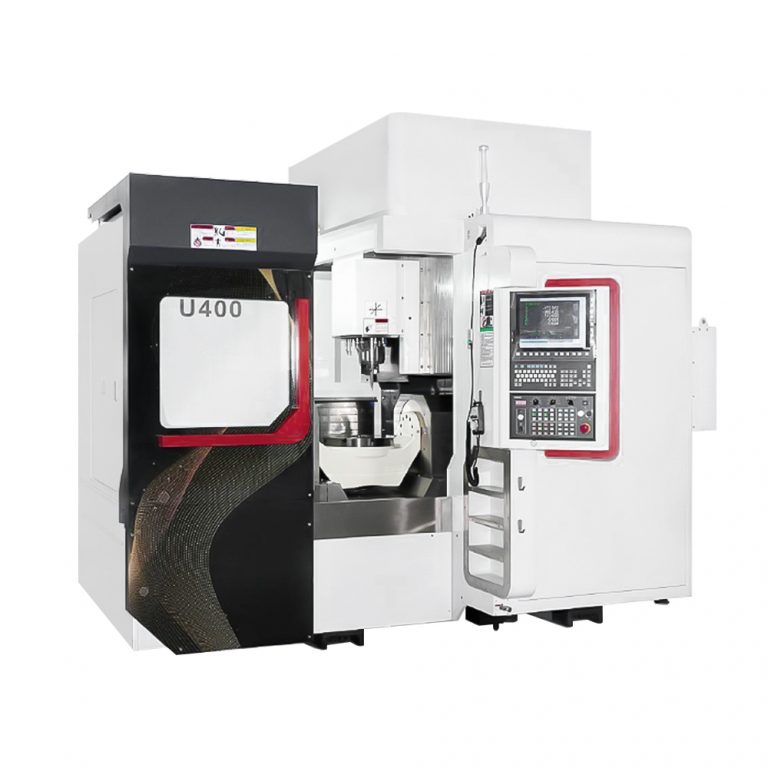
Here’s the picture: a scenario of late batches, a handful of scrapped prototypes, and data that shows throughput isn’t keeping pace with demand. I ask simply: what are these manufacturers missing when they promise five-axis freedom but deliver repeatable headaches? This intro is my invitation to dig deeper — we will look at real pain points and practical fixes, step by step, so you can decide what to act on next.
I’ll share what I’ve seen, what the numbers hint at, and why some fixes are cheaper than you think. Ready? Let’s move into the real faults behind the happy marketing words.

Part 2 — Why old fixes fail: technical breakdown of the common flaws
When I examine a 5 axis horizontal machining center, the first thing I probe is the machine’s control of motion — not the glossy specs. Too often, shops rely on band-aid solutions: heavier clamps, slower feedrates, or extra passes. Those can mask issues, but they don’t fix root causes like poor interpolation or mismatched servo tuning. Look, it’s simpler than you think: if your spindle speed control and tool path interpolation disagree, you get chatter and poor surface finish. That’s why I always test axis synchronization under realistic load before signing off on a setup.
What’s the catch?
The second catch is the human side: programmers hand off CAM files without verifying tool changer timing or checking ball screw backlash. I’ve watched programs assume perfect linear guide behavior and then blame the cutter when tolerances slip. In practice, old solutions ignore dynamic errors — thermal drift, cumulative backlash, and inconsistent tool offsets. Even power converters or servo motors sized on paper can be inadequate in the heat of a long run. So you add compensations, and the machine gets more complex, not more stable — funny how that works, right?
Part 3 — New principles to adopt: a forward-looking tech roadmap
Moving forward, we need new principles that respect dynamics and data. I find that treating a 5 axis cnc machining center as an instrument — not just heavy metal — changes decisions. Start with motion analytics: measure vibration signatures, monitor spindle load, track interpolation errors in real time. Combine those sensors with smarter axis control (better tuning of servo motors, adaptive feed using real-time spindle load) and you get fewer surprises. Edge computing nodes can handle quick processing on the shop floor — short latency, immediate action — and that’s a big difference.
What’s Next
I recommend a staged adoption: retrofit basic sensors, validate with short test parts, then scale. We learned that small trials reduce risk and make ROI visible fast. In our shop trials, adaptive feed reduced cycle time variance and cut rework by measurable margins — not magic, just measured change. — just like that.
To finish, here are three evaluation metrics I use when choosing or upgrading solutions: 1) dynamic accuracy under load (how well interpolation holds with spindle load); 2) recovery time from disturbance (how quickly axes re-synchronize after a cut hiccup); and 3) system visibility (are spindle, servo, and tool changer states logged and easy to read?). Use these, compare vendors, and prioritize fixes that improve them. For practical sourcing and deeper testing tools, I trust the documented options at Leichman.