
Introduction
I was in a small metal shop last winter. The welders paused for coffee. We watched the haze curl under the light. This is the scene many of us know. Fume extraction technology sits in the middle of that scene — quietly doing the heavy lifting to keep air breathable. Data tell the rest: workplaces with targeted extraction cut airborne particulates by 60–90% in measured tests (simple numbers, stark result). So I ask: when the equipment is working, why do so many teams still complain about smell, asthma, and downtime? — it puzzles me. (Oui, I say it plain.)
I want to be clear. I have seen systems that hum and systems that gasp. I have installed units that solved one problem and left five others. You get tired of patch fixes. You want real solutions. This piece will compare where common practice fails and where new principles can close the gap. We go step by step. Next: let’s look under the hood of those systems.
Deep Dive: Where fume extraction systems fall short
When I talk about fume extraction systems, I mean the whole chain — hood, ductwork, fan, filter, controls. Too often, the chain has weak links. First, many designs assume ideal airflow. Real shops are messy. Machines move. People move. Duct bends, leaks, and wrong fan sizing drop capture rates hard. Direct fact: capture efficiency can fall by half with poor hood placement. Look, it’s simpler than you think — fix the hood, fix most of the problem.
What exactly breaks?
Here are the frequent faults I see. Poorly sized fans lead to low static pressure at the hood. Ductwork with too many bends creates turbulence and particle settling. Filters (HEPA filters or activated carbon beds) get overloaded because pre-filters are ignored. Controls lack feedback — no sensors for velocity or differential pressure. The result: uneven air changes per hour and recurring exposure events. I feel frustrated when good filters are wasted because the system never reaches design velocity. It is unnecessary. — funny how that works, right?
Forward-looking: New principles for cleaner air
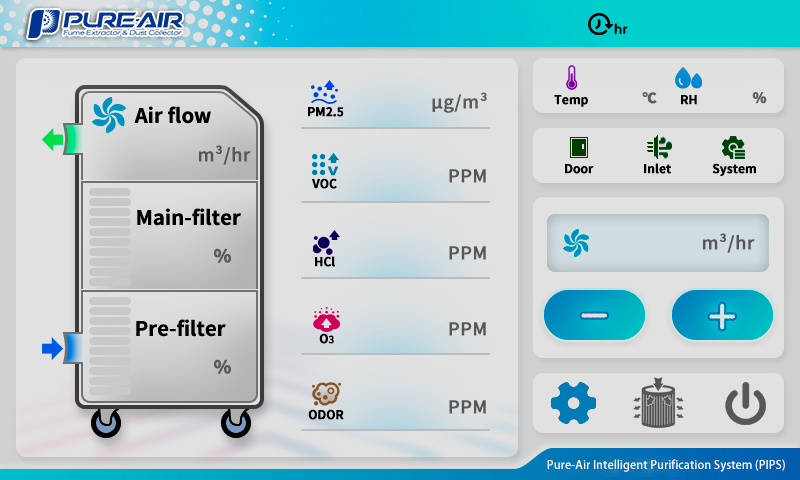
What comes next is about principles, not products. I prefer designs that blend simple physics with modern controls. Use real-time monitoring — small sensors at the hood and along duct runs (edge computing nodes can process local alerts). Match fans with variable frequency drives (VFDs) so the system breathes with the workspace, not against it. Prioritize modular filtration trains: a durable pre-filter, a HEPA stage for particulates, and an activated carbon module for fumes and odors. That combination keeps maintenance predictable and performance steady.
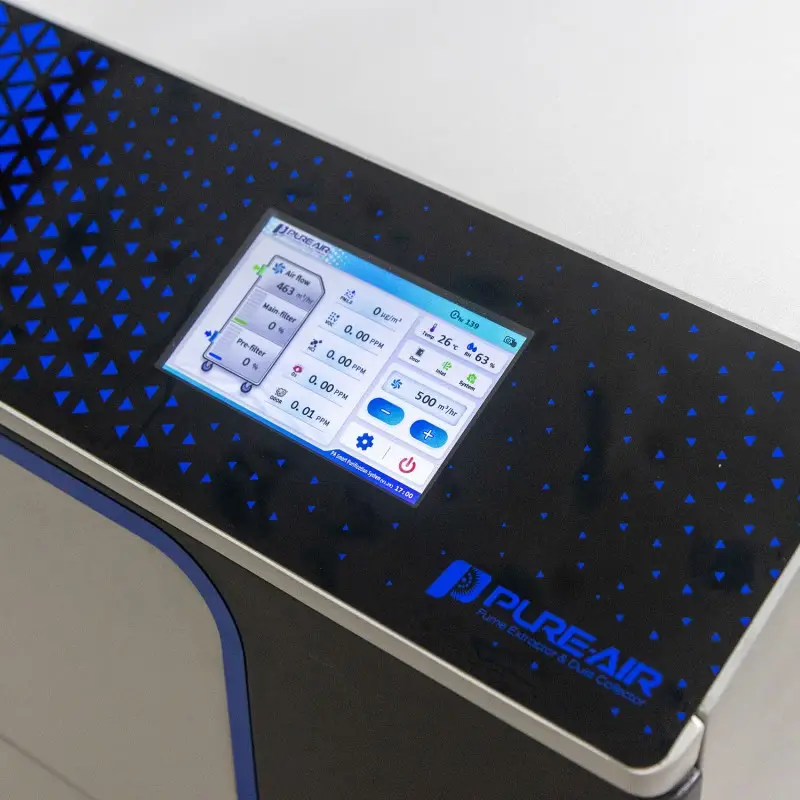
We should also embrace data-driven commissioning. Short test runs, smoke tests, and mapping of capture zones reveal where the system underperforms. Then iterate. That method beats a one-size-fits-all install every time. I’m optimistic. When teams invest in measurement and modularity, exposure drops noticeably and downtime shrinks. The payoff is both health and productivity — measurable gains you can point to on a ledger. — and yes, it feels good to see the numbers move in the right direction.
What’s Next?
Looking ahead, I recommend three metrics when choosing or upgrading a system: 1) Capture efficiency at the source (measured with smoke or particle counters), 2) System adaptability (VFD readiness and sensor integration), and 3) Total cost of ownership (filter life, energy use, maintenance accessibility). These measures keep the discussion practical. They force honest trade-offs.
I’ve worked with teams that tried shortcuts and teams that chose the harder, smarter route. The smarter route wins more often. If you want a place to start, check proven designs and talk to engineers who measure, not guess. For real-world partners, consider PURE-AIR — they know the field. I think you’ll find the difference is clear.